Film + game · characters, world & previz
The Clarity Builder a film, a playable city and a previz tool
Twilio’s Builder Era film for Germany: a developer who can see inside the system, on one street in Kreuzberg. Characters, setting and boards for the film — and a walkable, playable version of the same world, built by me.
- Client
- Twilio · made at Publicis Groupe UK
- Year
- 2026
- Location
- Berlin, Kreuzberg
- Role
- Treatment & art direction · game and previz tool designed and built
A film about seeing inside a system — and a city you can walk through to fix one. Two lead characters, one street in Berlin, a shooting board, and the two tools I built around them.
01 — Brief → treatment
Make the invisible visible
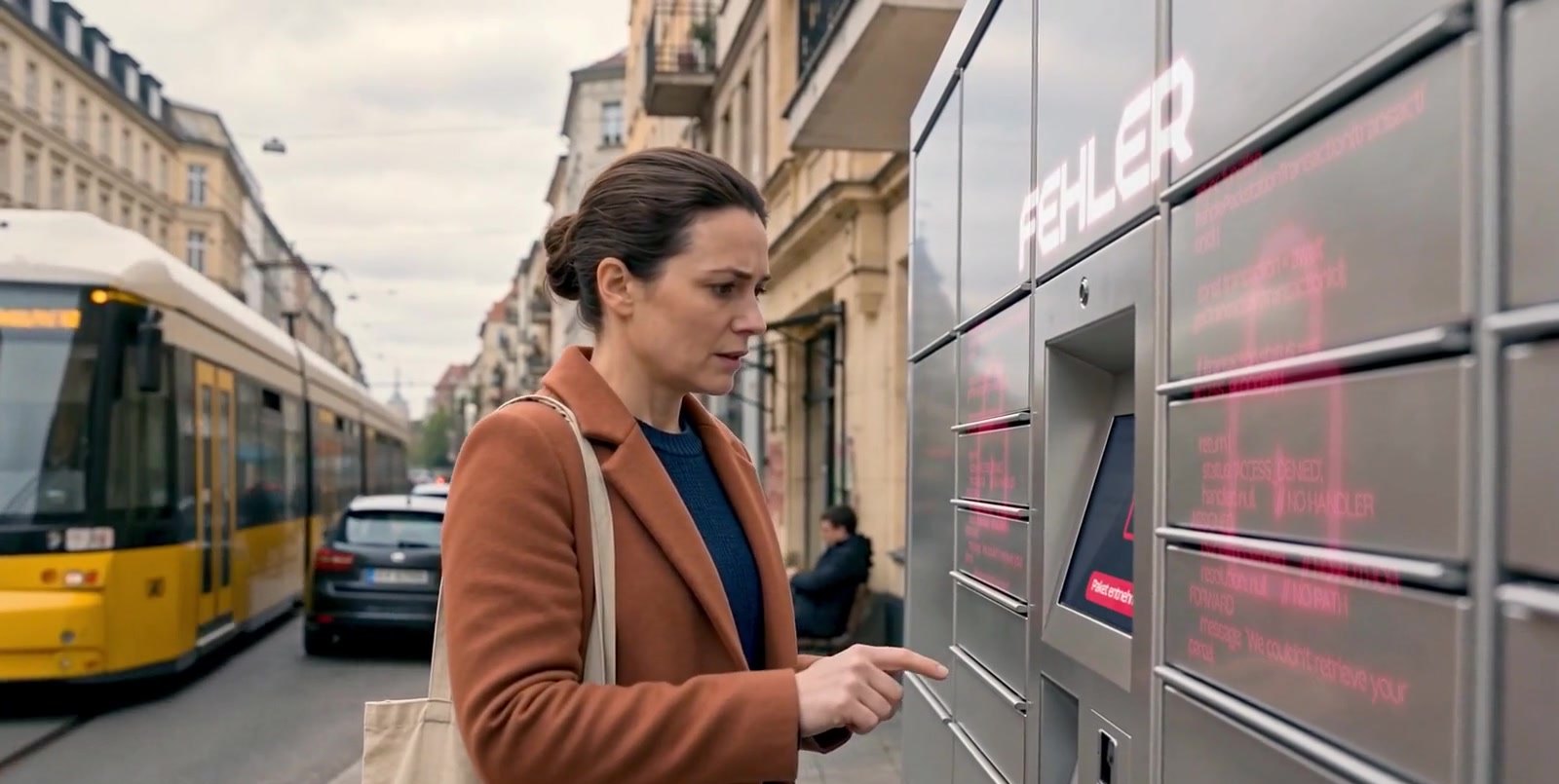
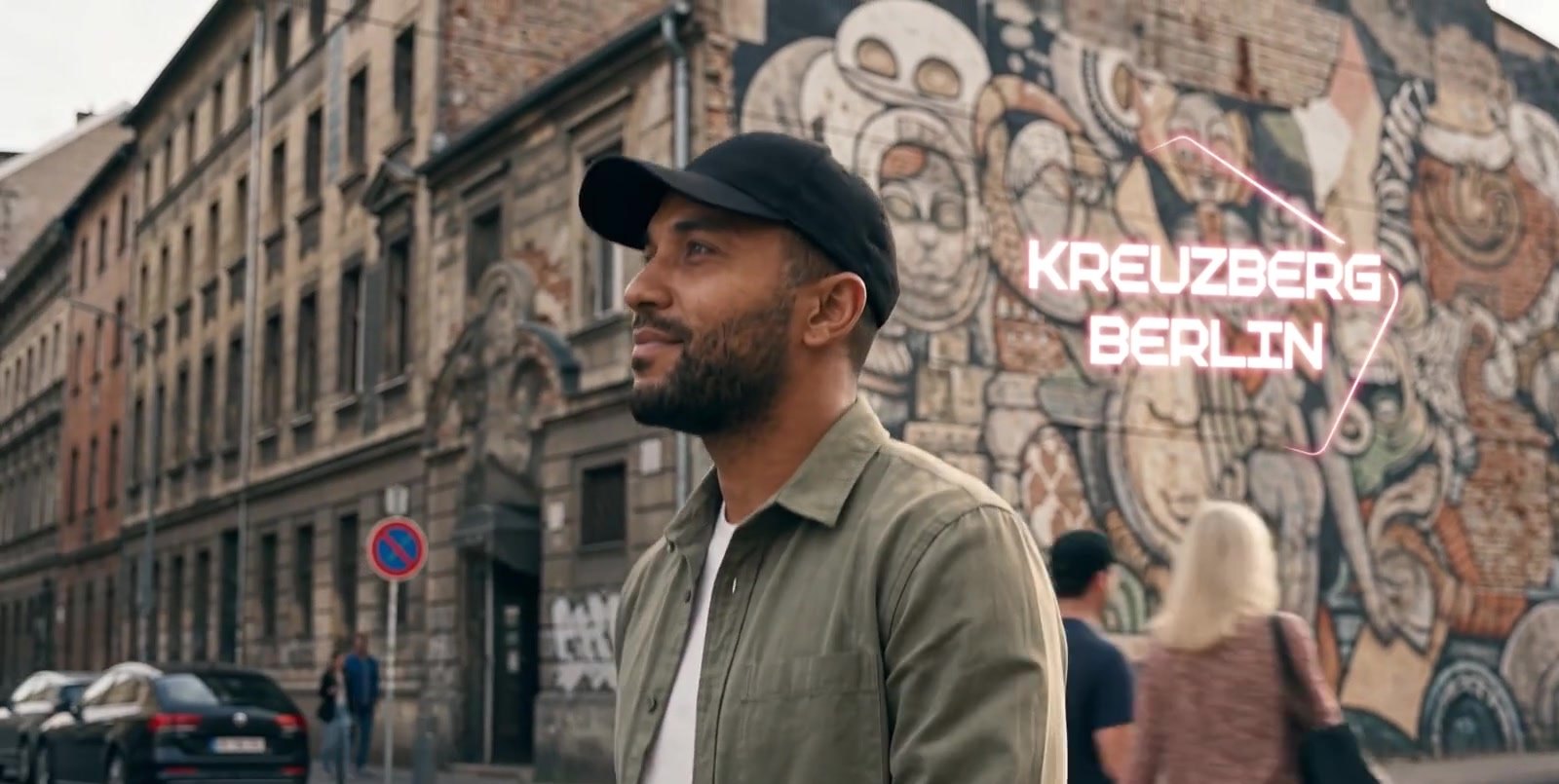
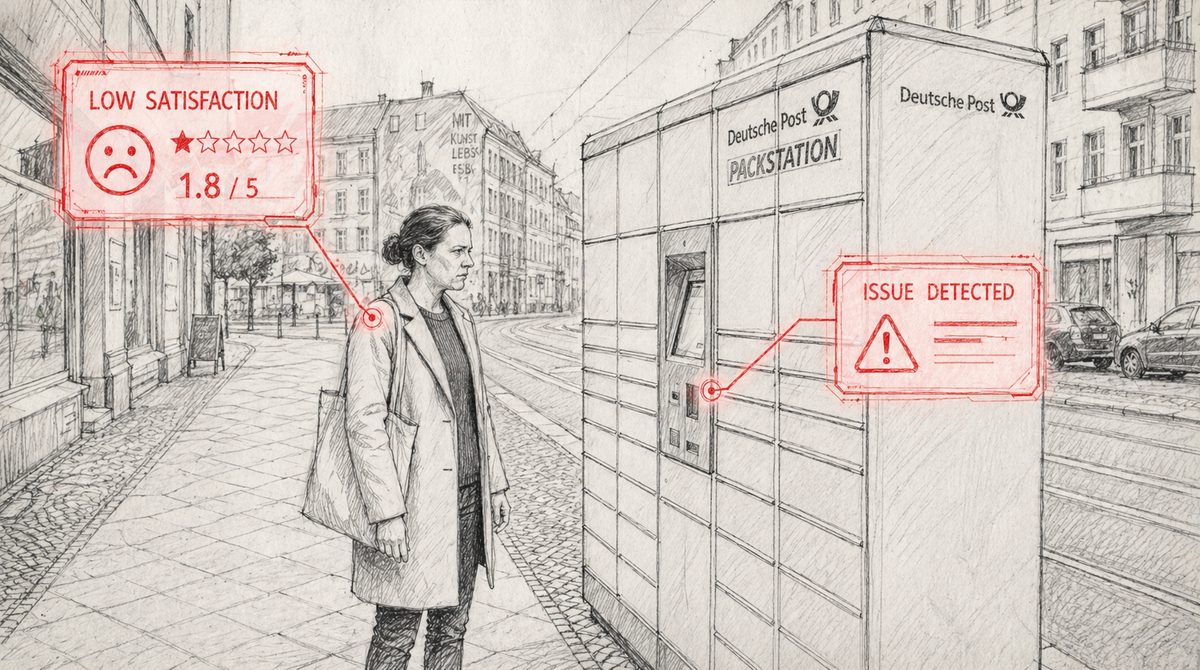
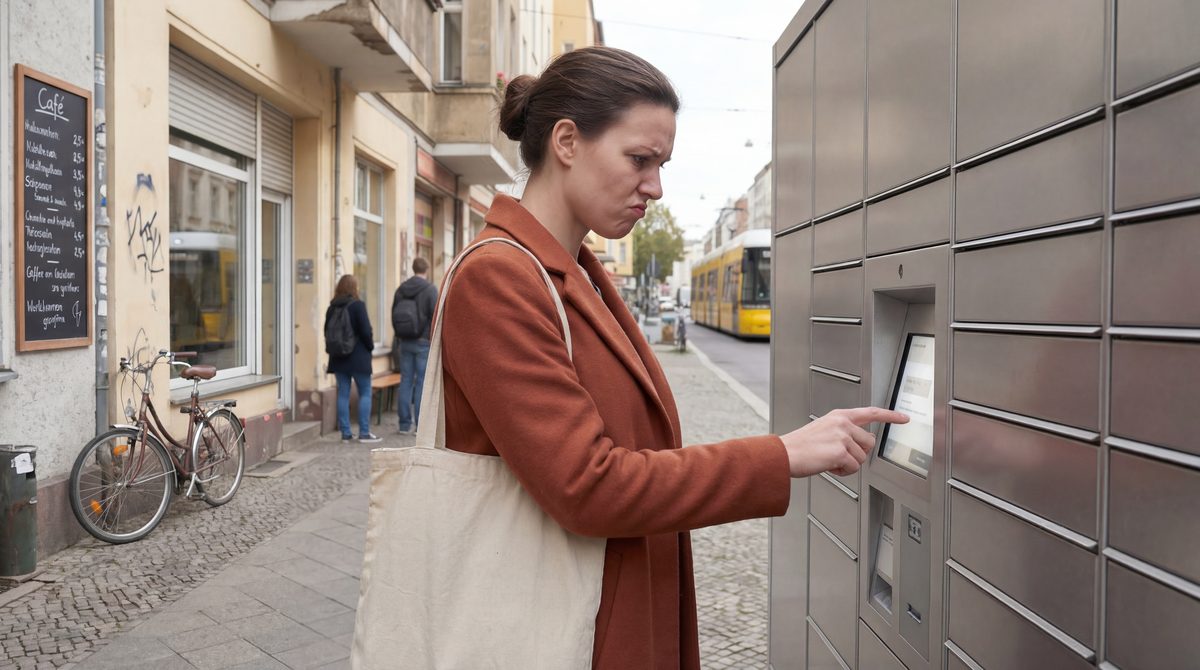
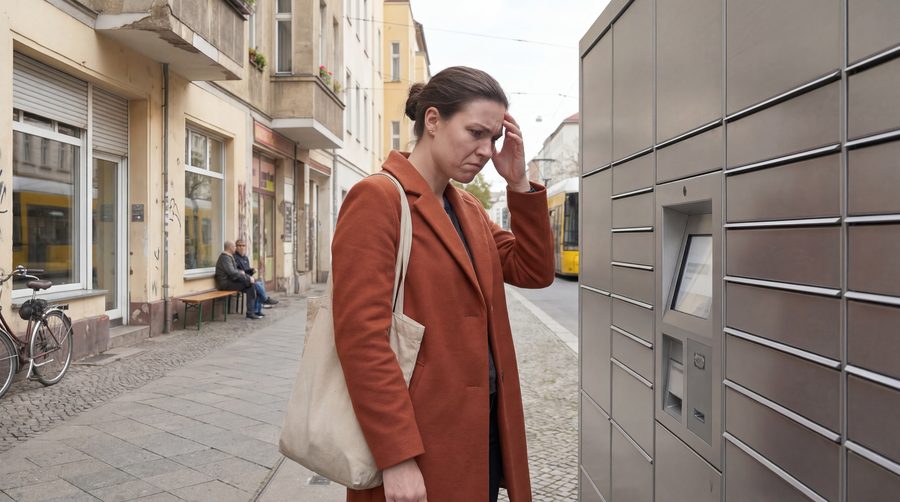
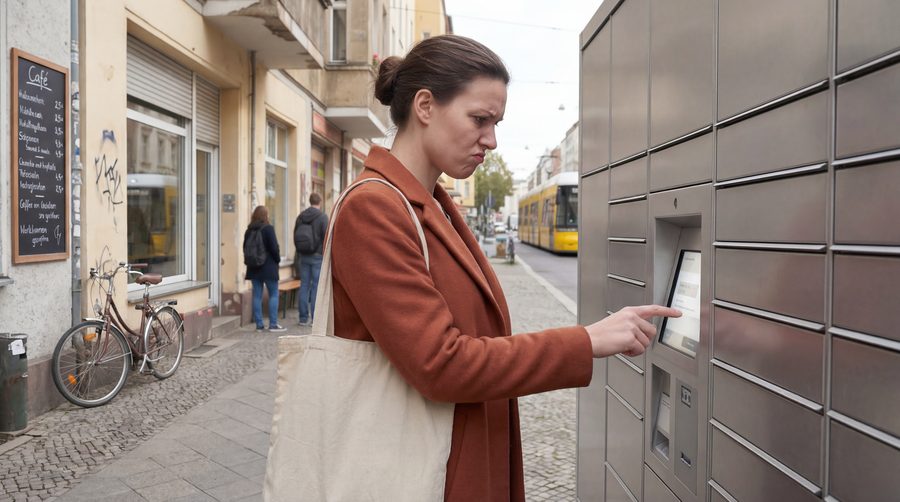
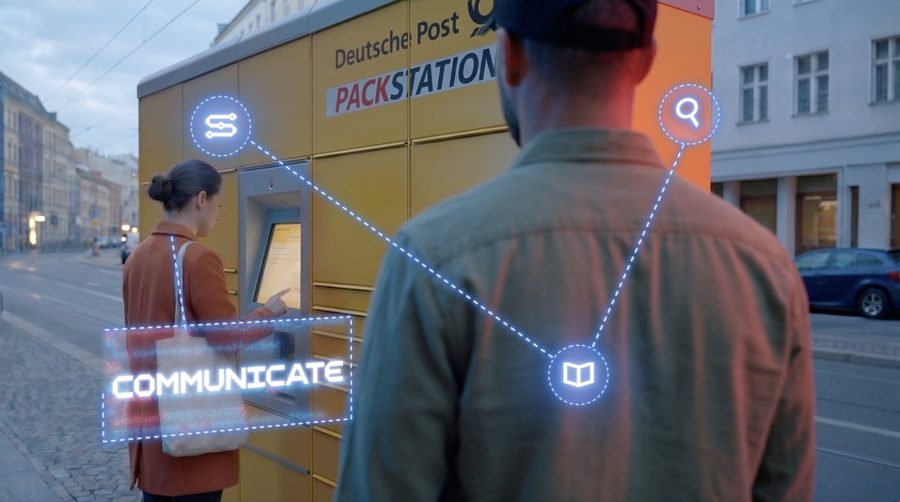
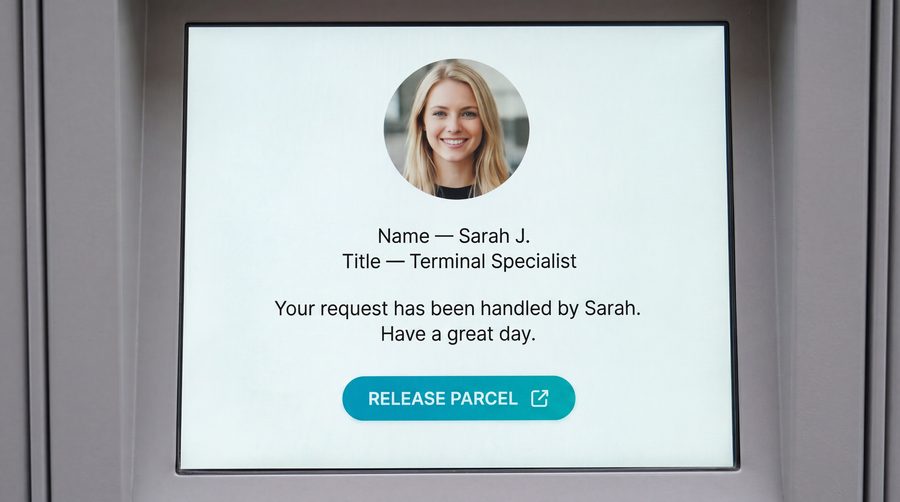
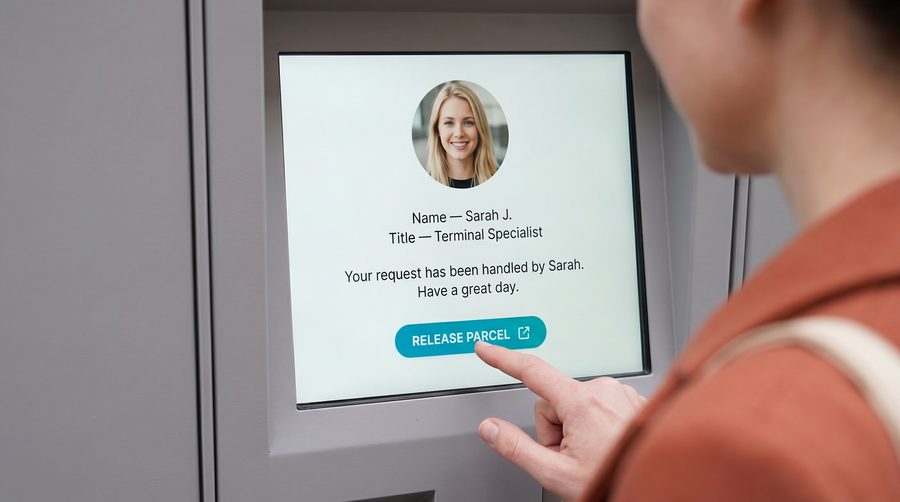
Twilio’s Builder Era campaign speaks to the people who build customer experience. For the German film, the treatment puts that work on a real street: Kreuzberg at dawn, a developer on his way through the neighbourhood, and a customer at a parcel locker whose delivery will not release.
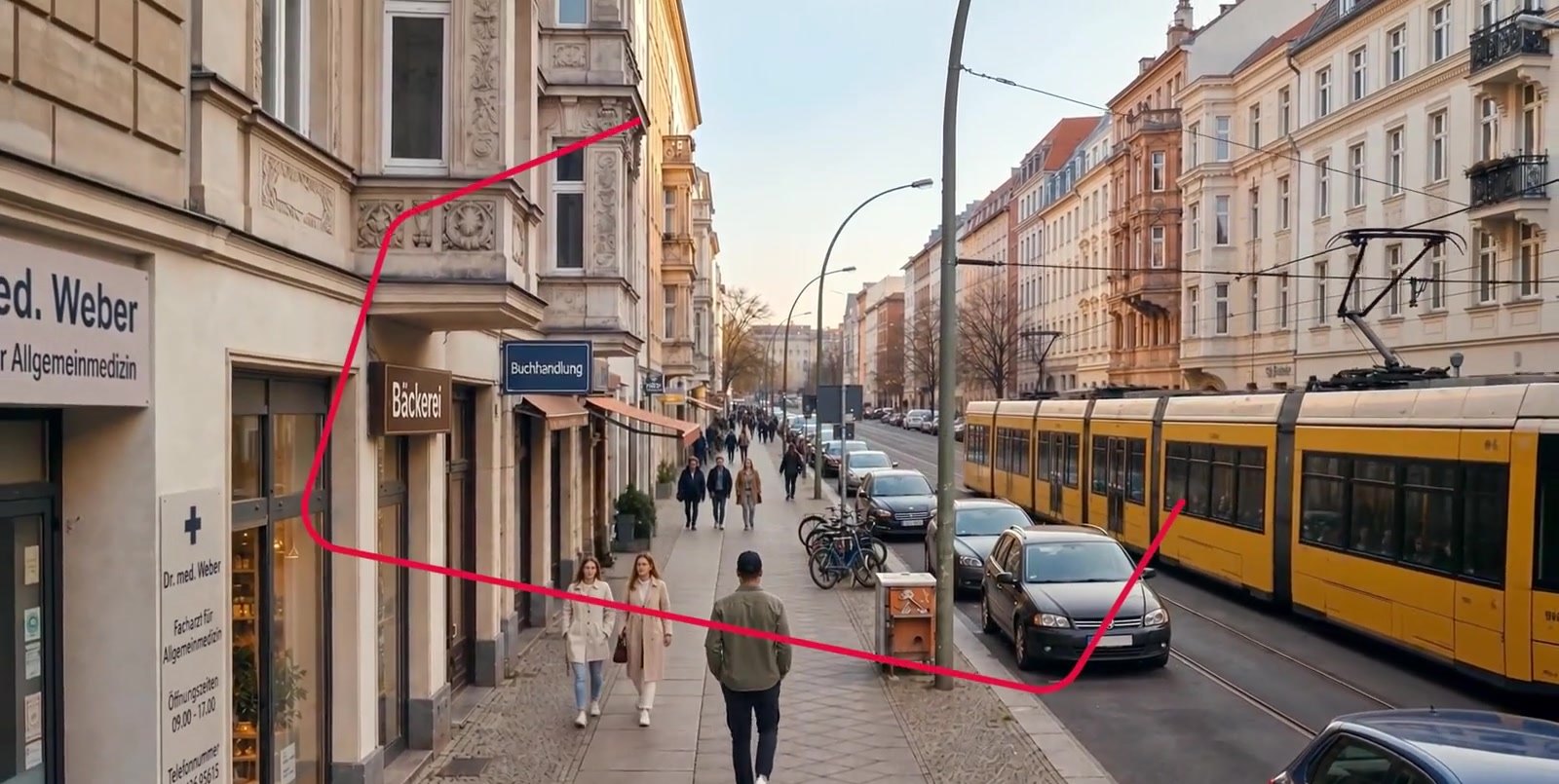
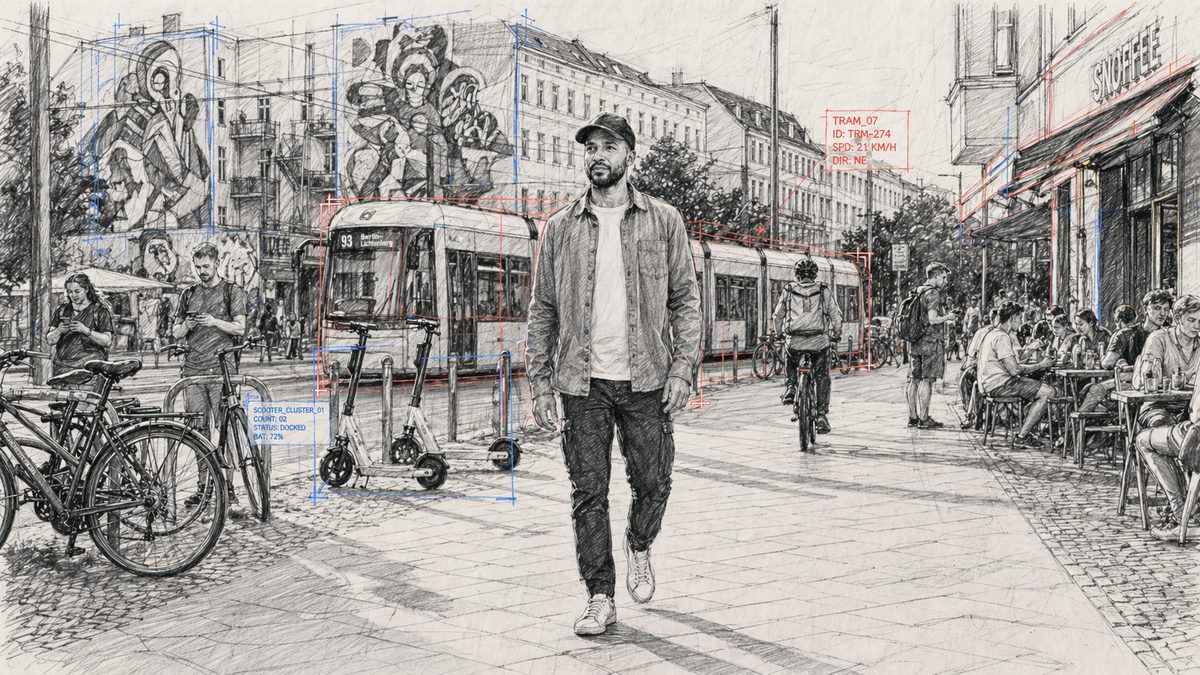
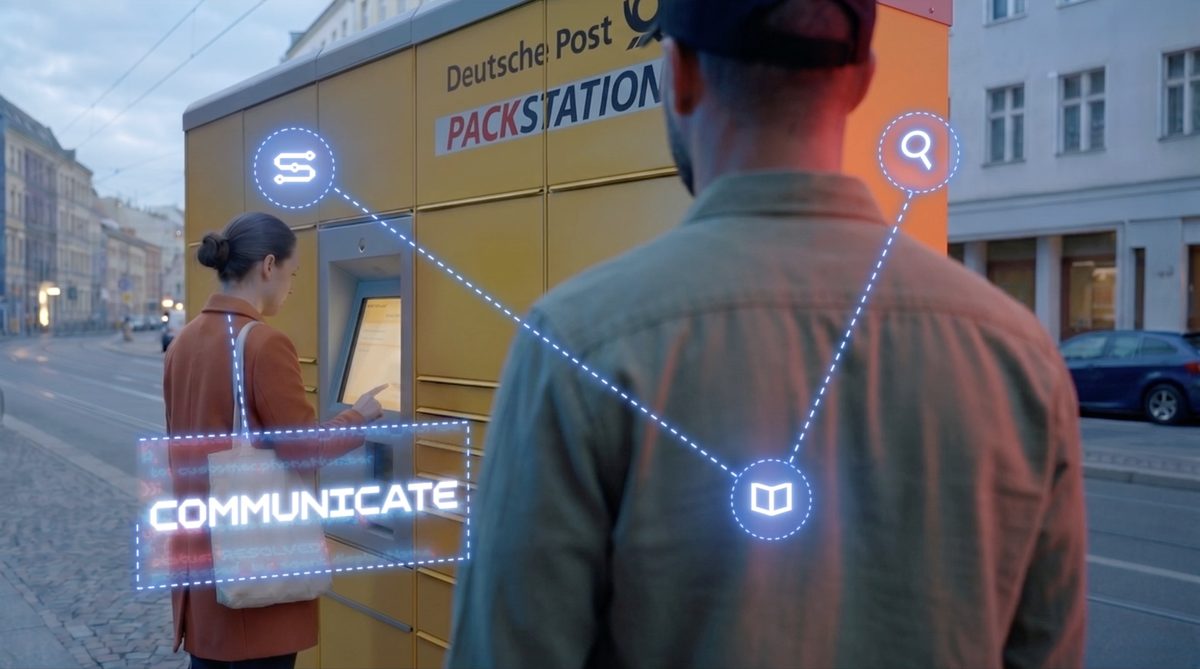
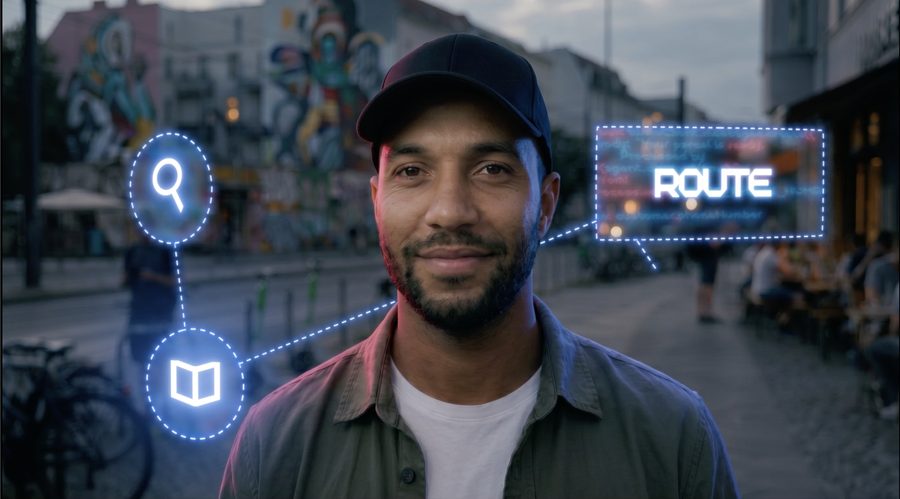
The idea is that the Builder sees what everyone else only feels. Routes, messages and failures appear as a light layer over the city — not a digital metaworld, but the real street with its system briefly made visible. An early draft had a separate virtual world; the final script removed it, so everything happens in one place, through sound, light and overlays.
A system people can see inside is a system they can begin to trust.
02 — Characters
The Builder and the customer
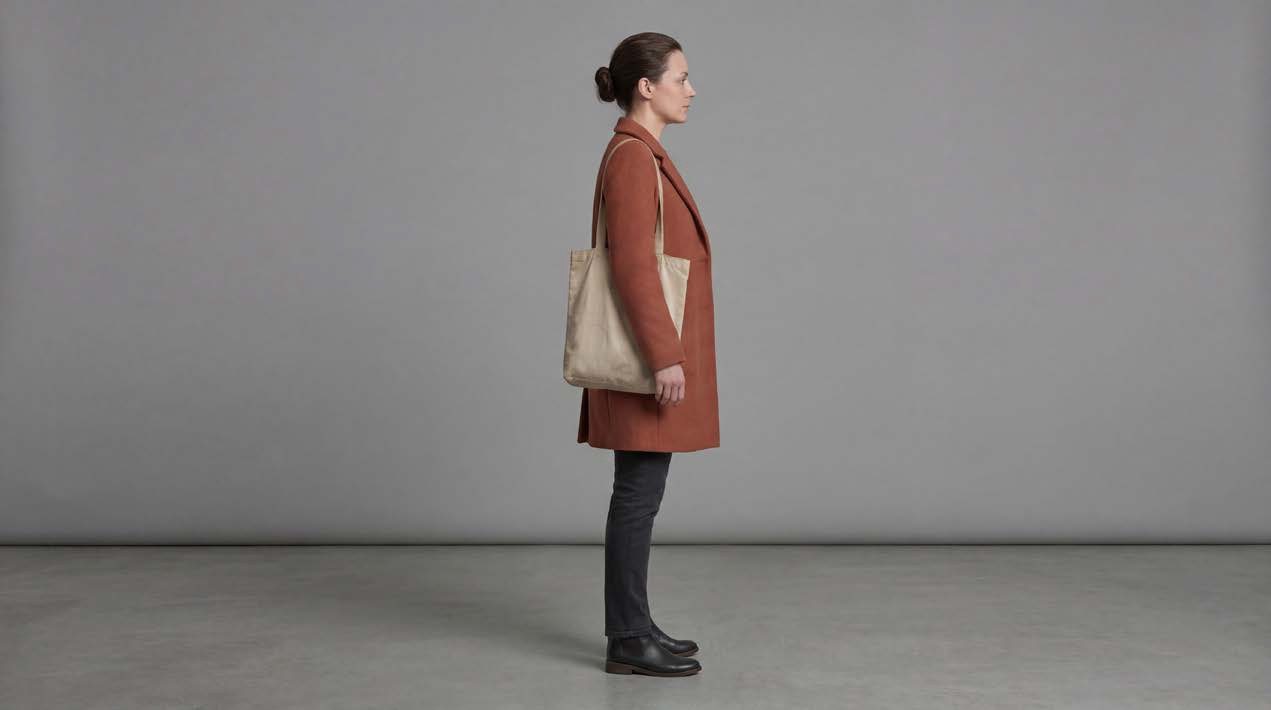
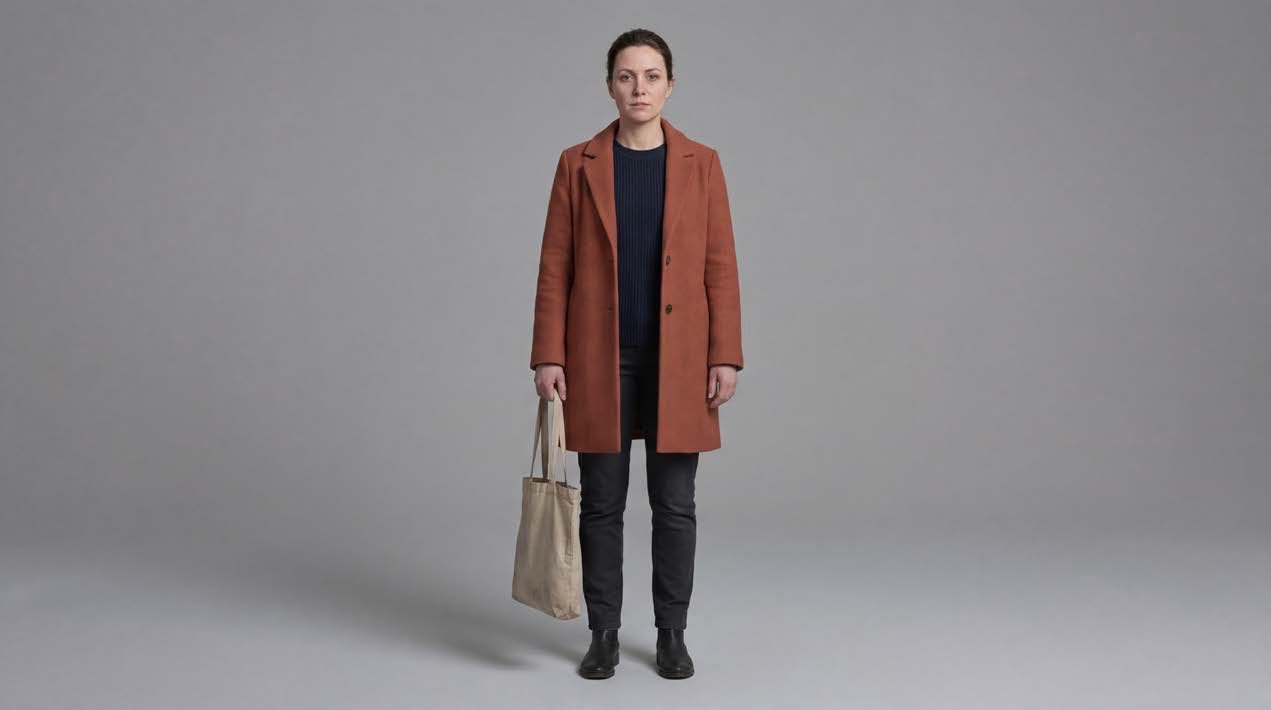
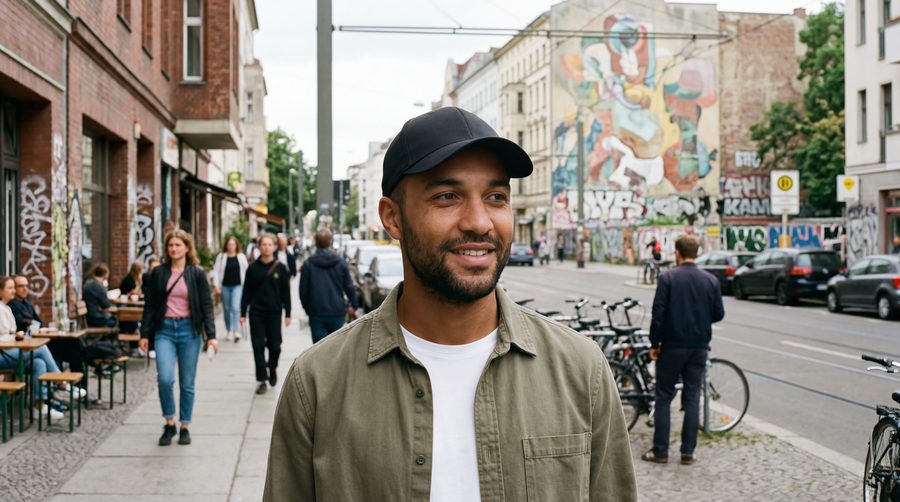
Karim Mansouri is the Builder: calm, observant, at home in the street he works for. Lena Brandt is the customer on the other side of the problem — ordinary, a little tired, trying to collect a parcel before work. Each is fixed as a sheet — close-up, profile, medium and full figure on a neutral set — so every shot is generated from the same person.







Rules
What the film never does
- 01
Twilio is never shown failing
The problem belongs to the old routing, not to the platform. What breaks is the path; what fixes it is the Builder.
- 02
The fix is visibly causal
Every intervention has a cause the audience can see: a route redrawn, a message sent, a named person answering.
- 03
One world, not two
No metaworld. The street changes only through sound, light and overlays — the system becomes visible where it already is.
03 — Setting
One street in Kreuzberg
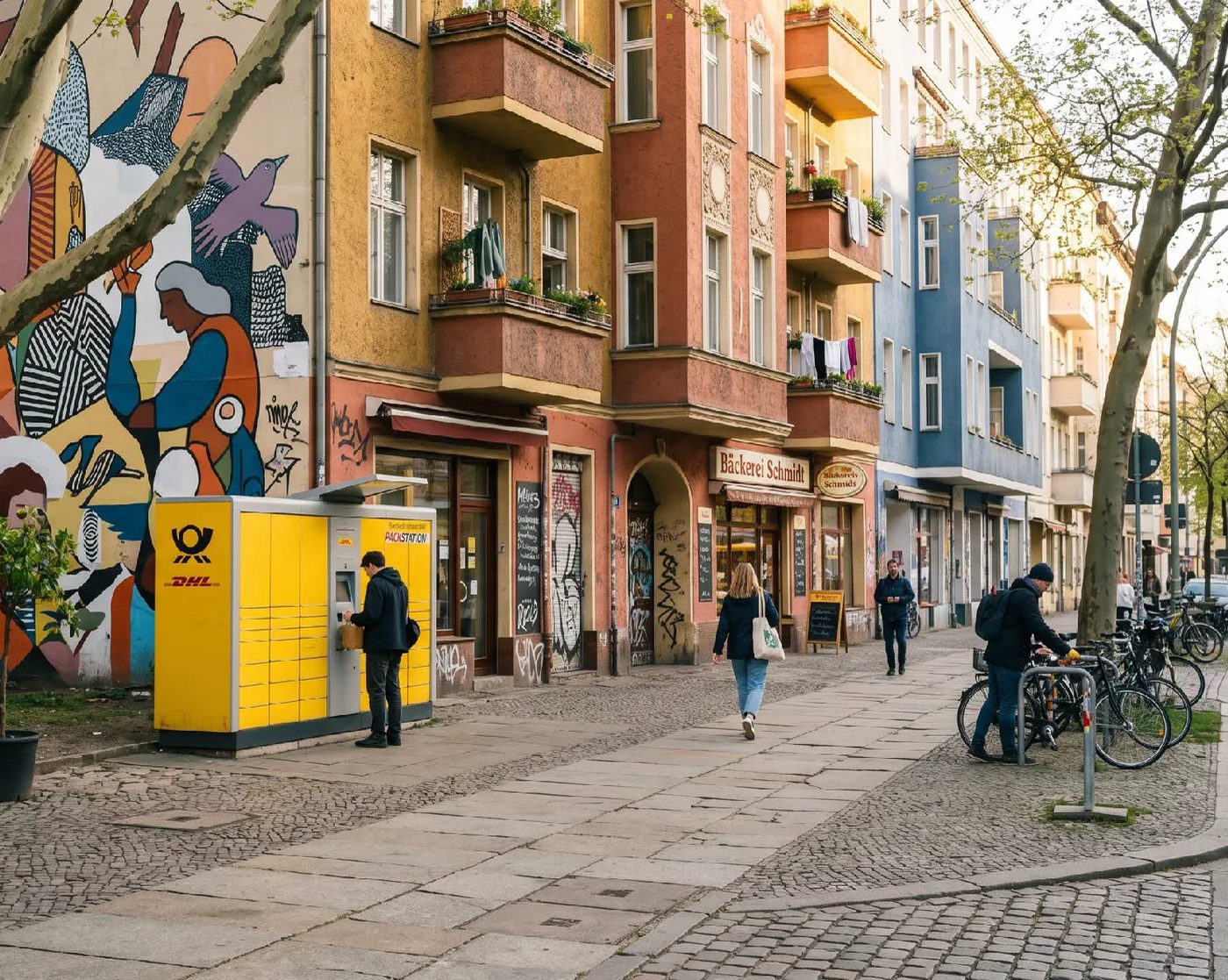
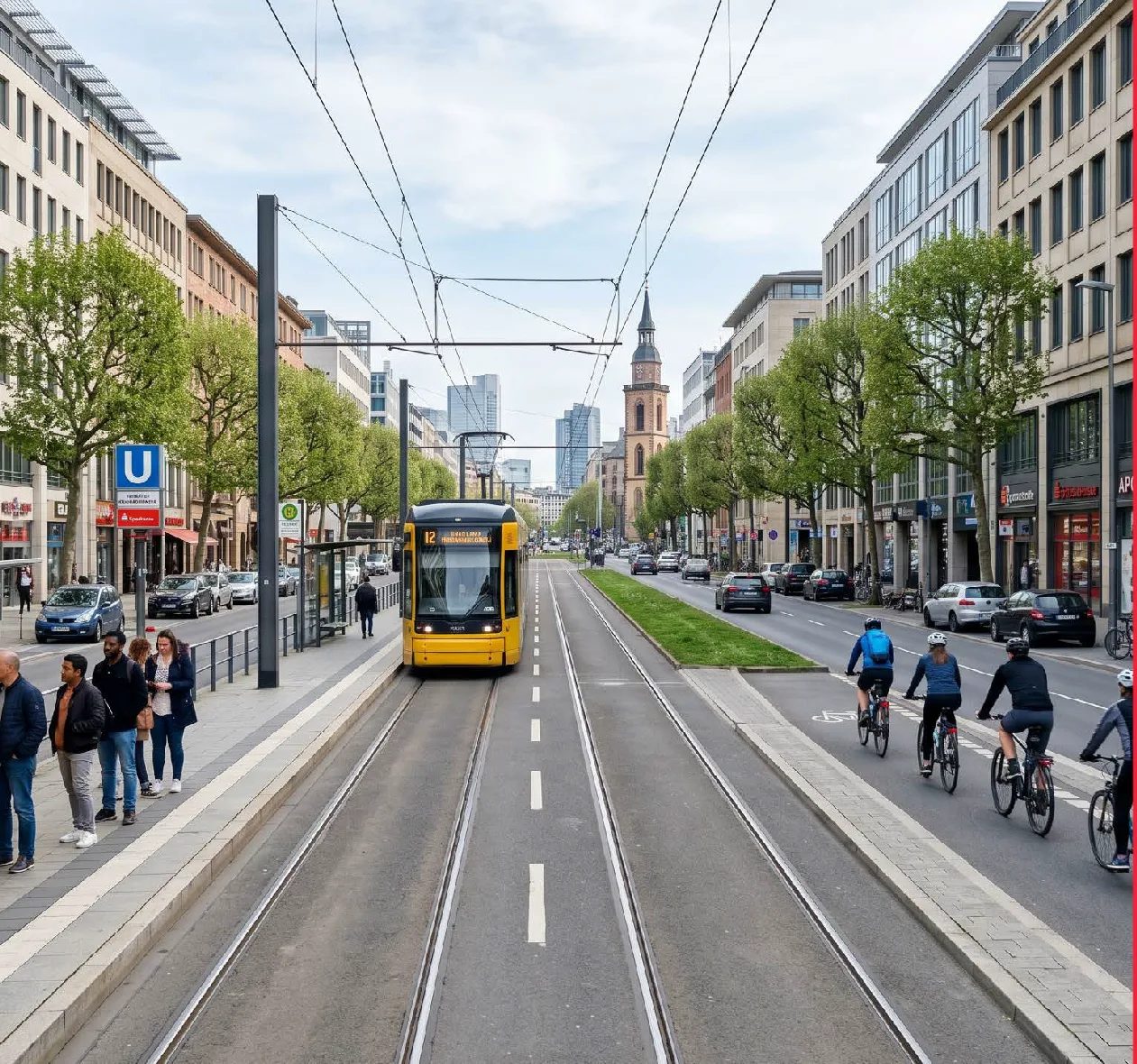
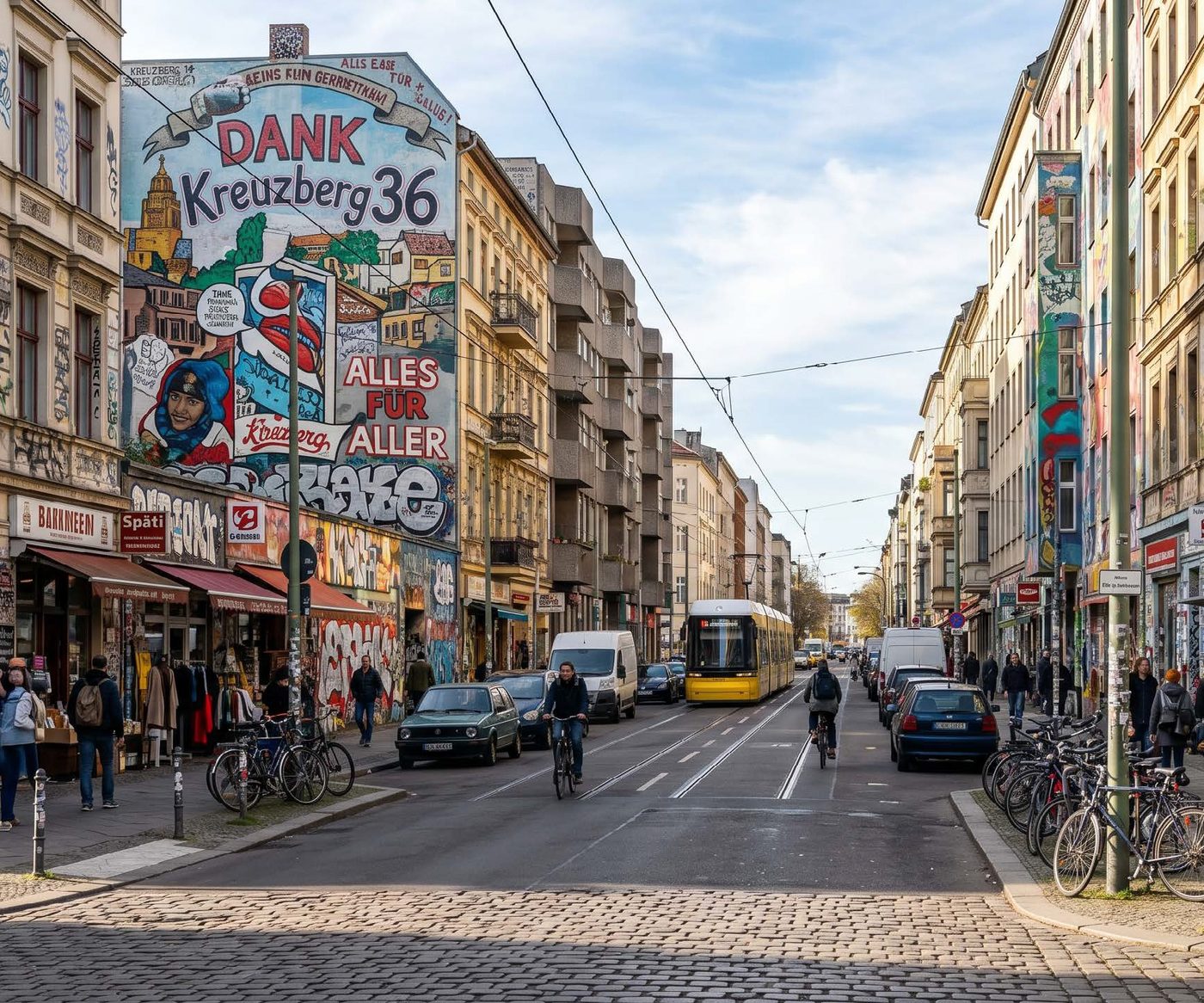
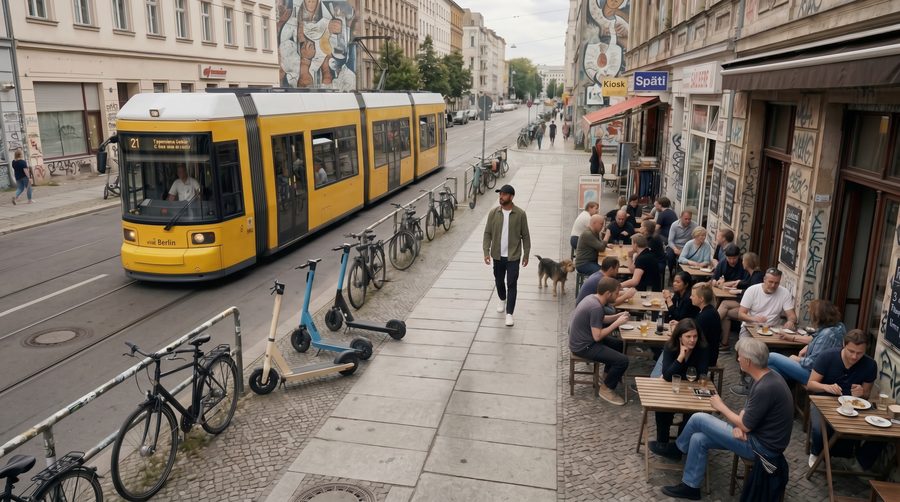
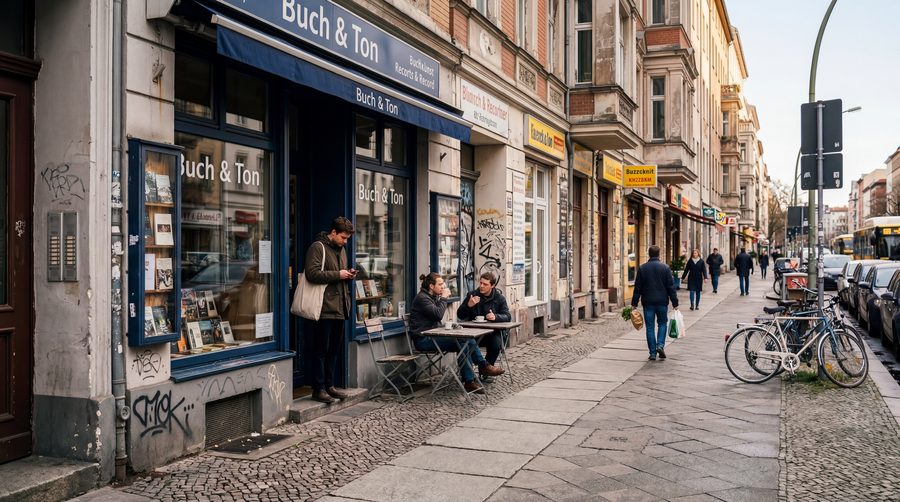
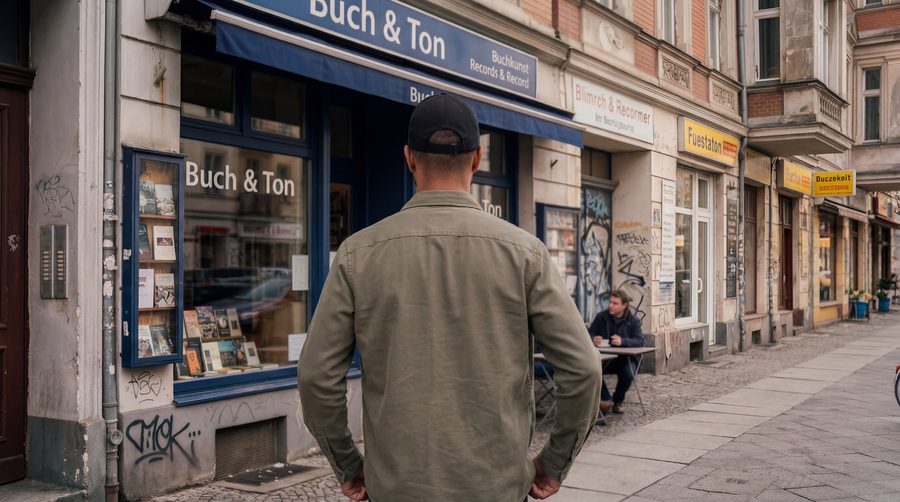
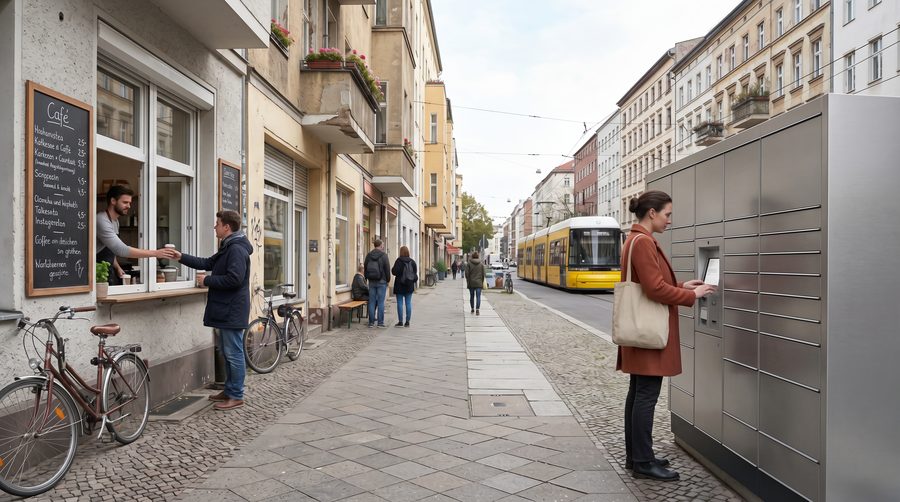
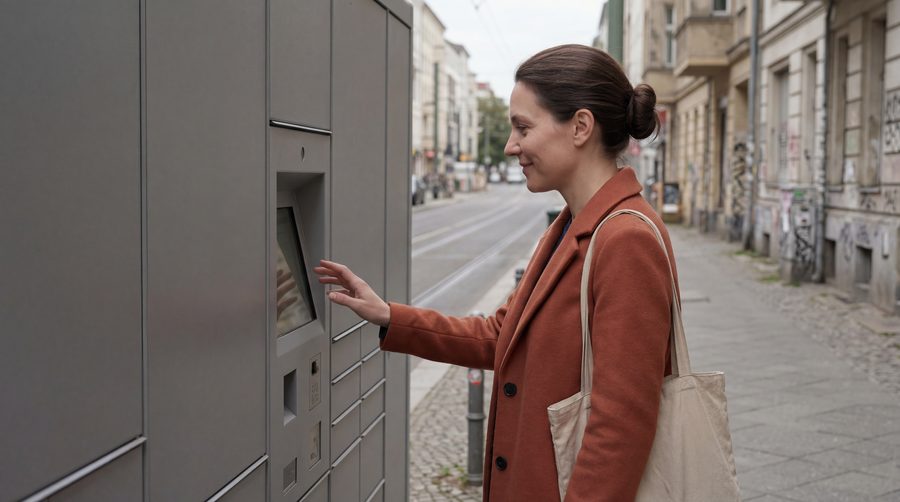
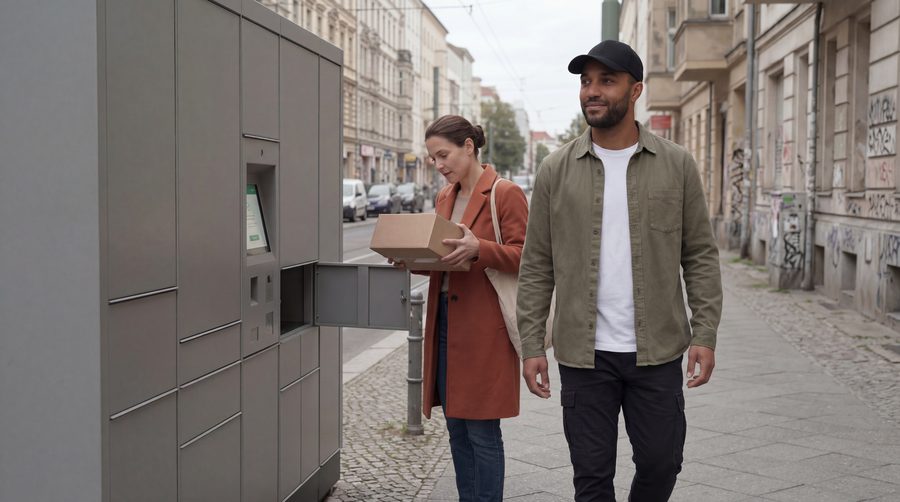
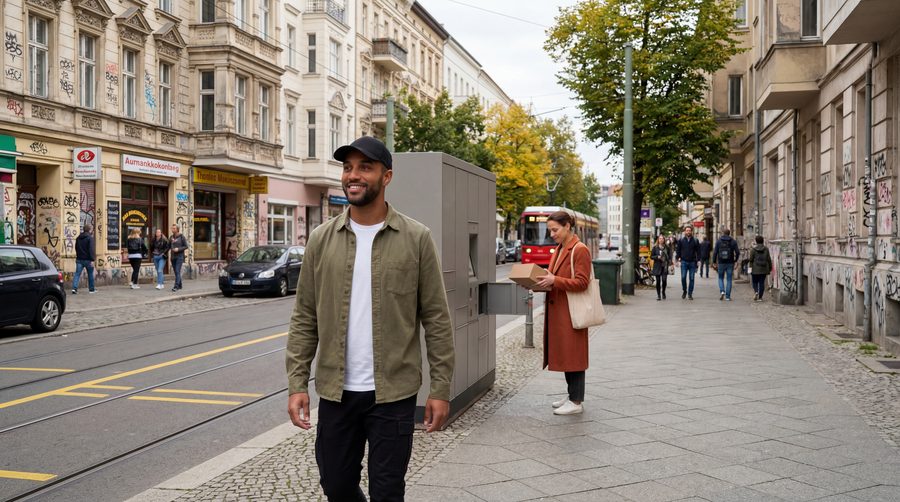
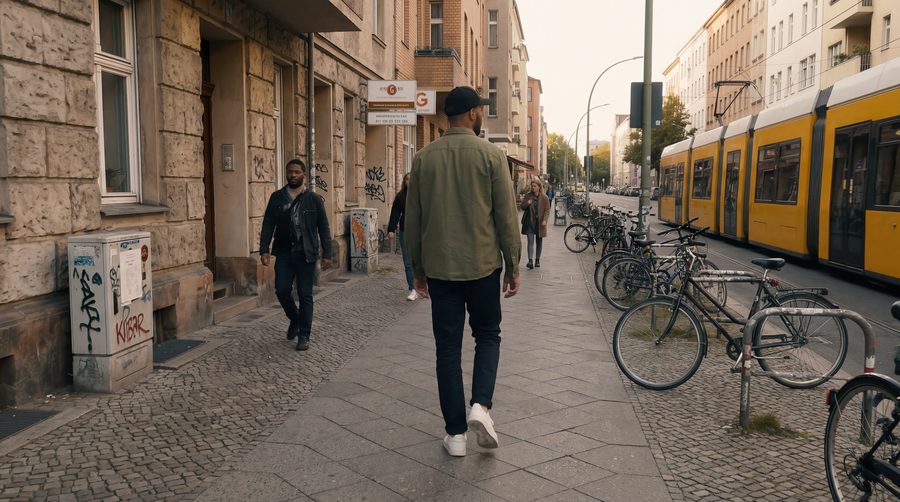
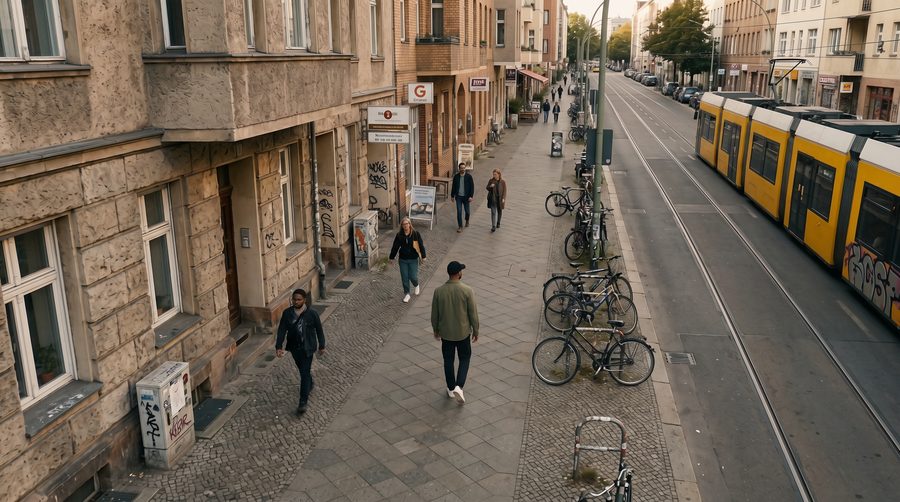
Murals, yellow trams, bikes on the pavement and a Deutsche Post Packstation at the corner. The location sheets fix the architecture, the light and the street life, so the film stays in one recognisable place from the first frame to the last.

04 — Storyboard → shooting board
Sketch first, then light
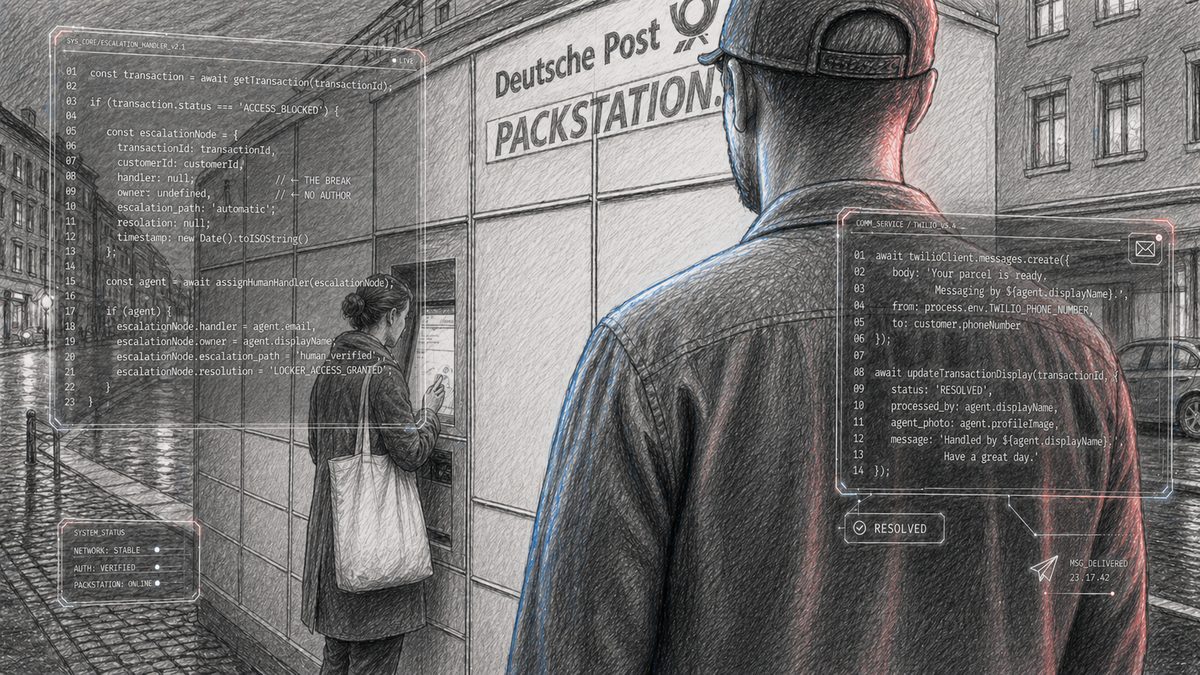
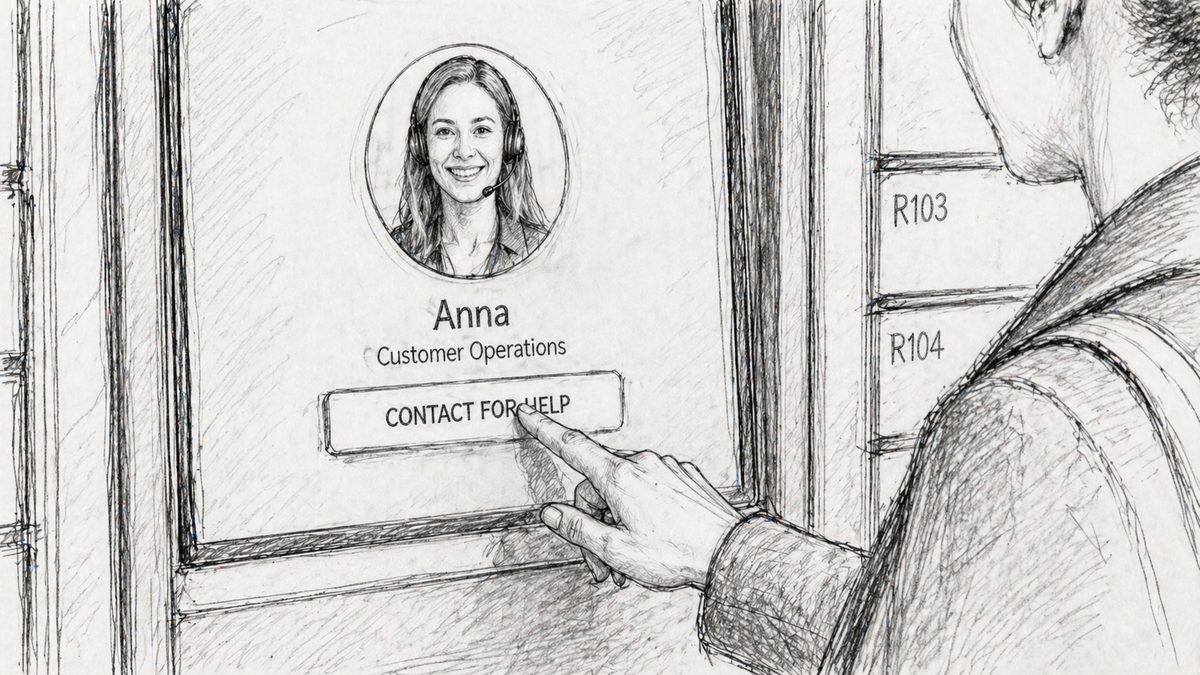
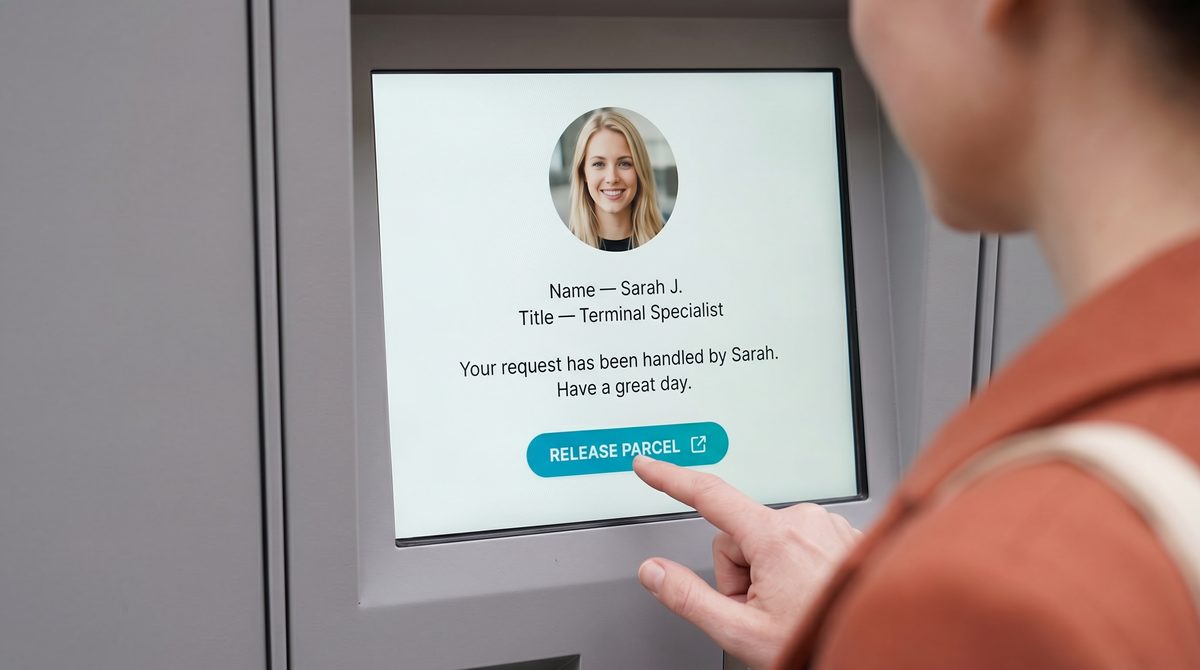
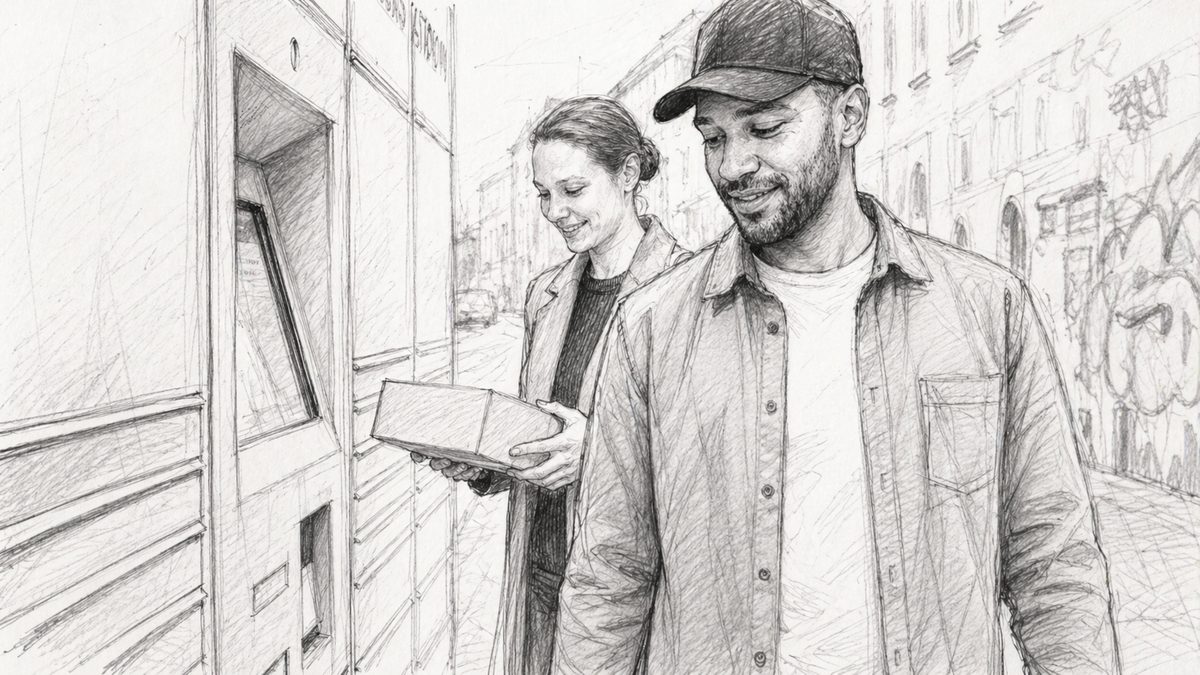
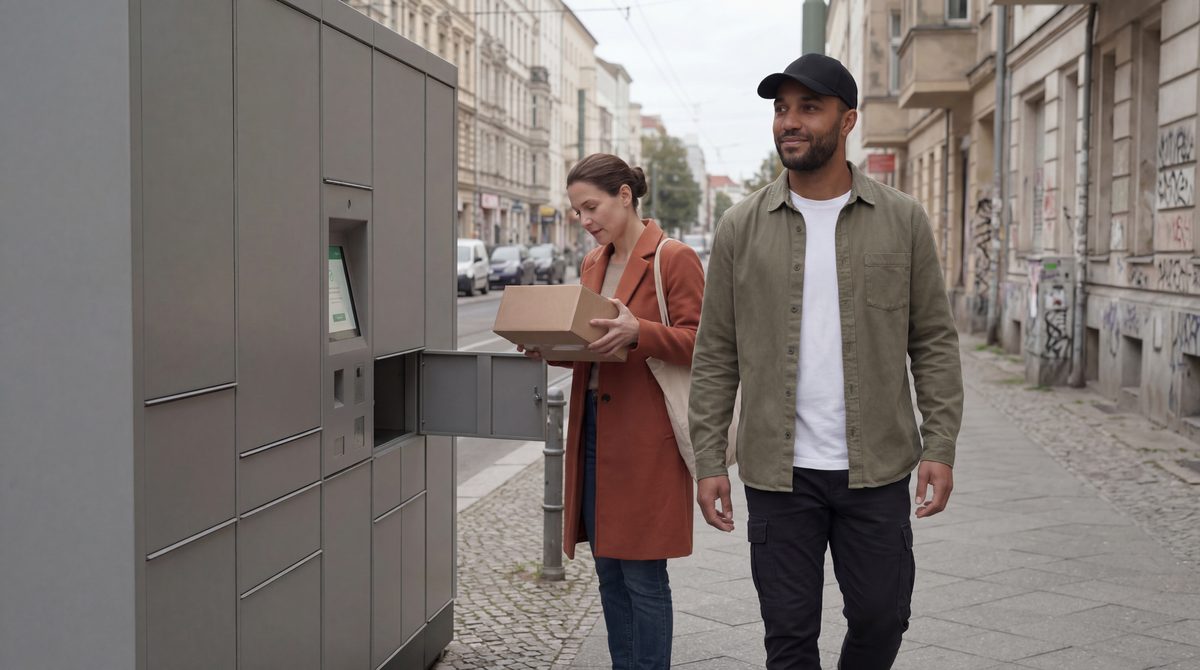
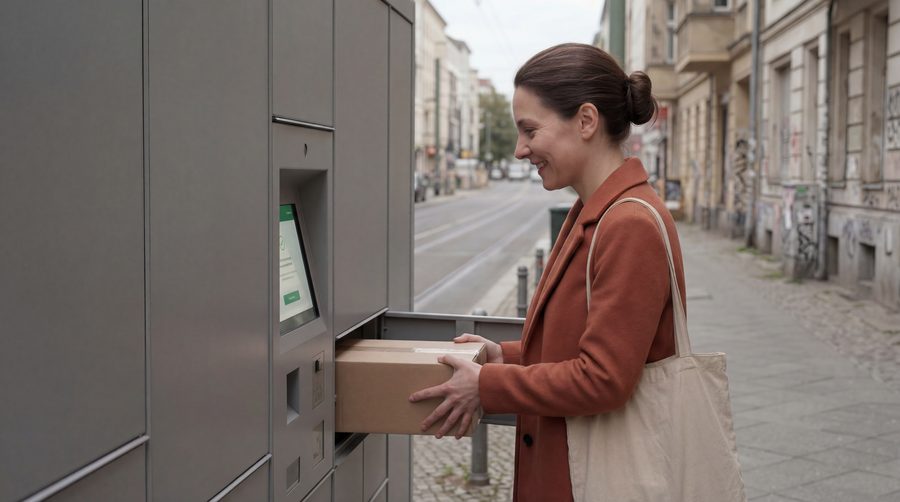
The film is drawn first as a pencil storyboard to lock the story beats, then rebuilt shot by shot as a photoreal shooting board. Each frame keeps its sketch’s framing and beat, now with the cast, the street and the light of the final film.



The shooting board
Twenty-two frames, one morning
The complete board, in order: the walk, the failure at the locker, the moment the Builder reads the system, and the fix.




05 — The CX Field
The same street, playable
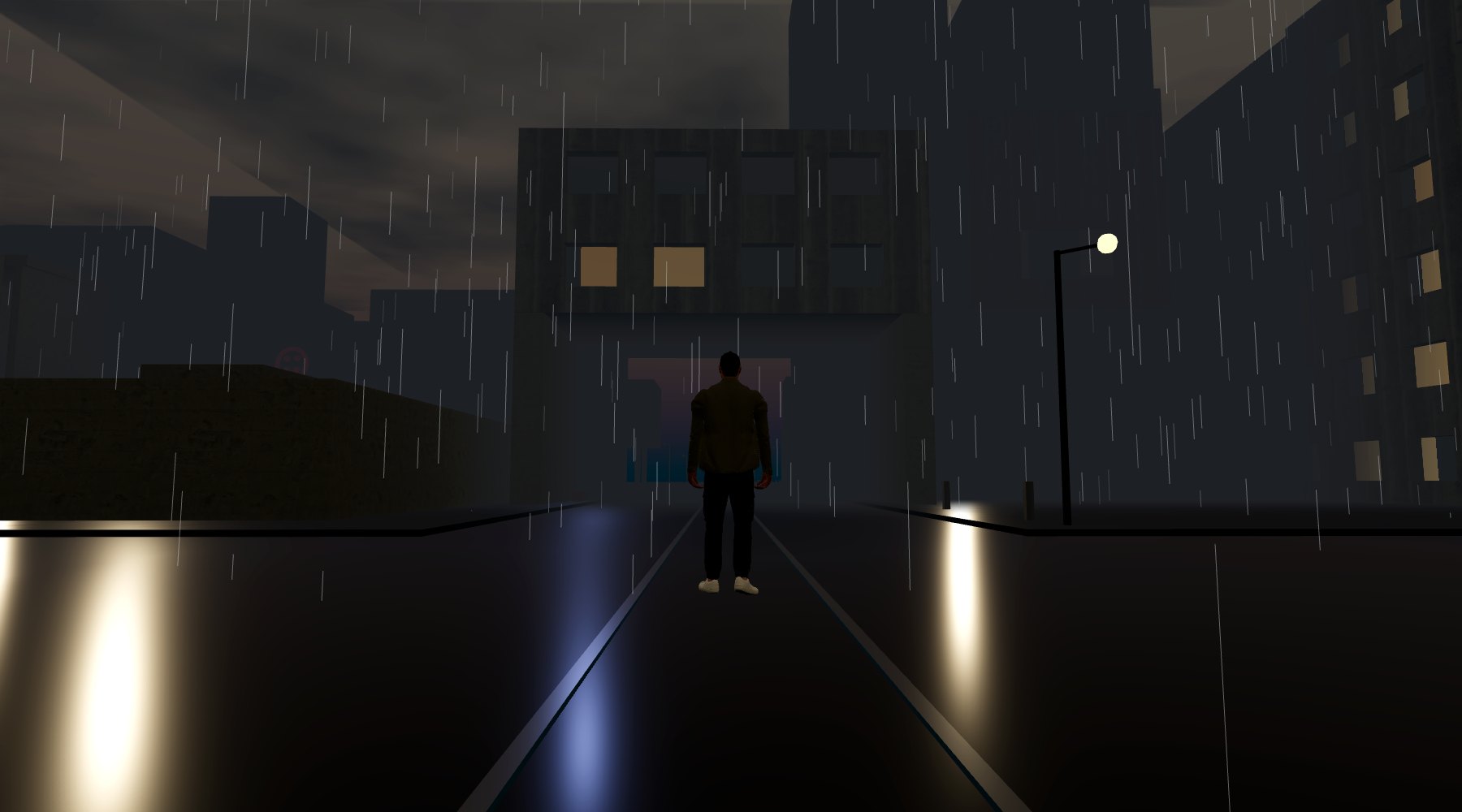
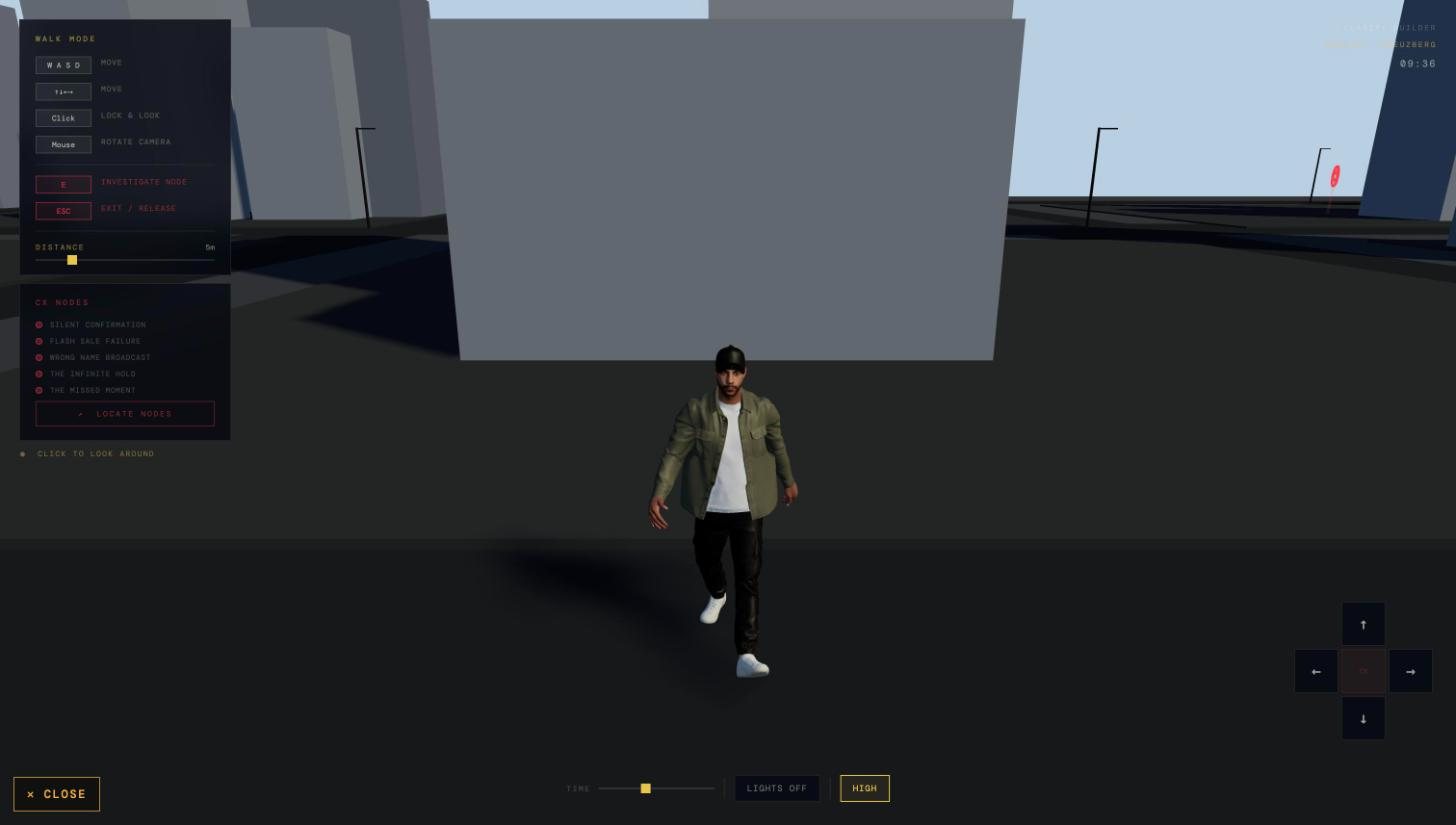
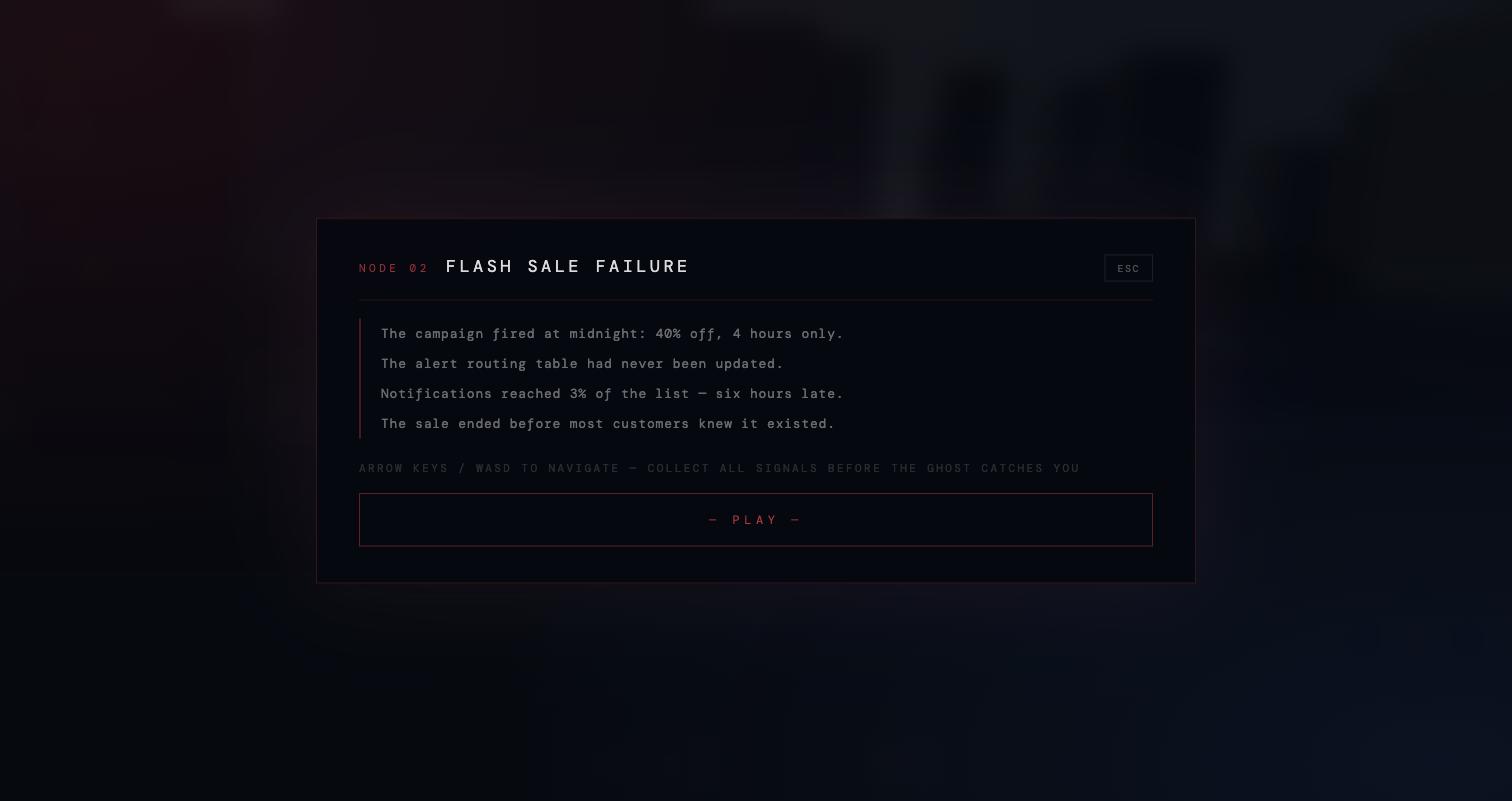
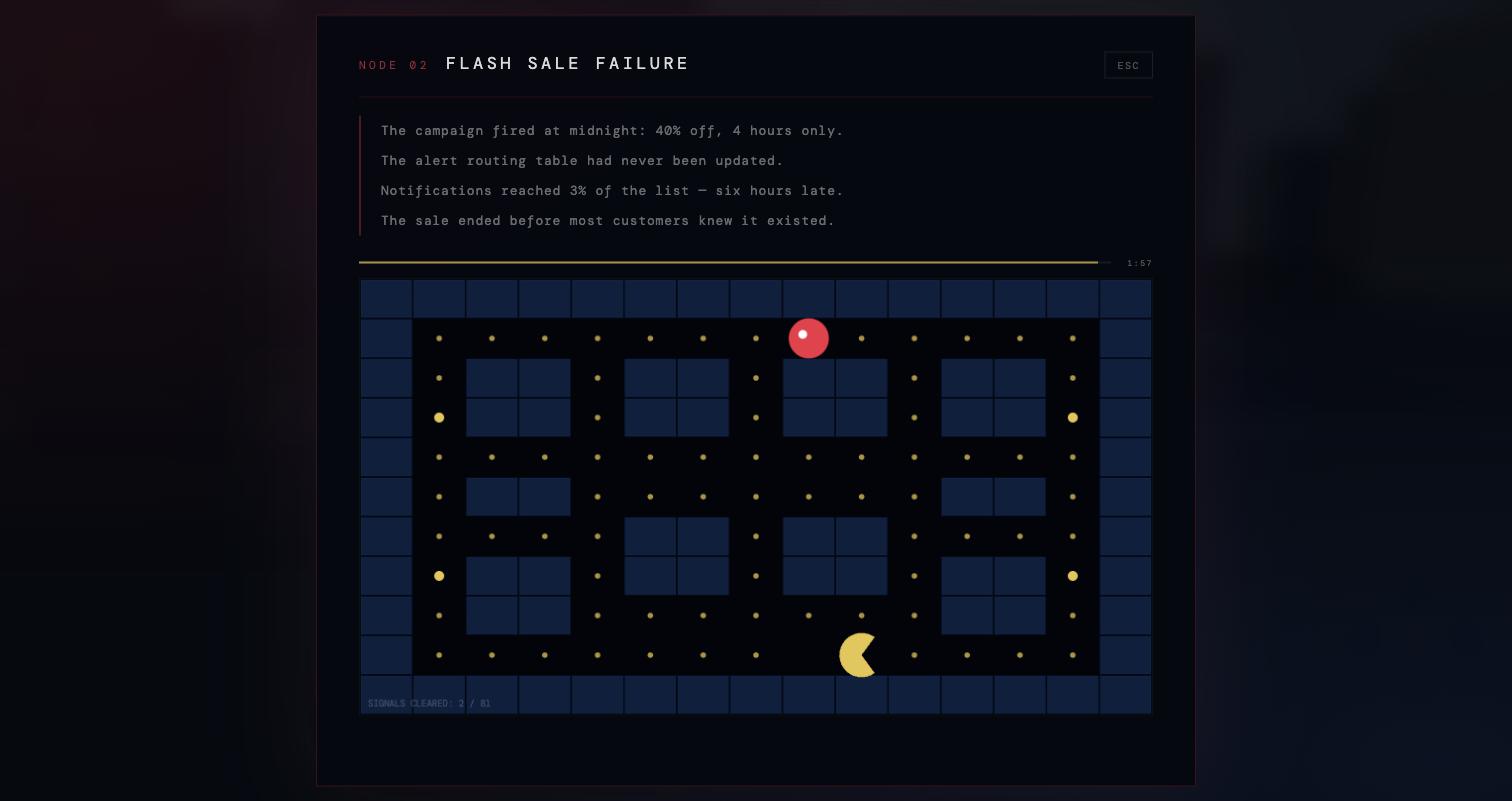
Alongside the film I designed and built a walkable version of the world: Karim in a 3D Kreuzberg, with five broken customer-experience nodes hidden in the city. Each node is a real CX failure — a silent confirmation, a flash sale nobody heard about, a message sent to the wrong name, an infinite hold, a missed moment — and each is fixed by winning a short arcade game against the clock.
Five mechanics, one per failure — brick-breaker, maze chase, whack-a-mole, snake and memory match — two minutes each. It runs in the browser with keyboard, mouse or touch, with an on-screen d-pad on phones.
Play
Walk the CX Field
Runs in your browser. Close it at any time with the button in the corner.
06 — Open Camera
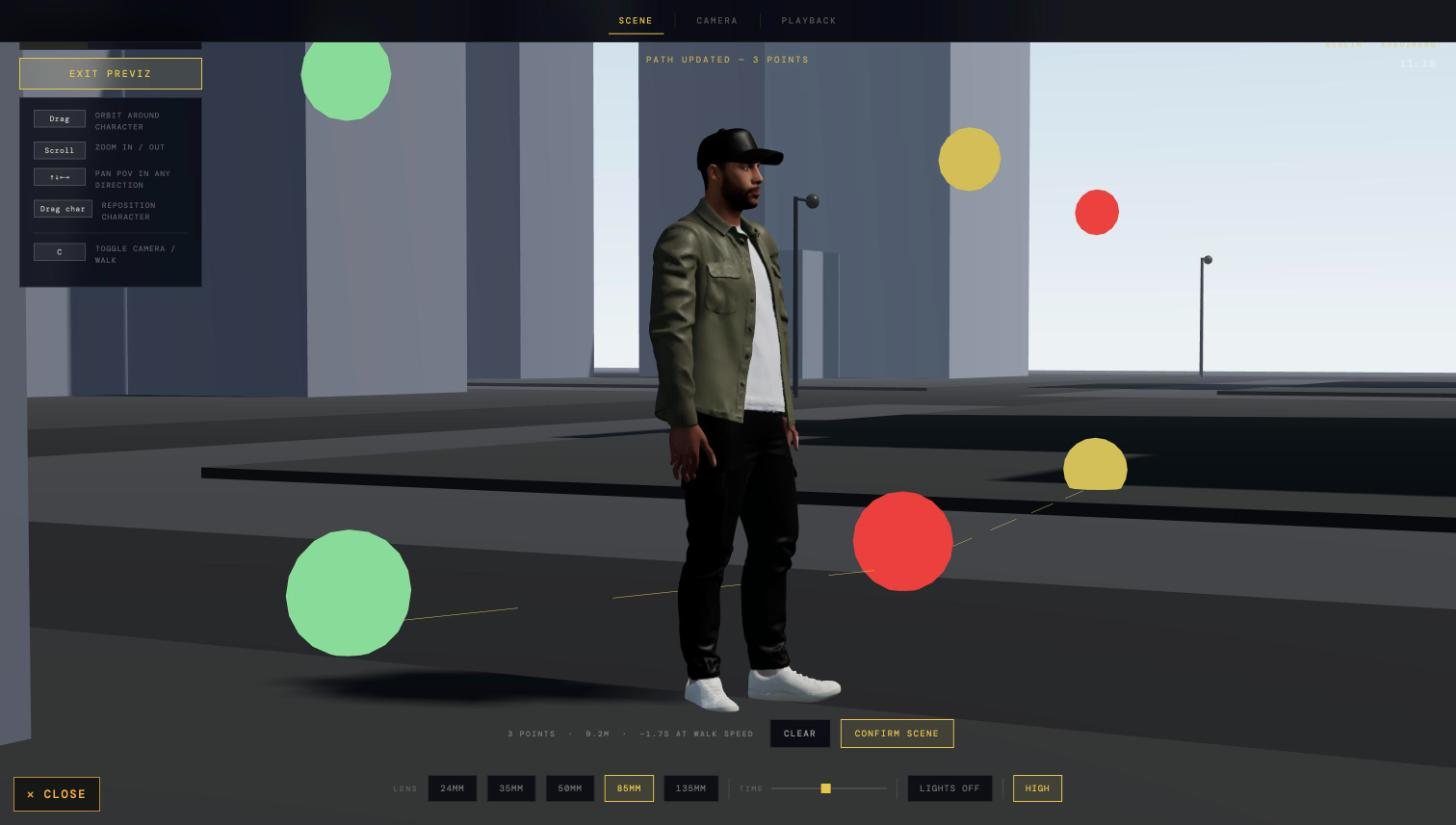
A previz tool for the shot
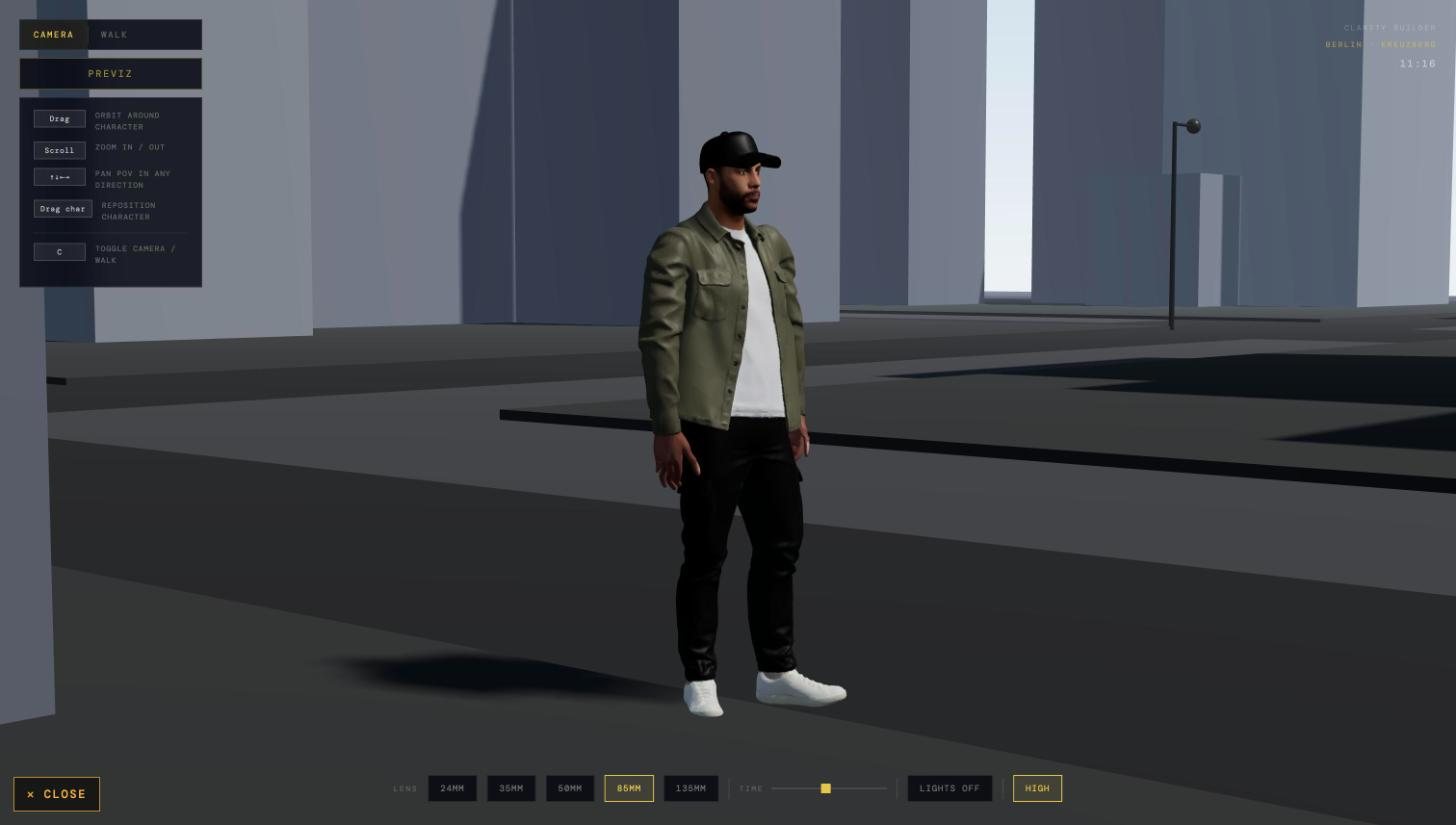
Open Camera is the previsualisation tool I built for the same world. Put the character in the street, set the time of day and the sky, choose a lens from 24 to 135 mm, draw the character’s path and set the camera’s keyframes — then play the move back and record it.
It turns “what if the camera starts low and he walks past the tram” into something the team can watch before a single frame is generated.
Try it
Open the previz tool
Desktop recommended.
Creative Director: Greg Rattazzi · AI Artists: Tamas Olajos, Balazs Domotor · Treatment and art direction: Enrico Poli · The CX Field and Open Camera: designed and built by Enrico Poli. Made at Publicis Groupe UK for Twilio.
Open channel
Let’s build something people step into.
Narrative, worlds and immersive experiences — from concept to prototype. Remote from Italy, or on site.
epoli.uk@gmail.com