Film · characters, worlds & frames
Father’s Day from brief to style frames
A 90-second film across 35 years of a father and a daughter. This is the part I owned: turning a brief into characters, places and frames that hold together across a lifetime.
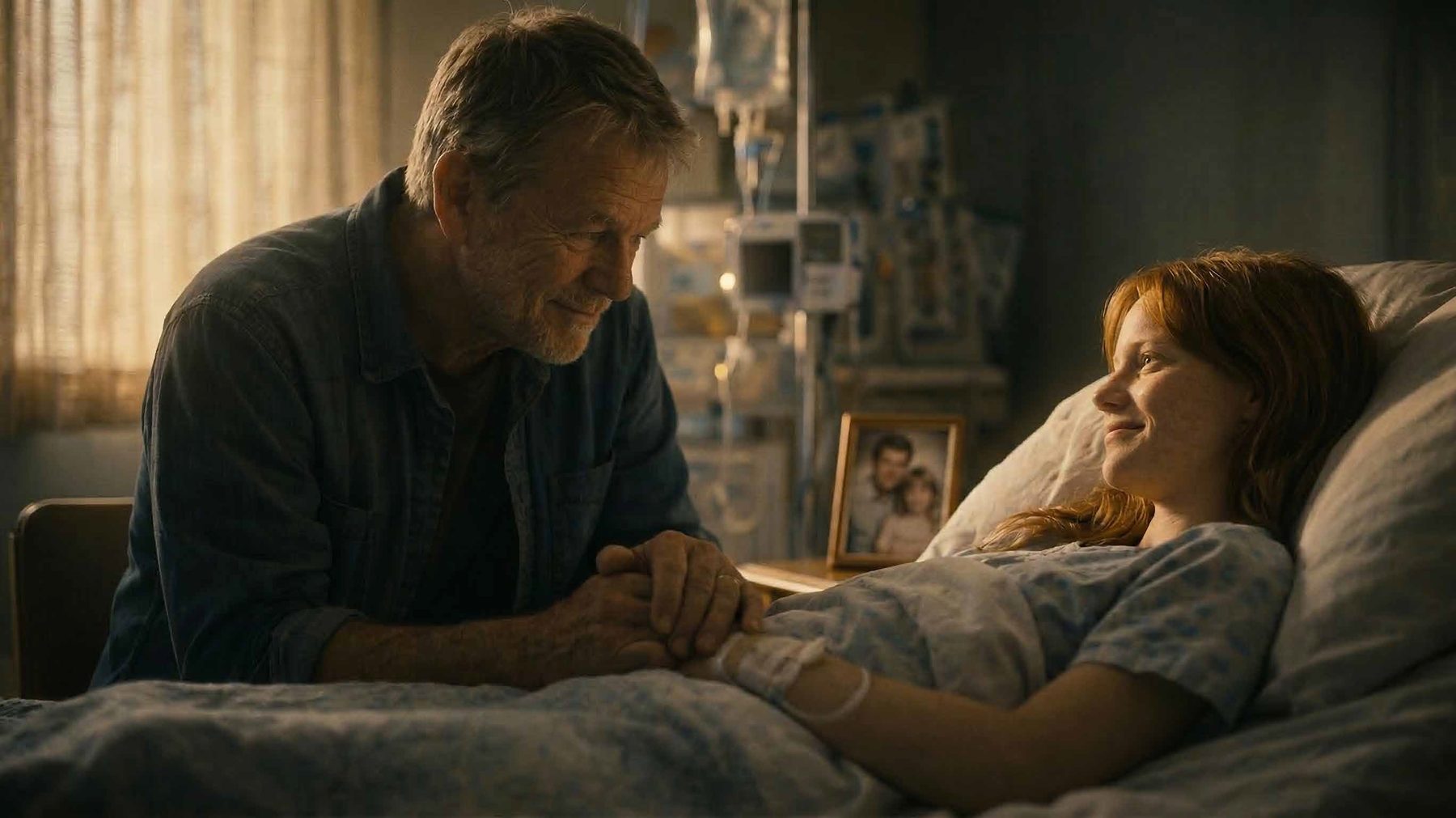
- Client
- NIVEA · made at Publicis Groupe UK
- Year
- 2026
- Location
- EMEA · Thailand
- Role
- Treatment, casting, art direction & AI direction
One face at six ages, nine remembered places, fifty-two frames — and the rules that keep them the same film.
01 — Brief → treatment
The idea, the tone, the rules
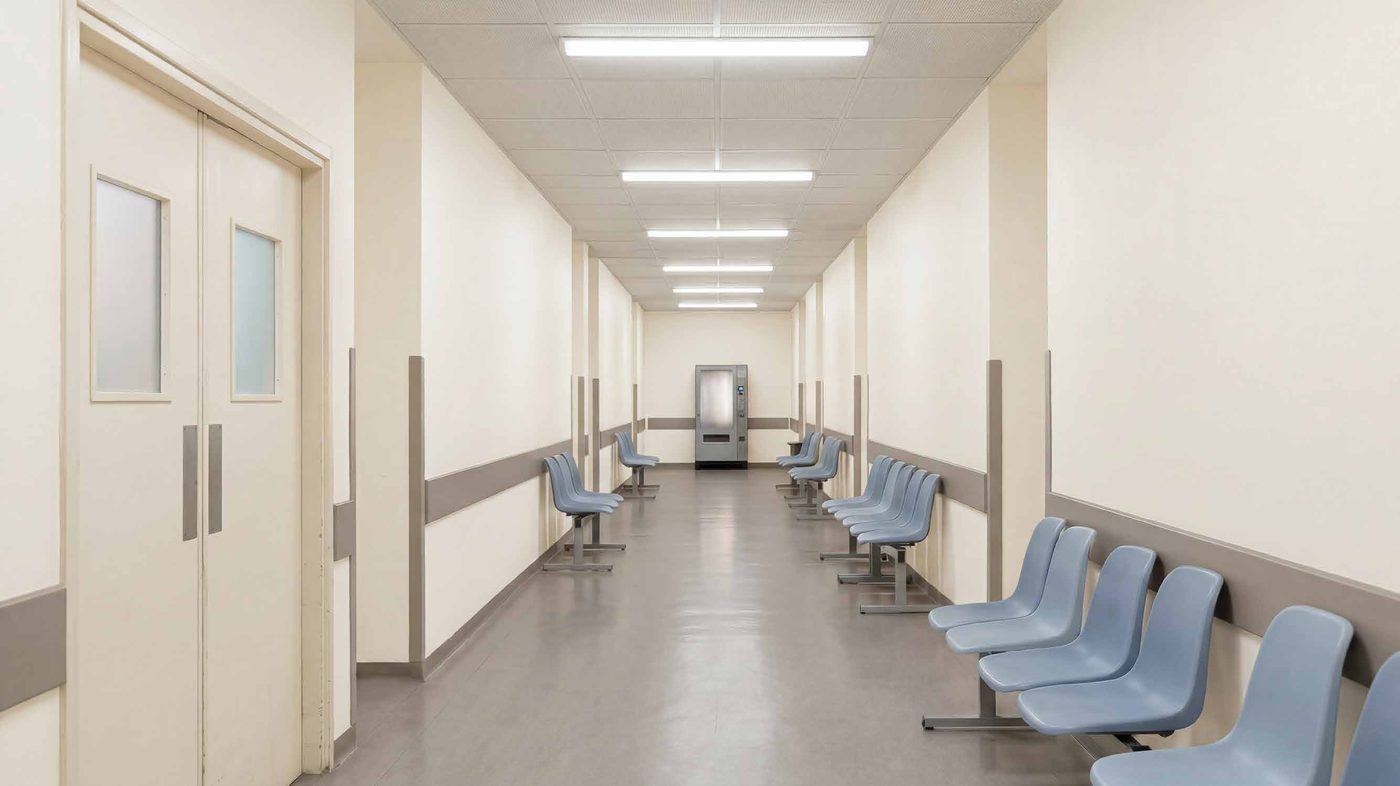
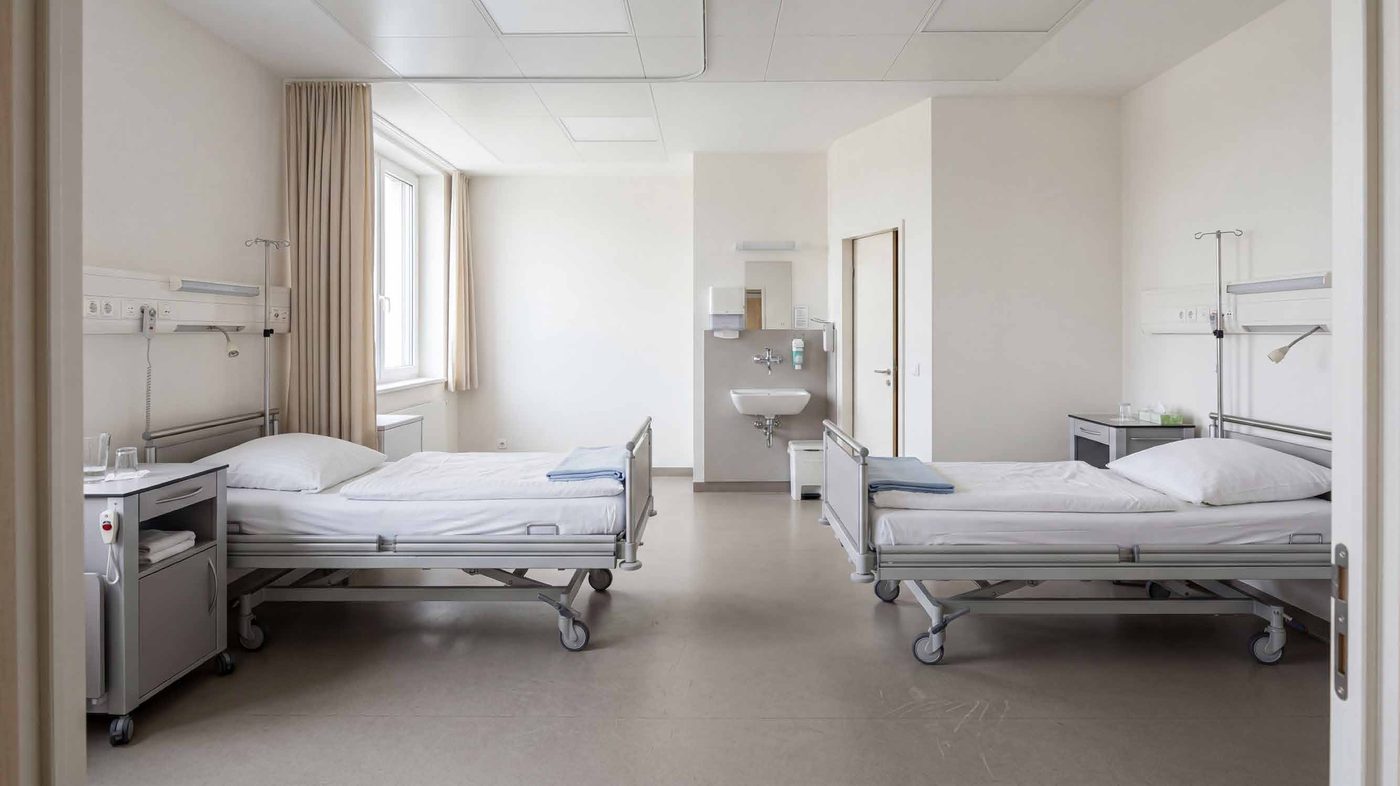
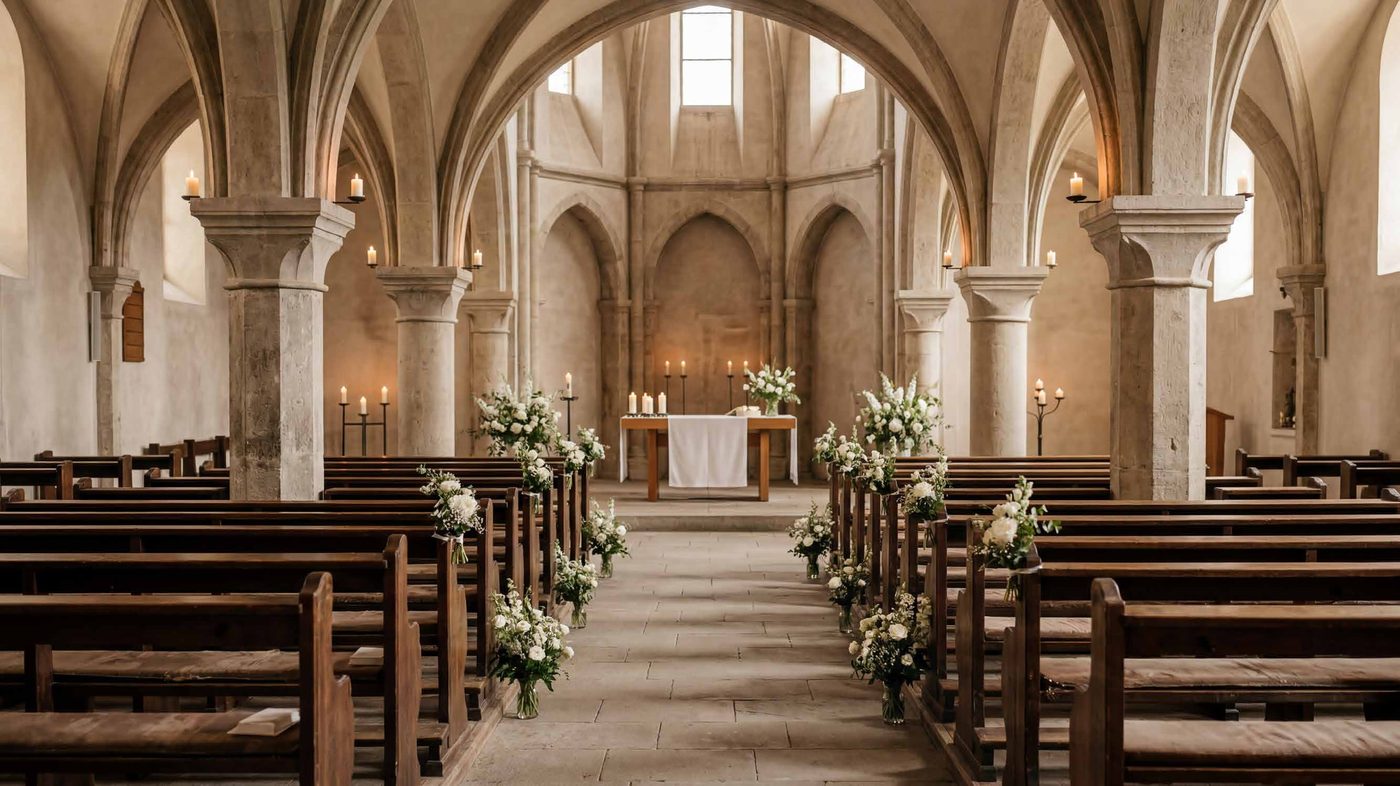
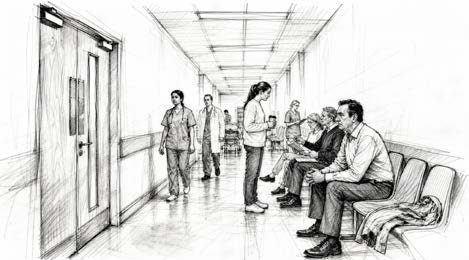
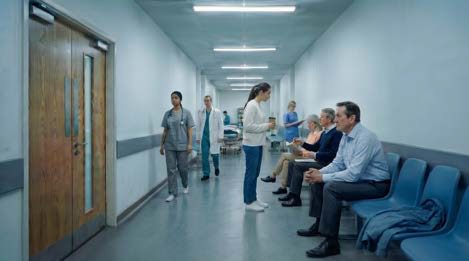
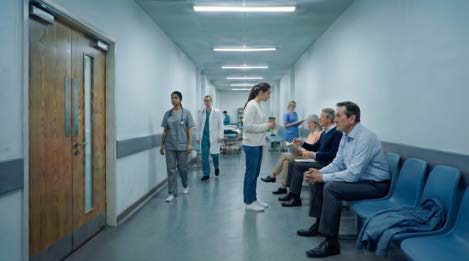
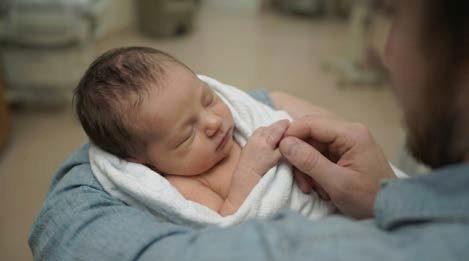
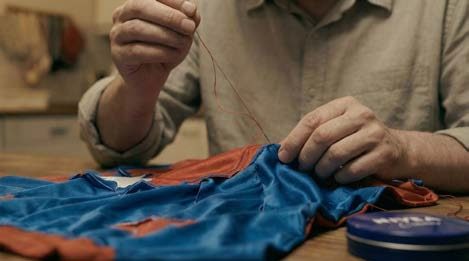
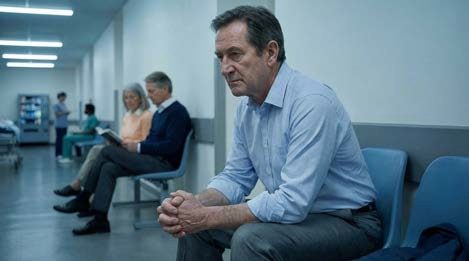
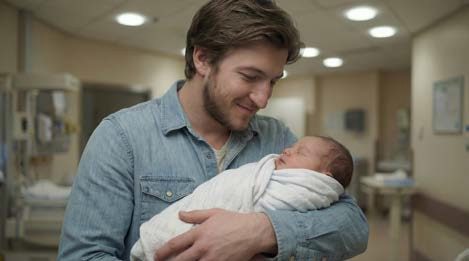
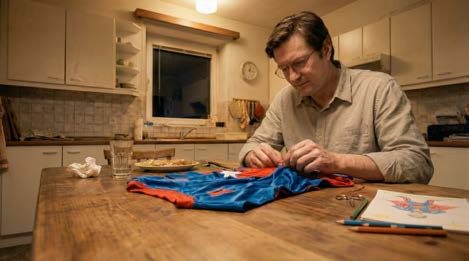
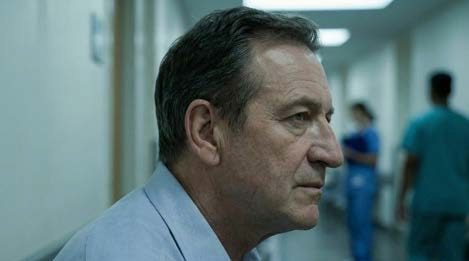
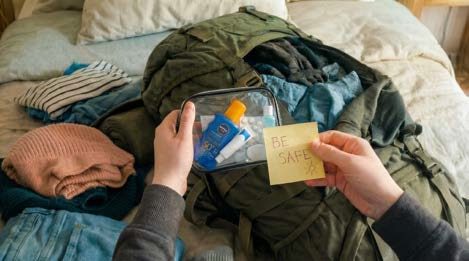
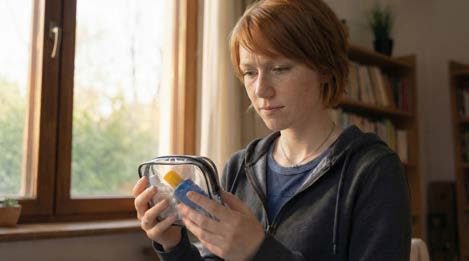
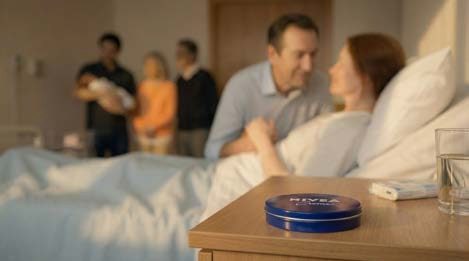
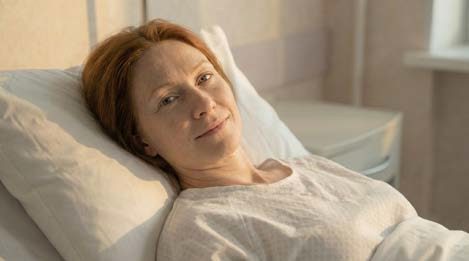
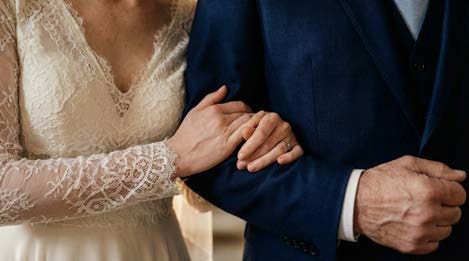
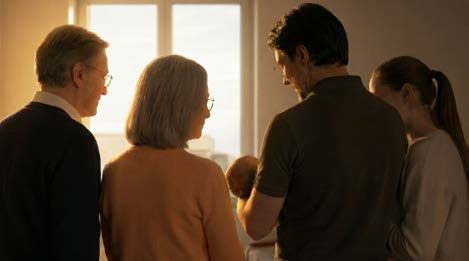
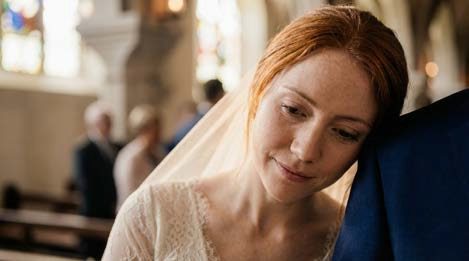
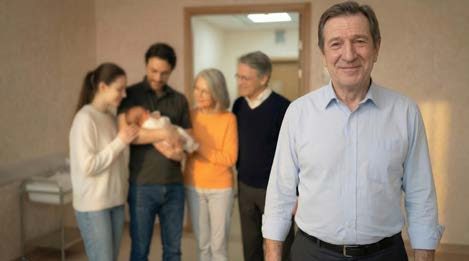
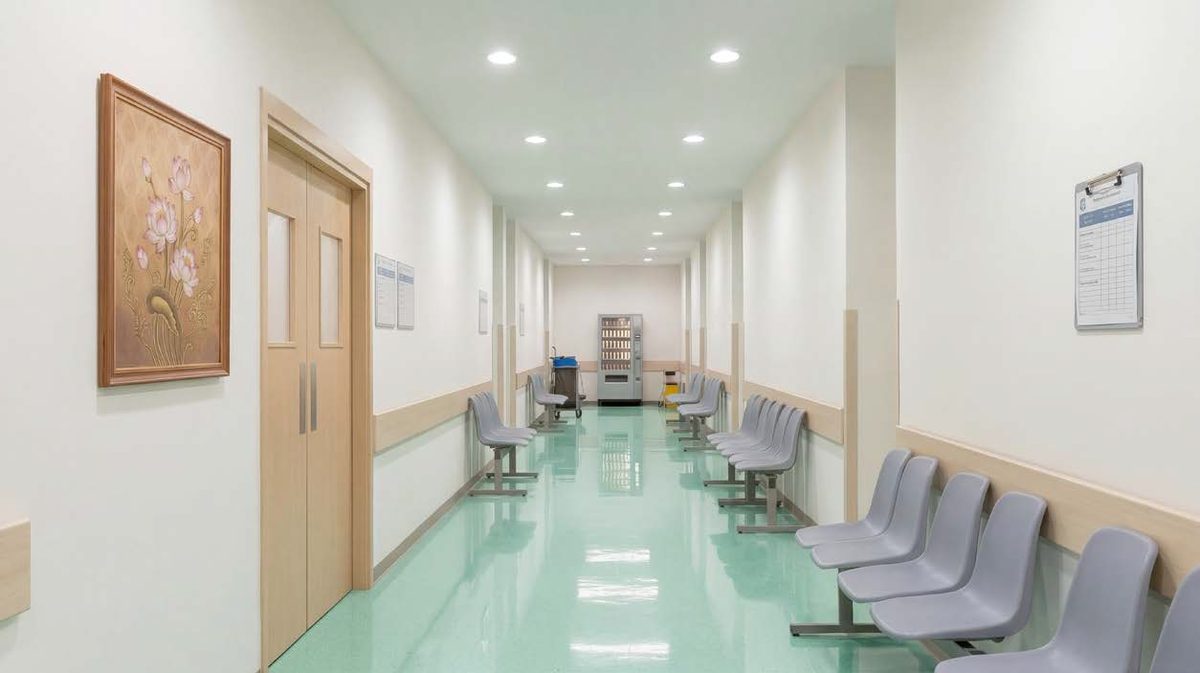
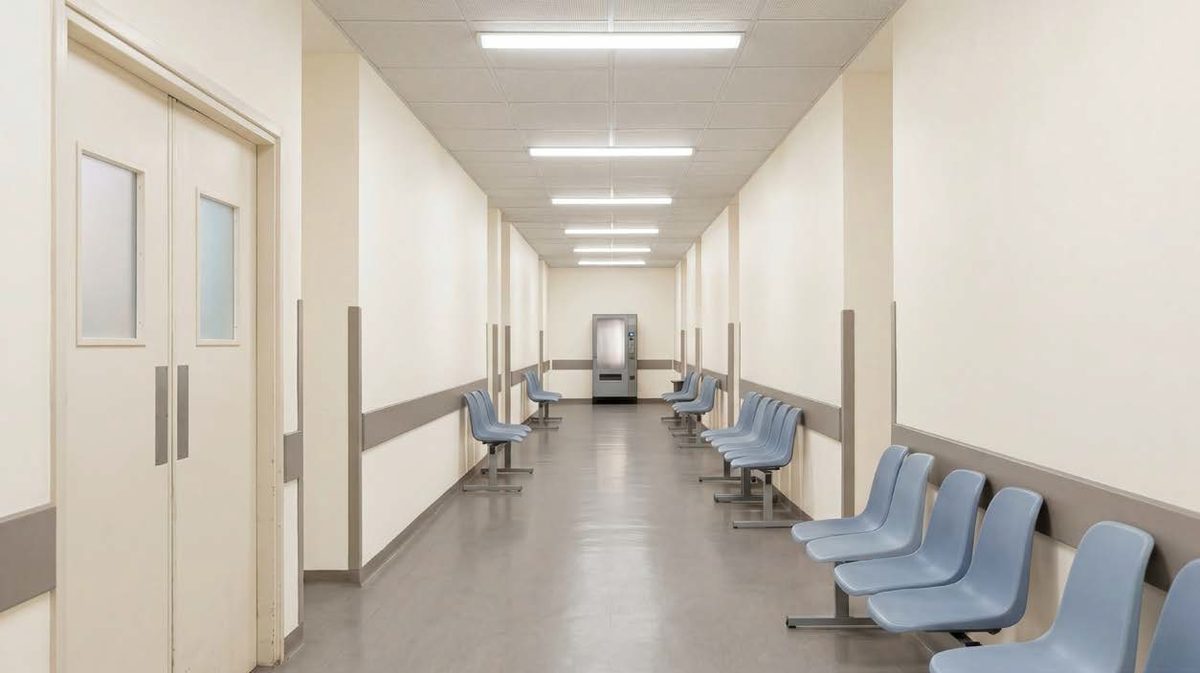
The film uses a hospital waiting room as its emotional engine: a father in the one situation where his care cannot act. From there we move through fragments of a life — her birth, her first fall, the costume made at night, the sunscreen in the bag, the wedding aisle.
The treatment sets the rules before a single frame exists. Not sentimental, not performative. Chronology is never explained — it is felt through texture, clothing and the ageing of faces. The places are not reconstructed; they are remembered: slightly imperfect, slightly warm, slightly more beautiful than they were.
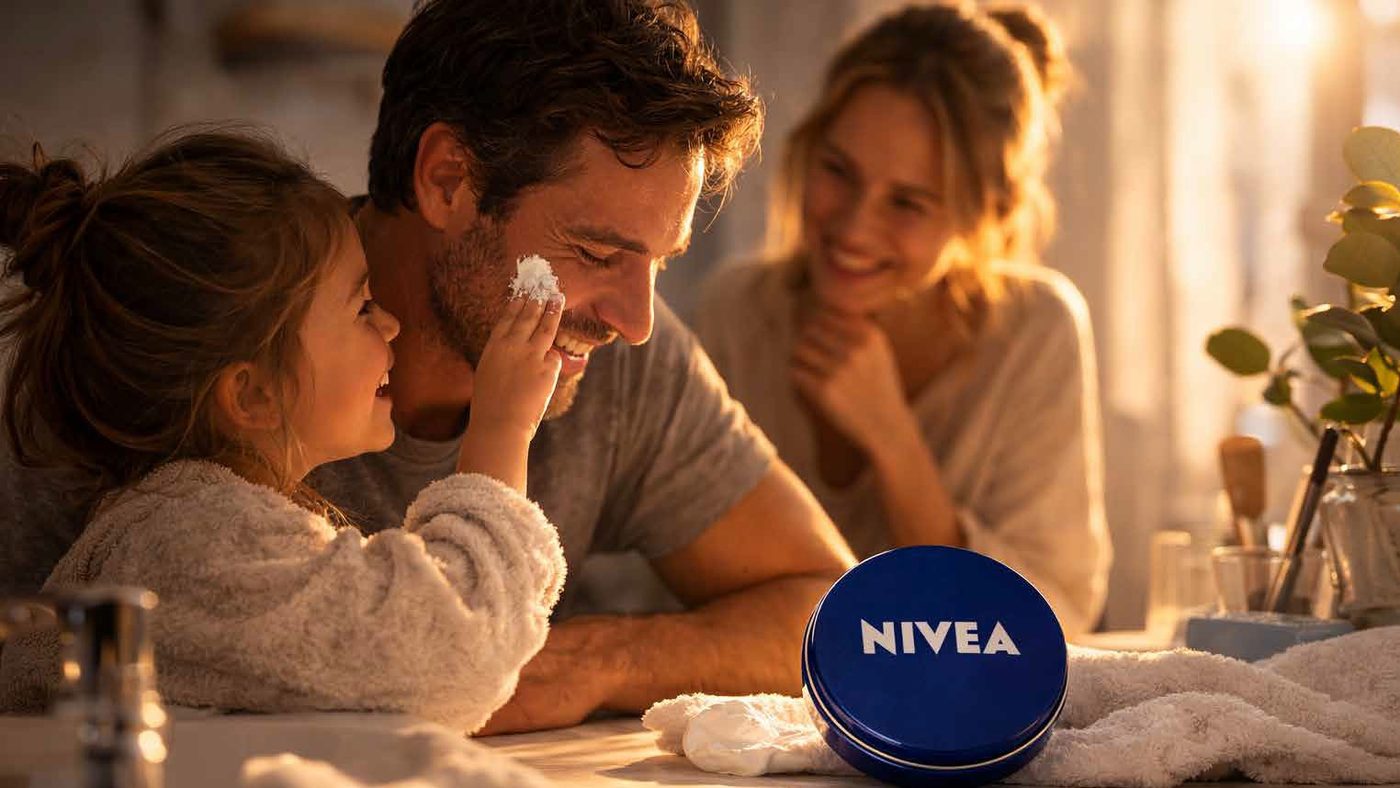
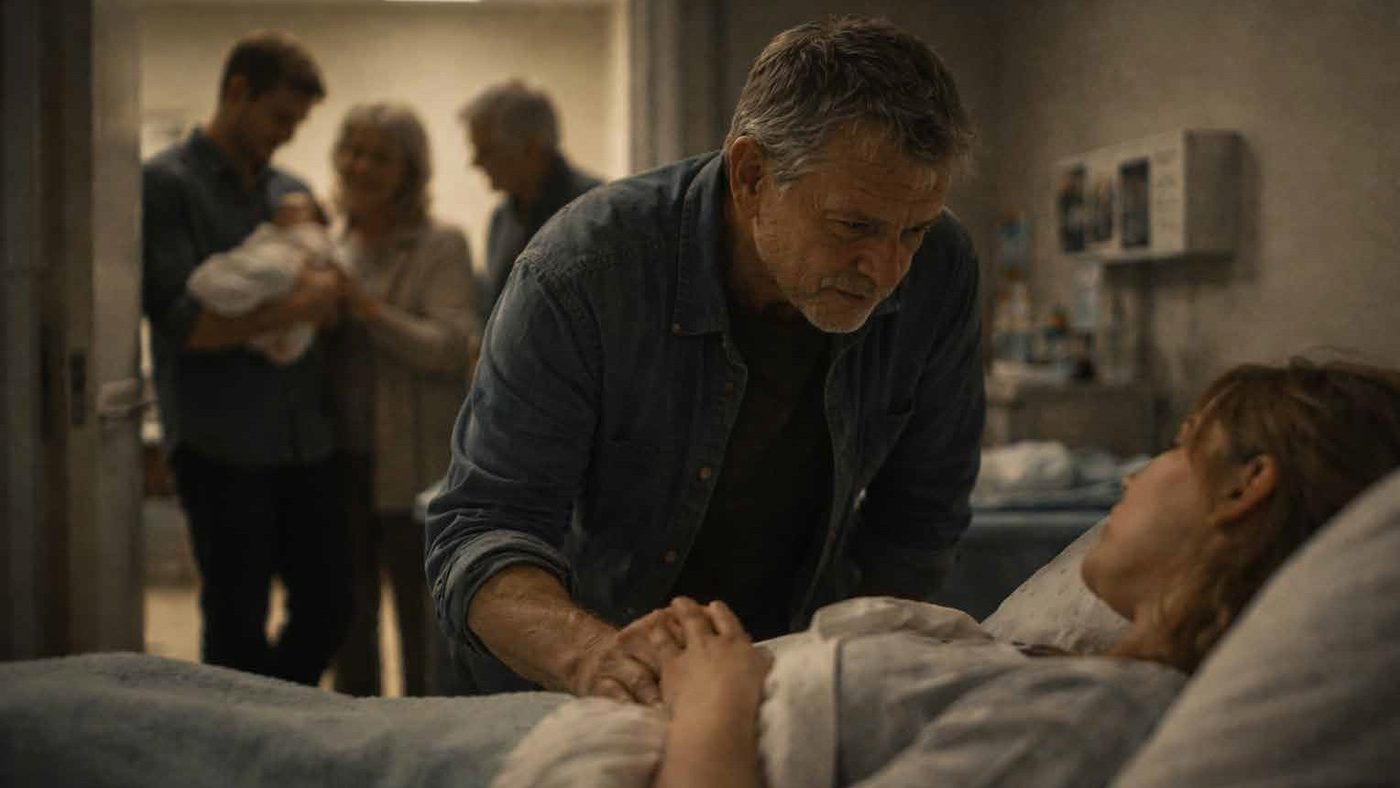
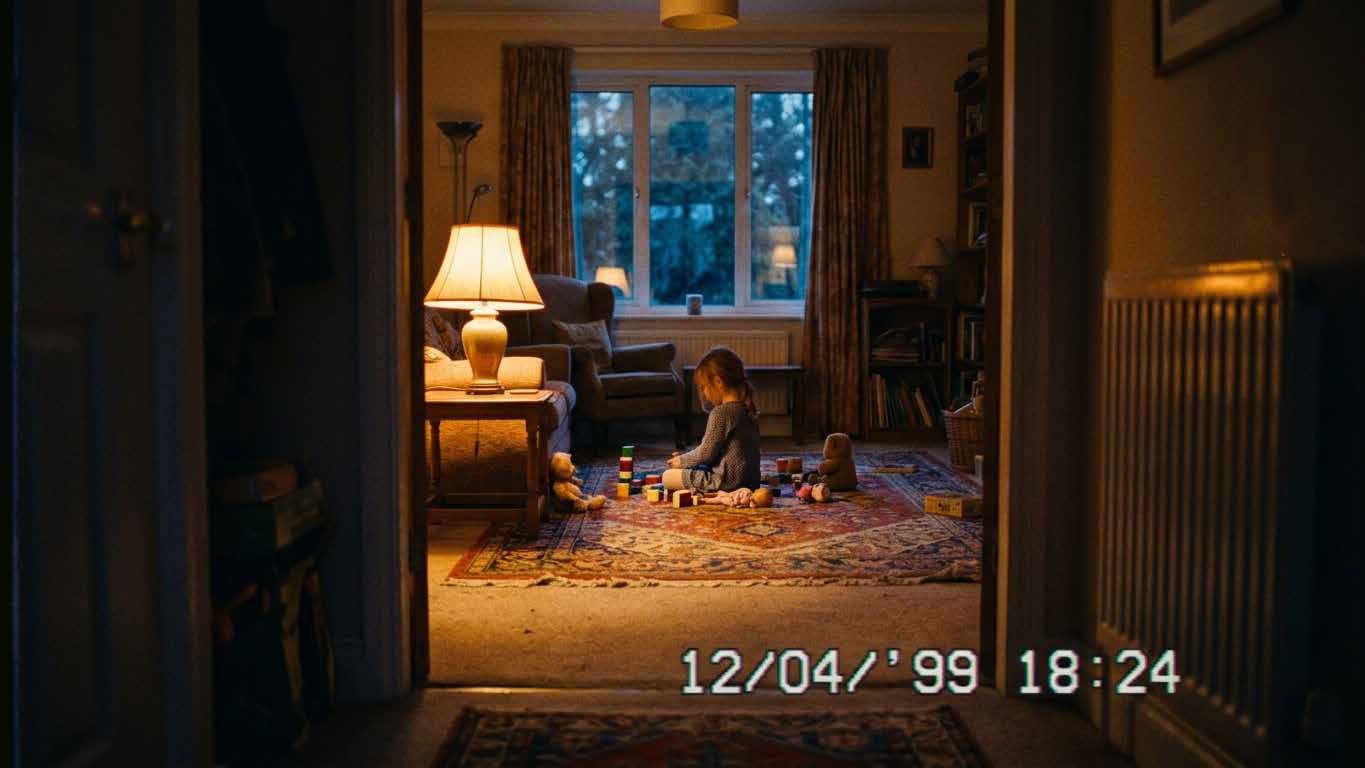
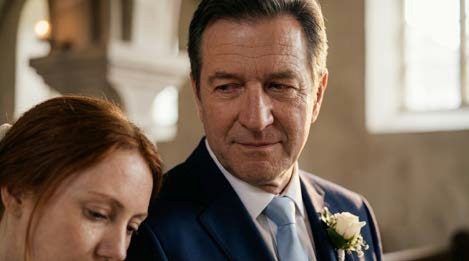
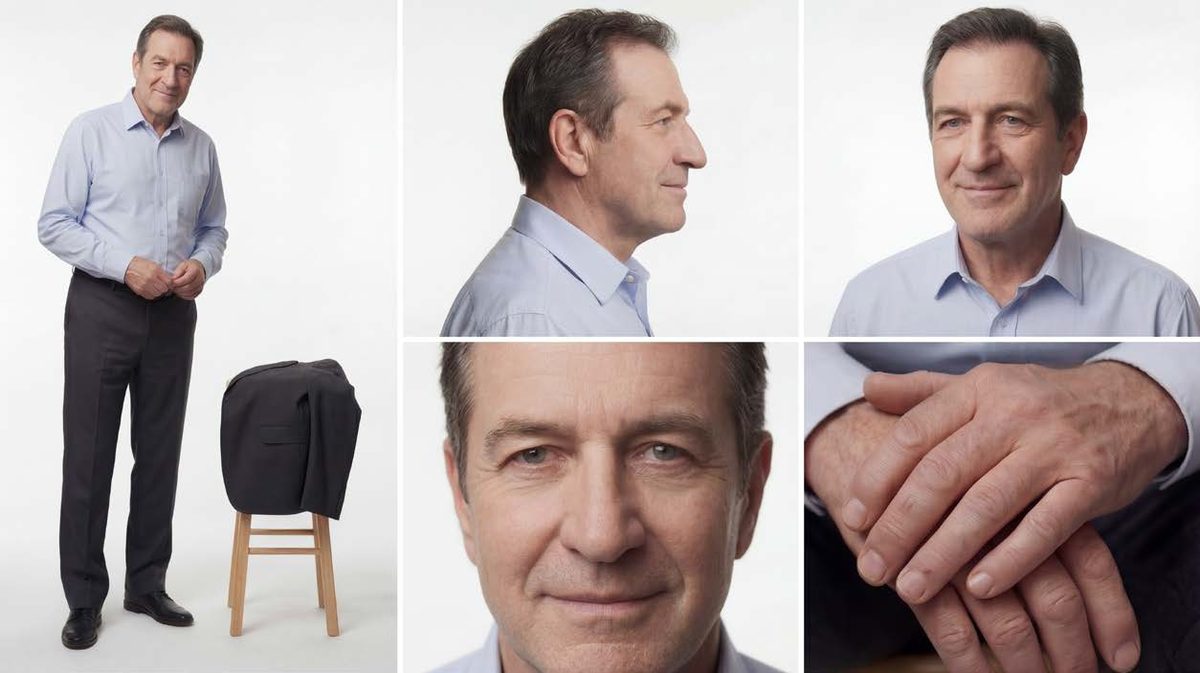
The strongest casting test: you must see the young father in the old man.
02 — Casting
Three options per lead
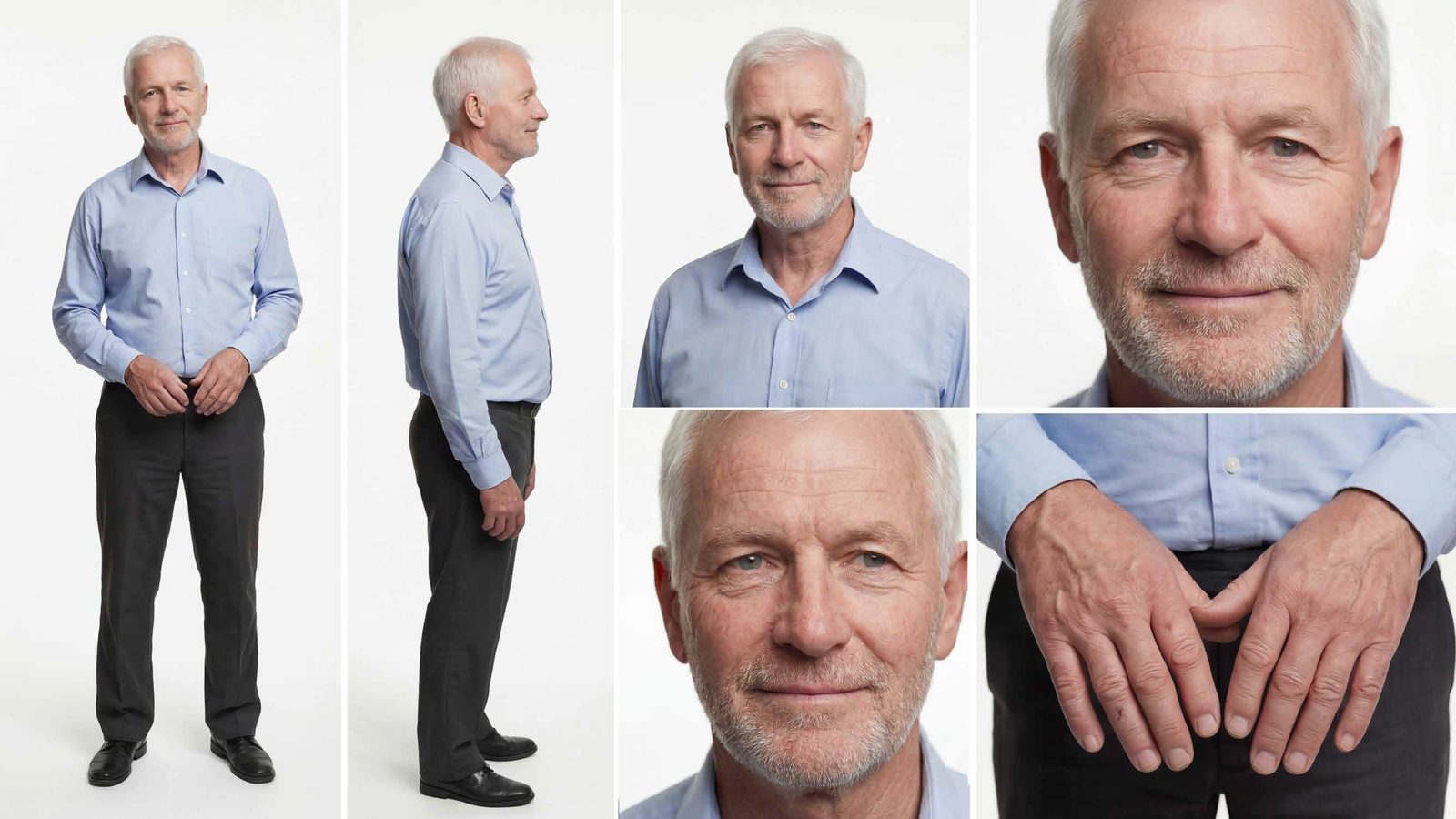
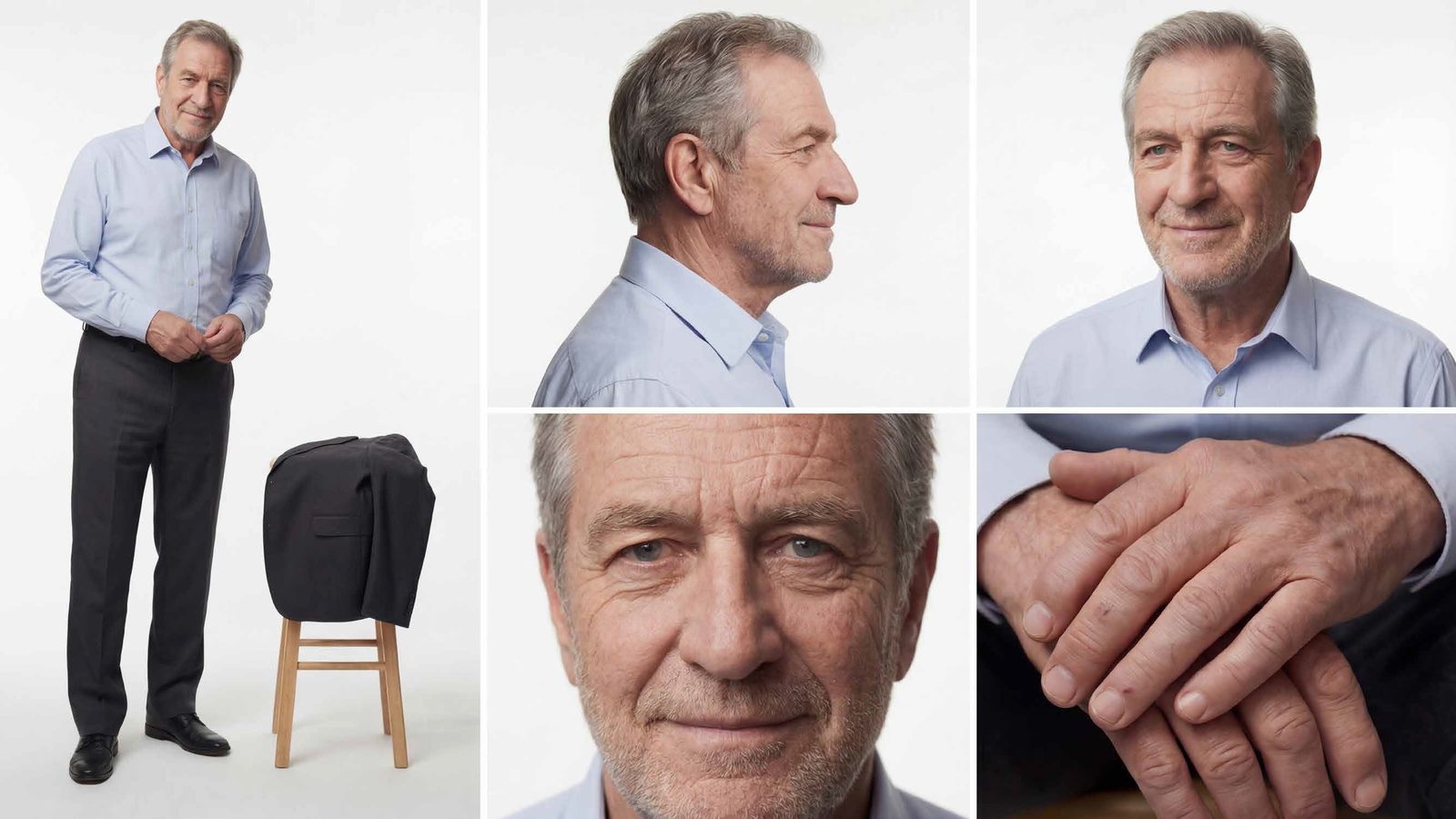
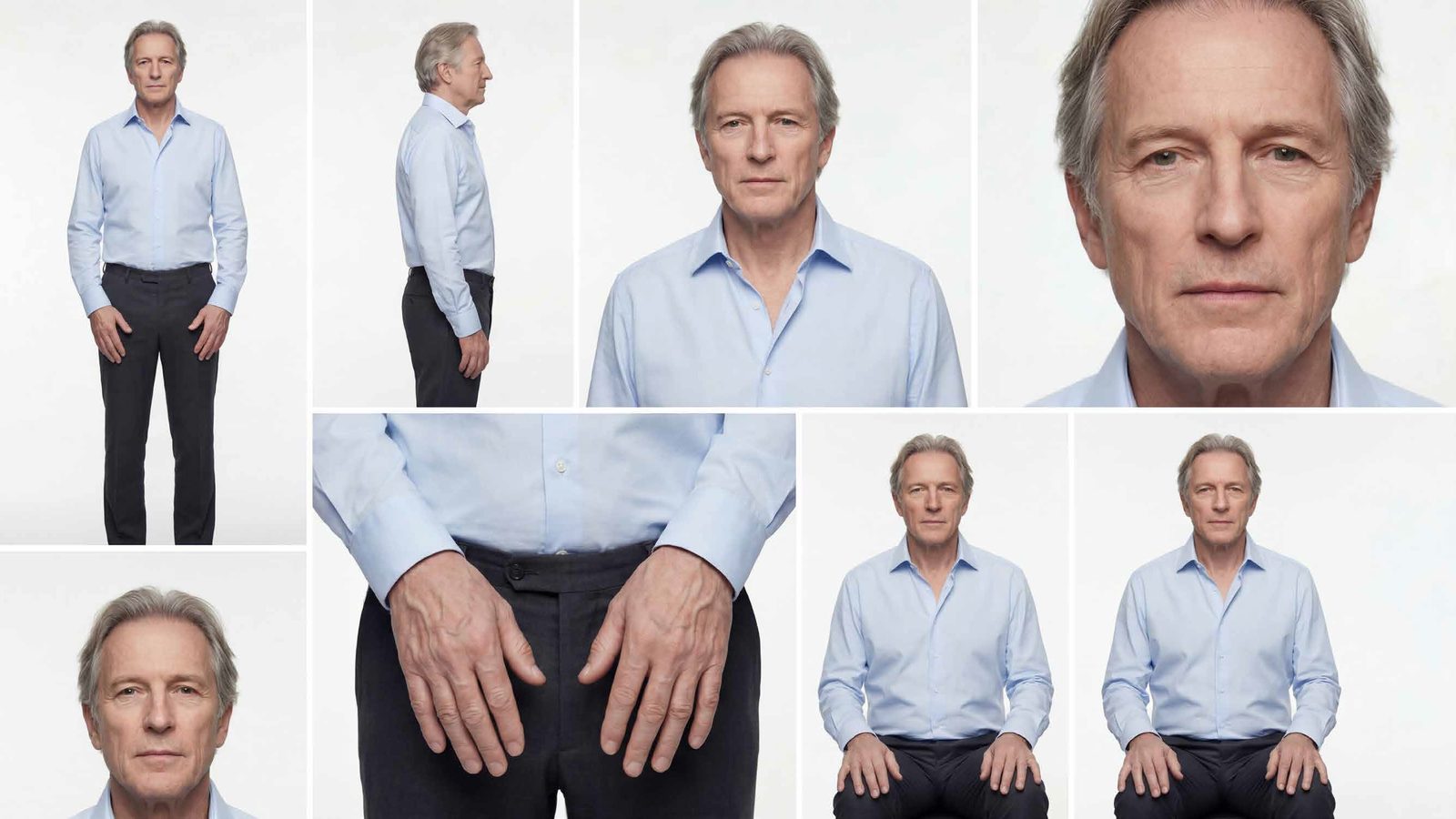
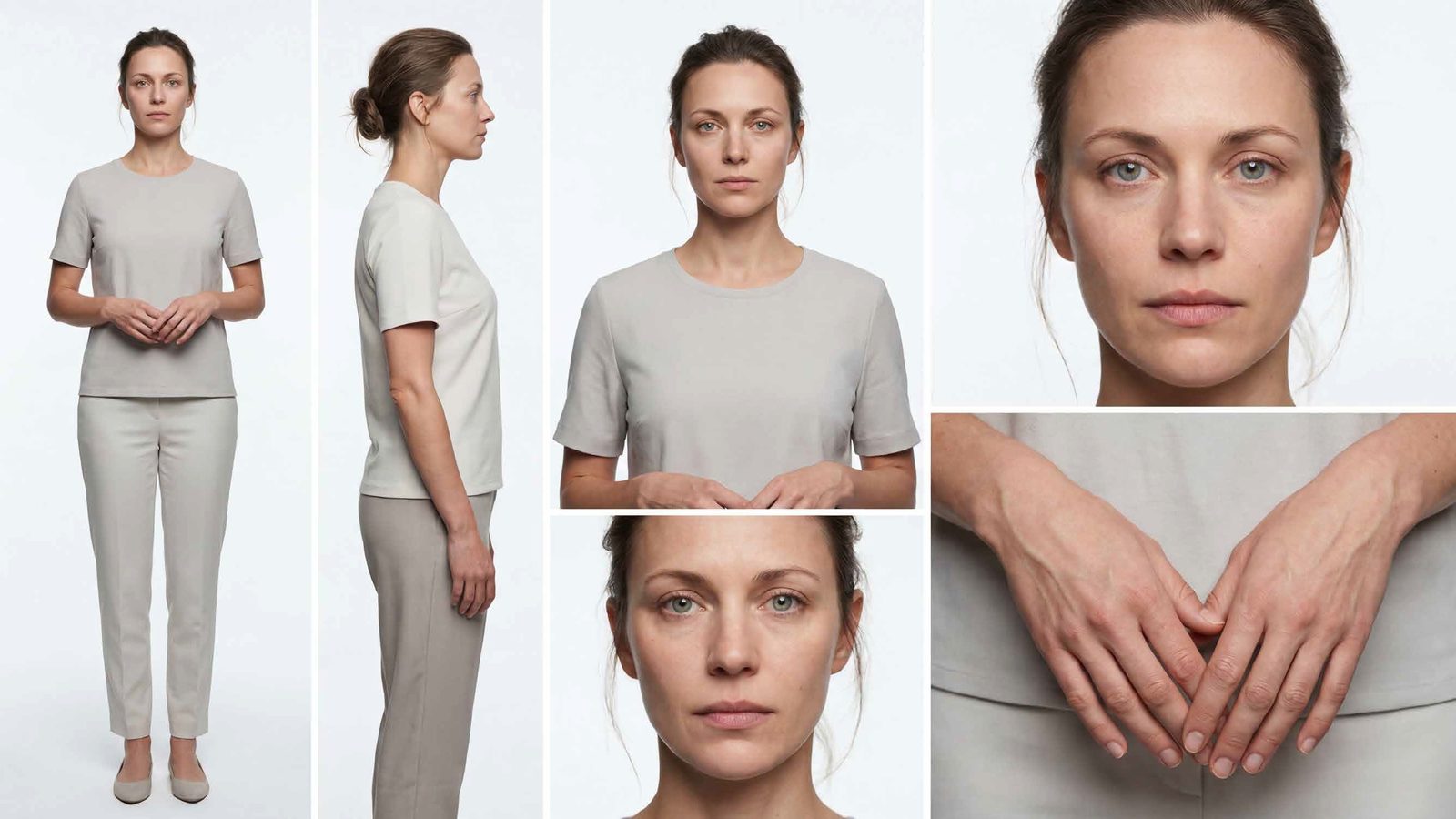
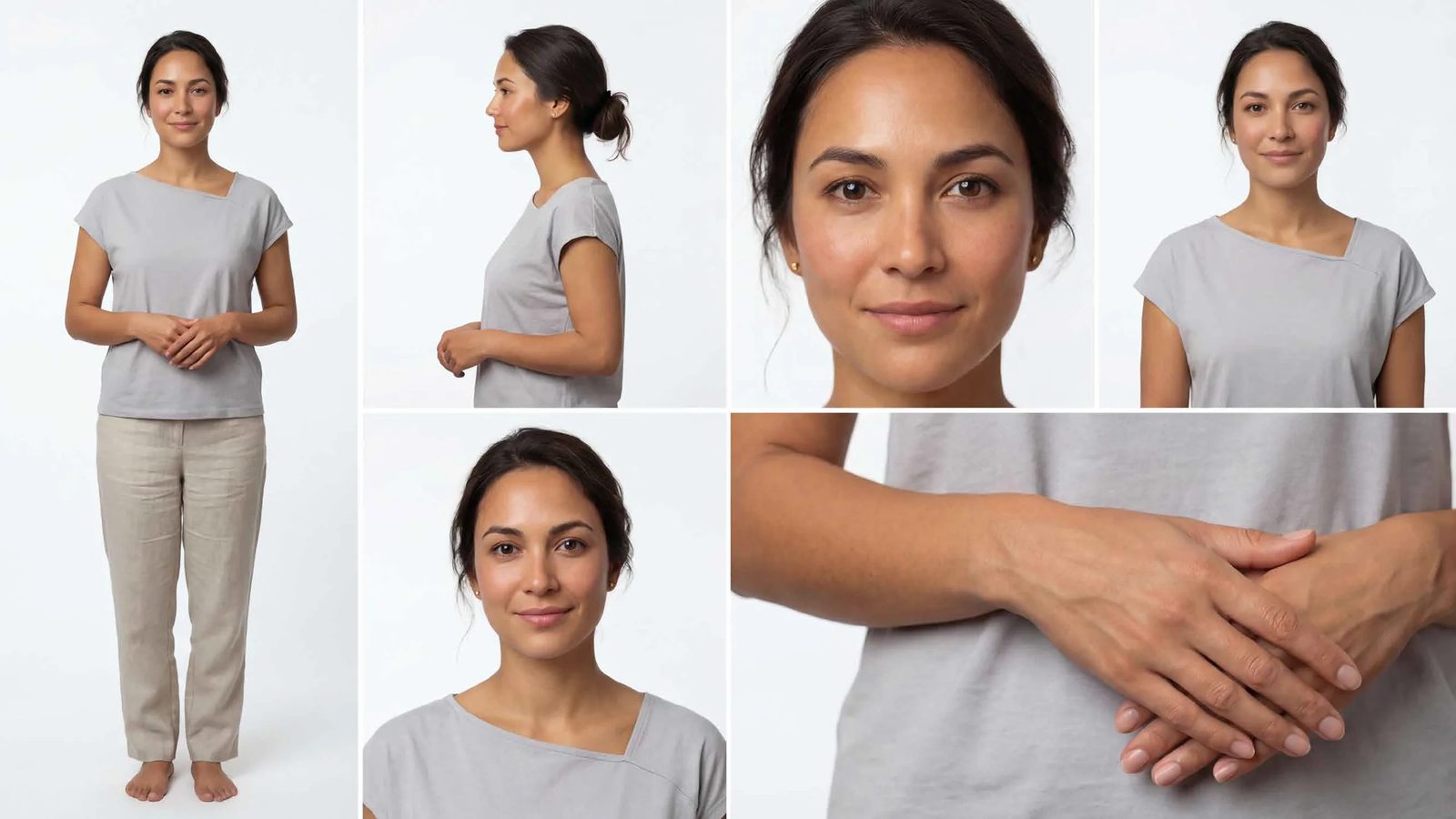
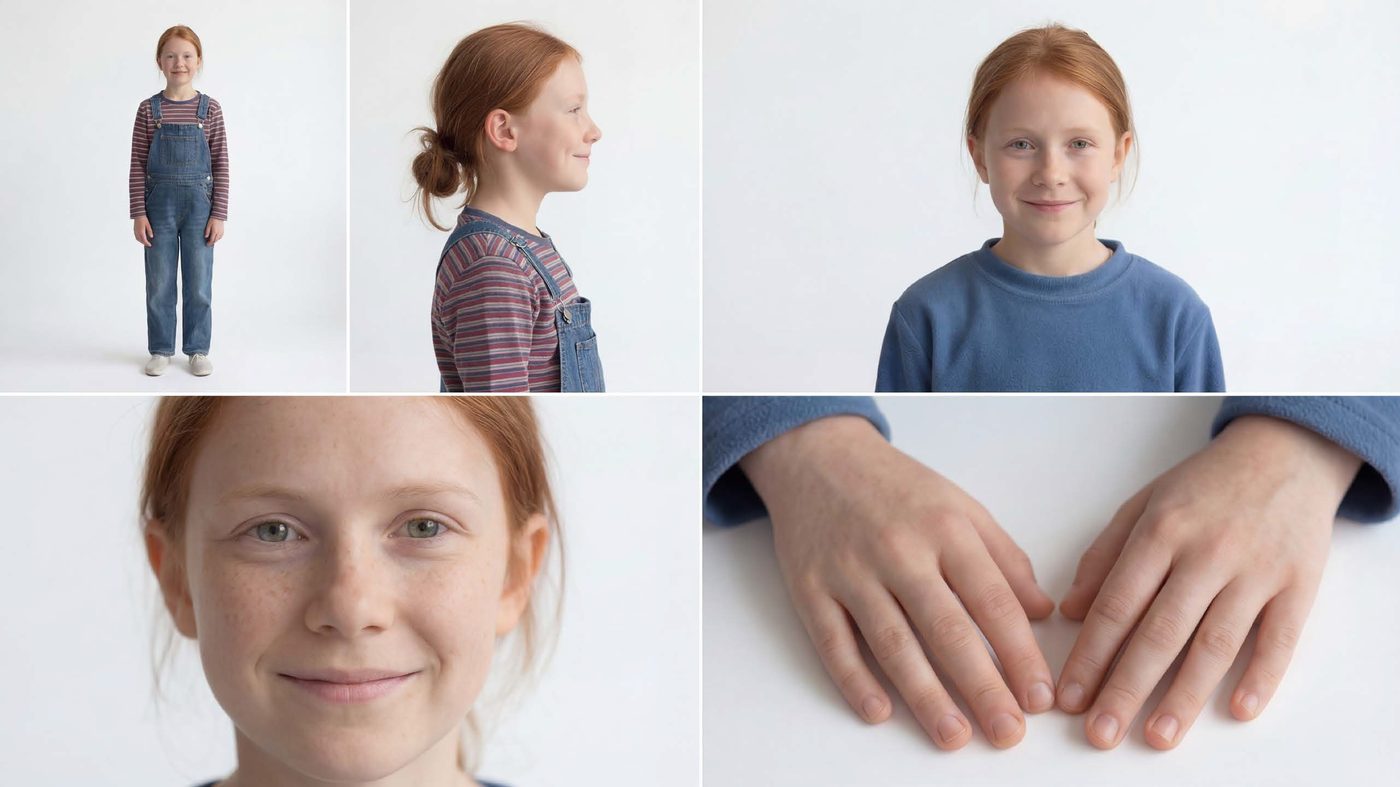
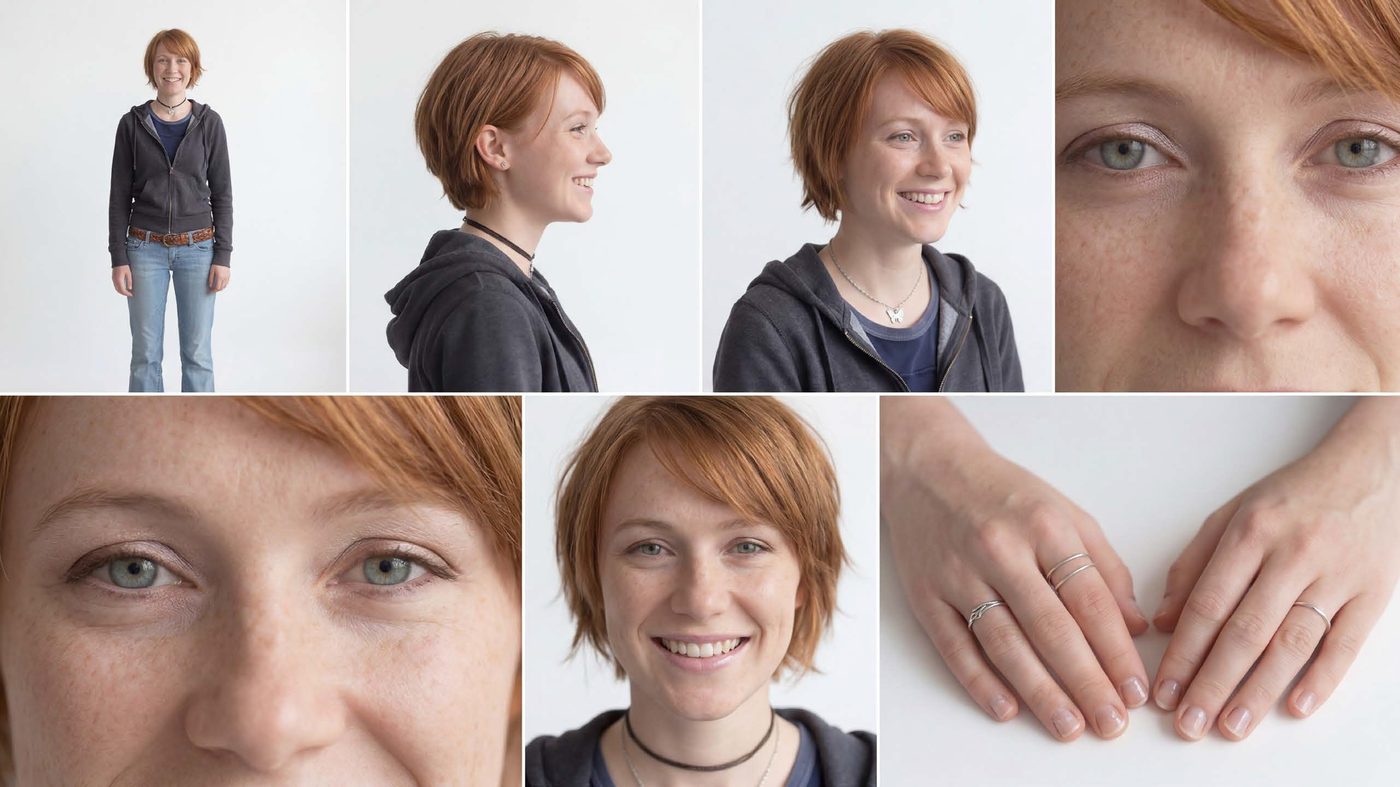
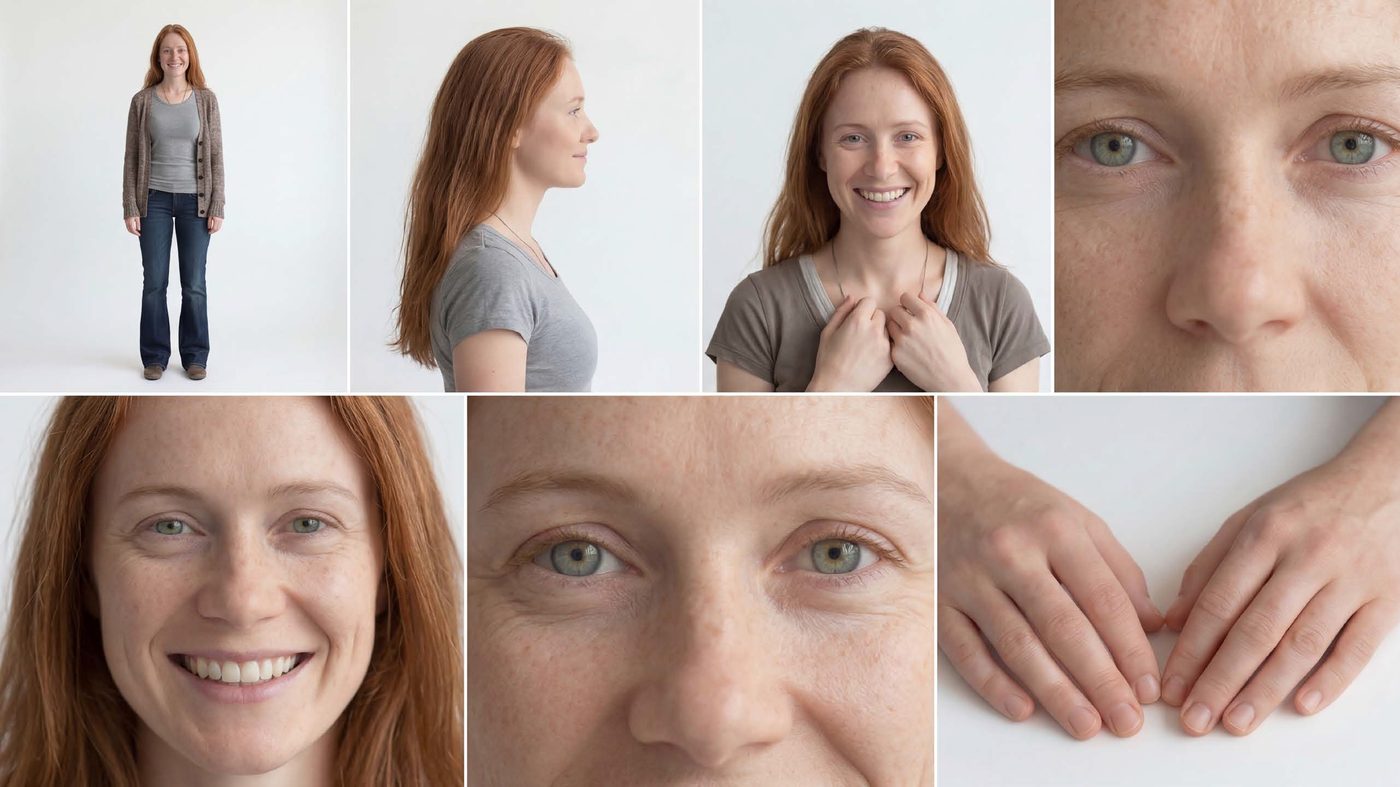
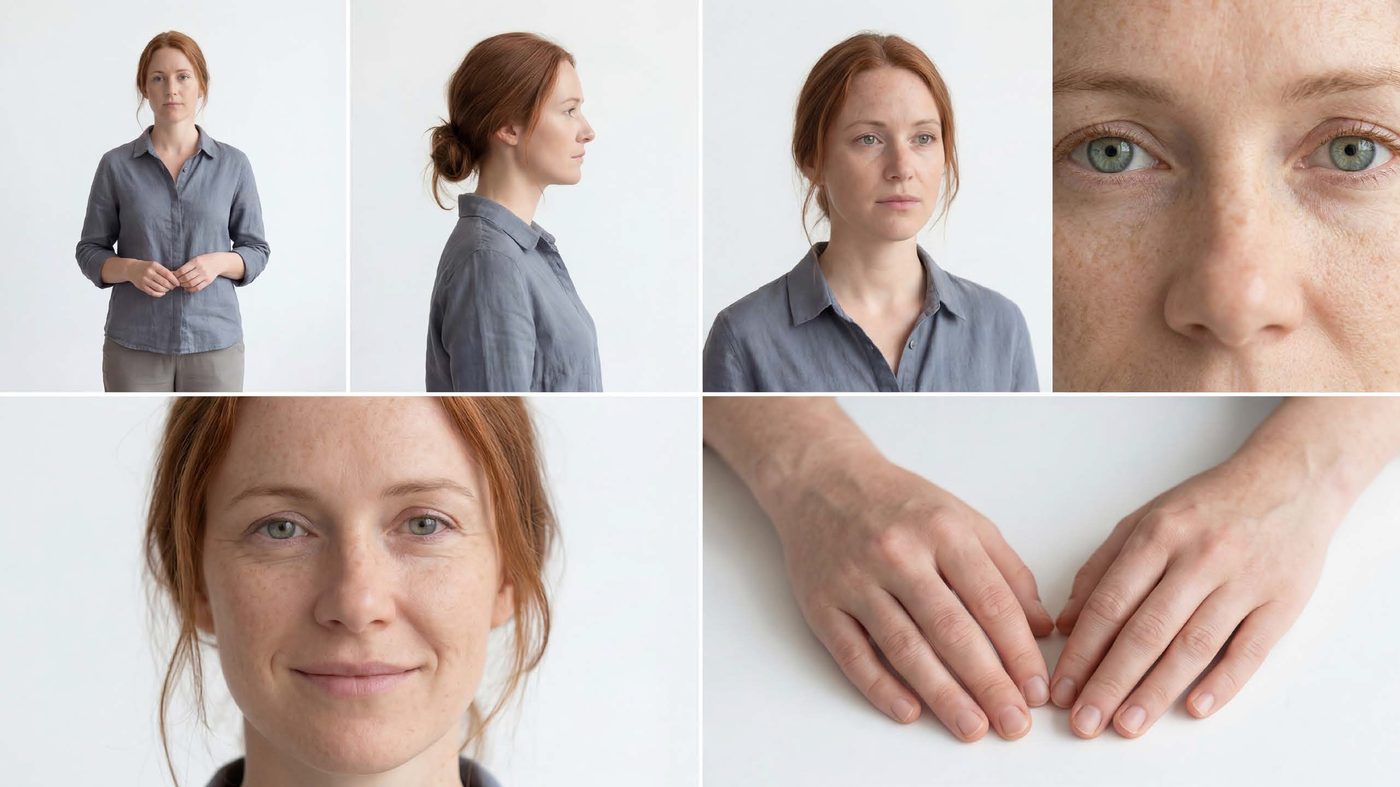
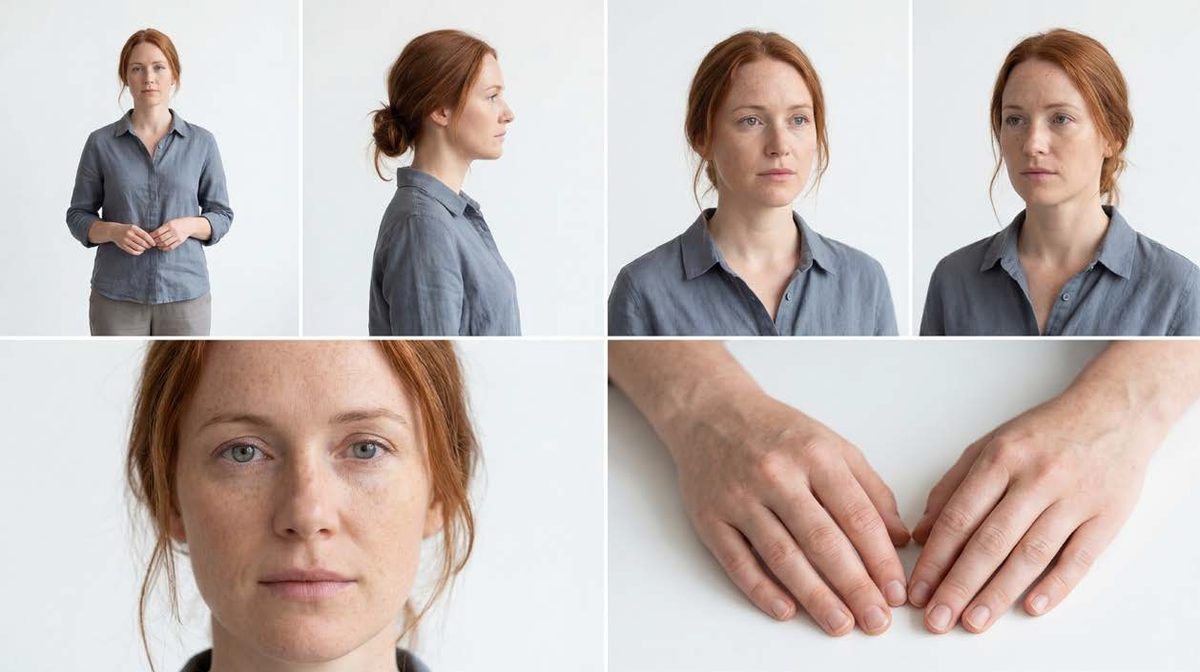
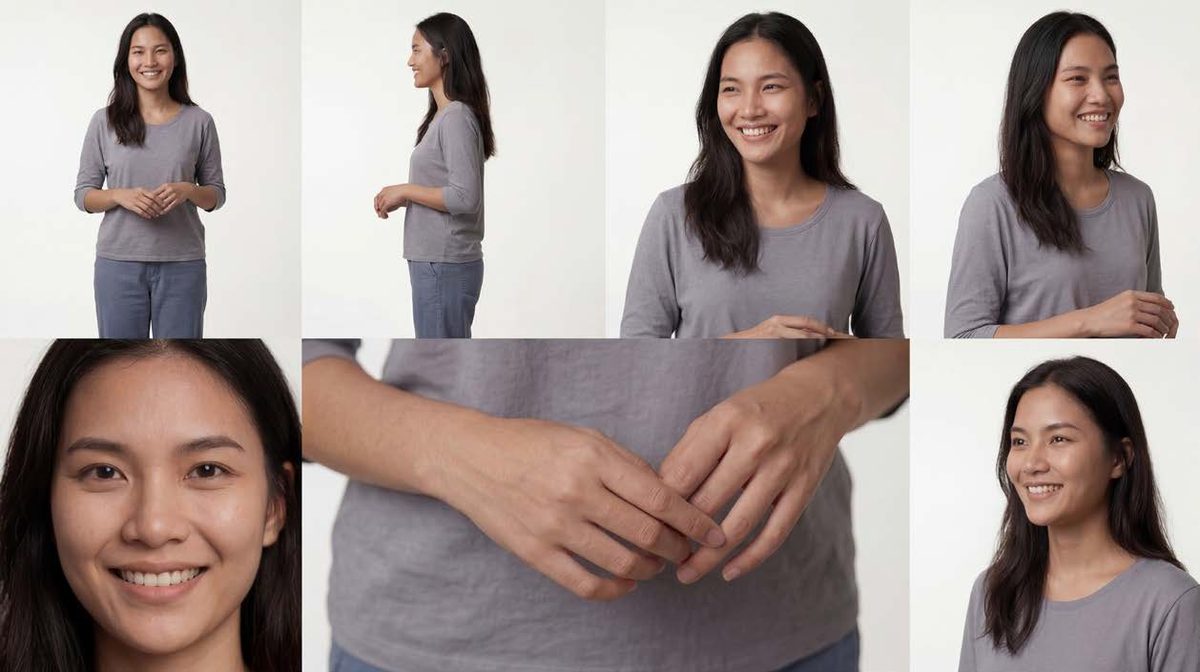
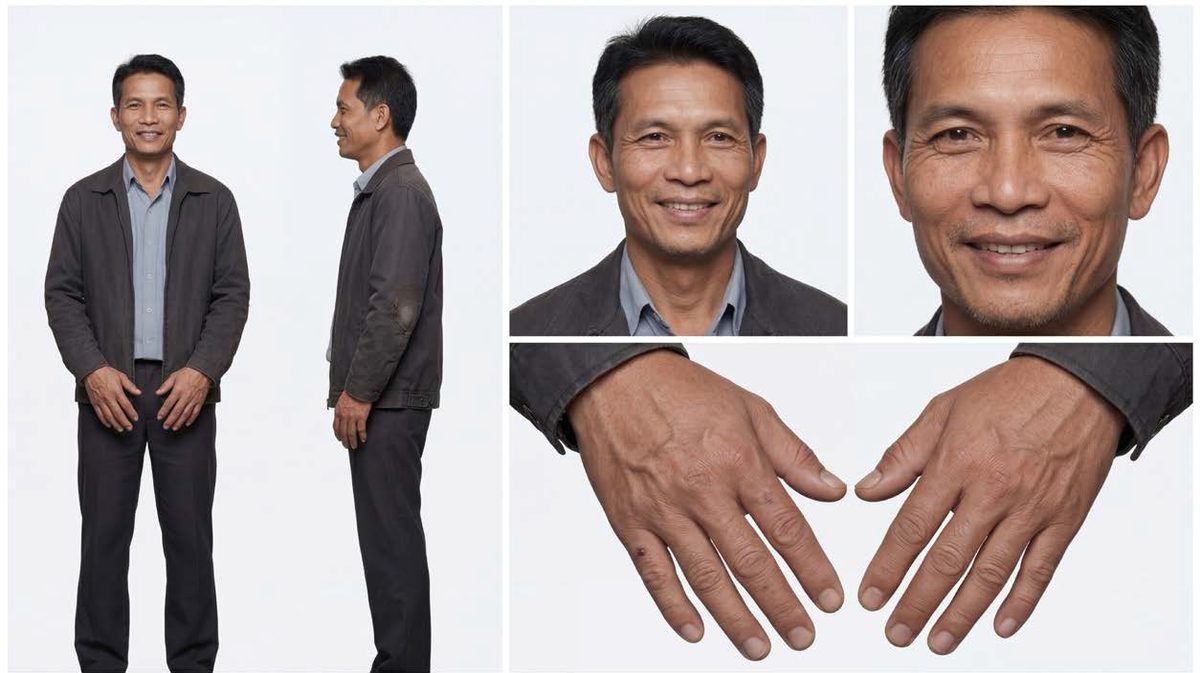
Each lead is presented as three sheets: a preferred direction, a close alternative and a completely different approach. Full figure, profile, portrait, detail and hands — the same information a game character sheet carries, so the choice is made on the character, not on a single flattering image.
03 — Character sheets
One face across 27 years
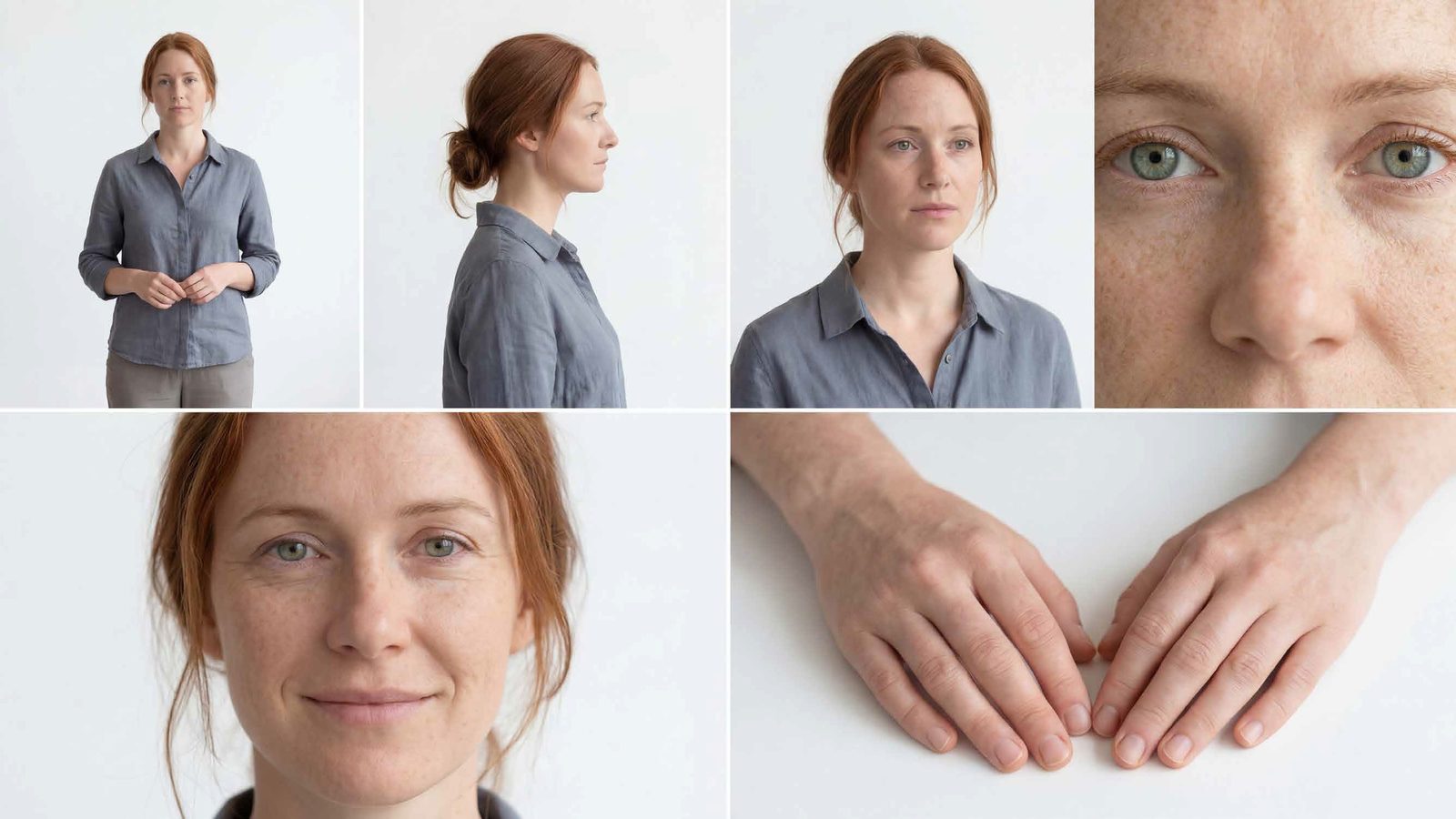
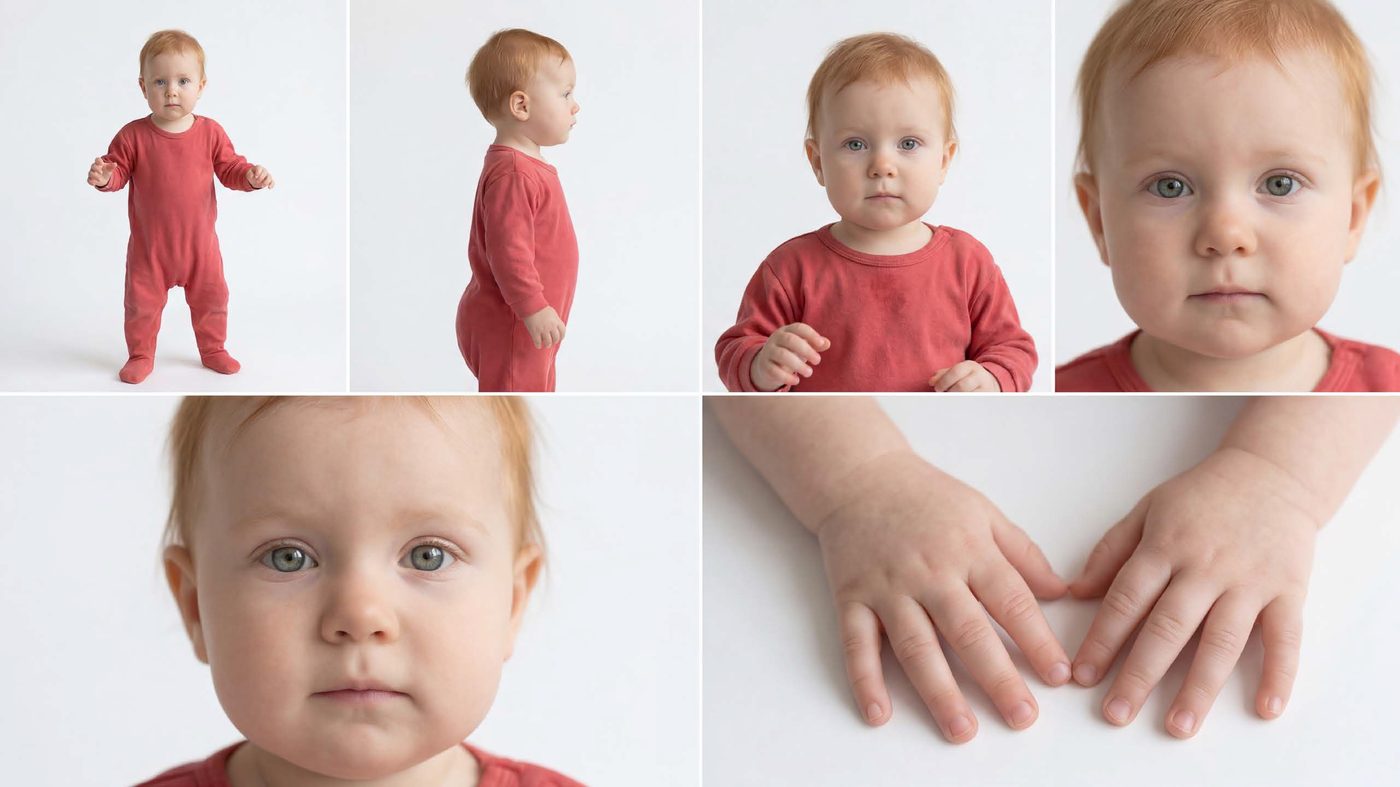
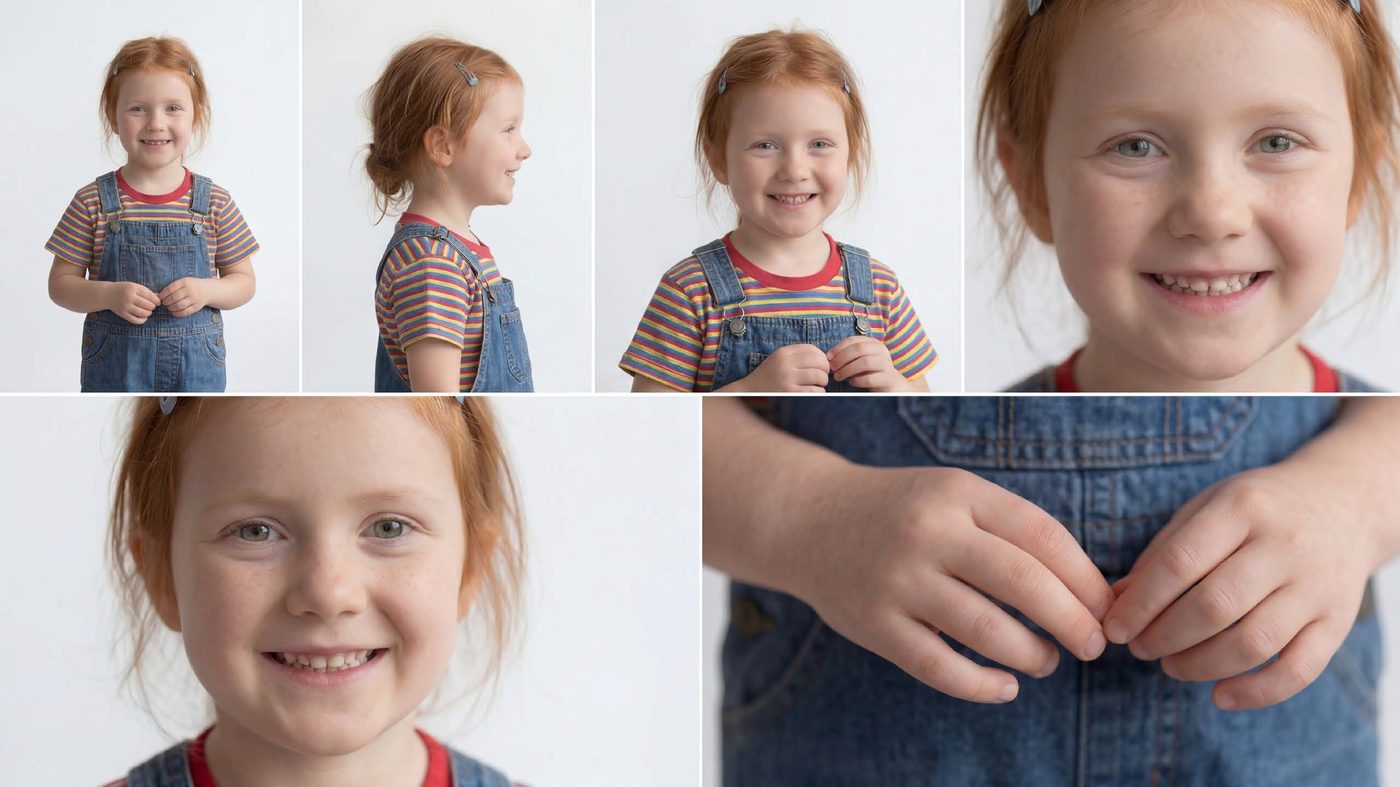
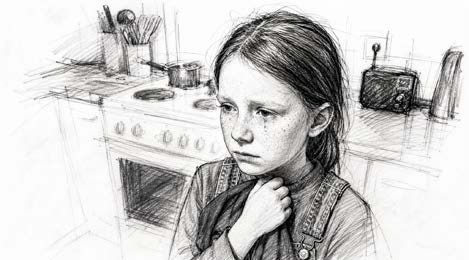
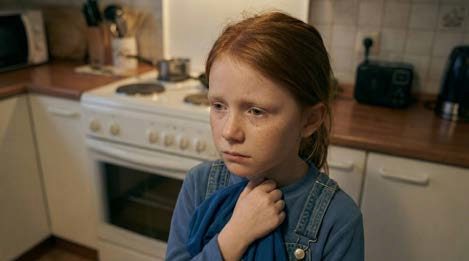
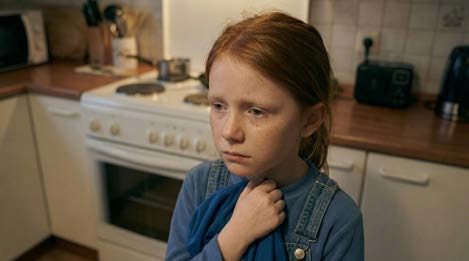
Once the leads are locked, the daughter is built as a single character at six ages. Hair, wardrobe and proportions change; the eyes, the freckles and the way she holds her hands do not. At every age the child is still there — continuity of self, not just continuity of plot.
04 — Locations
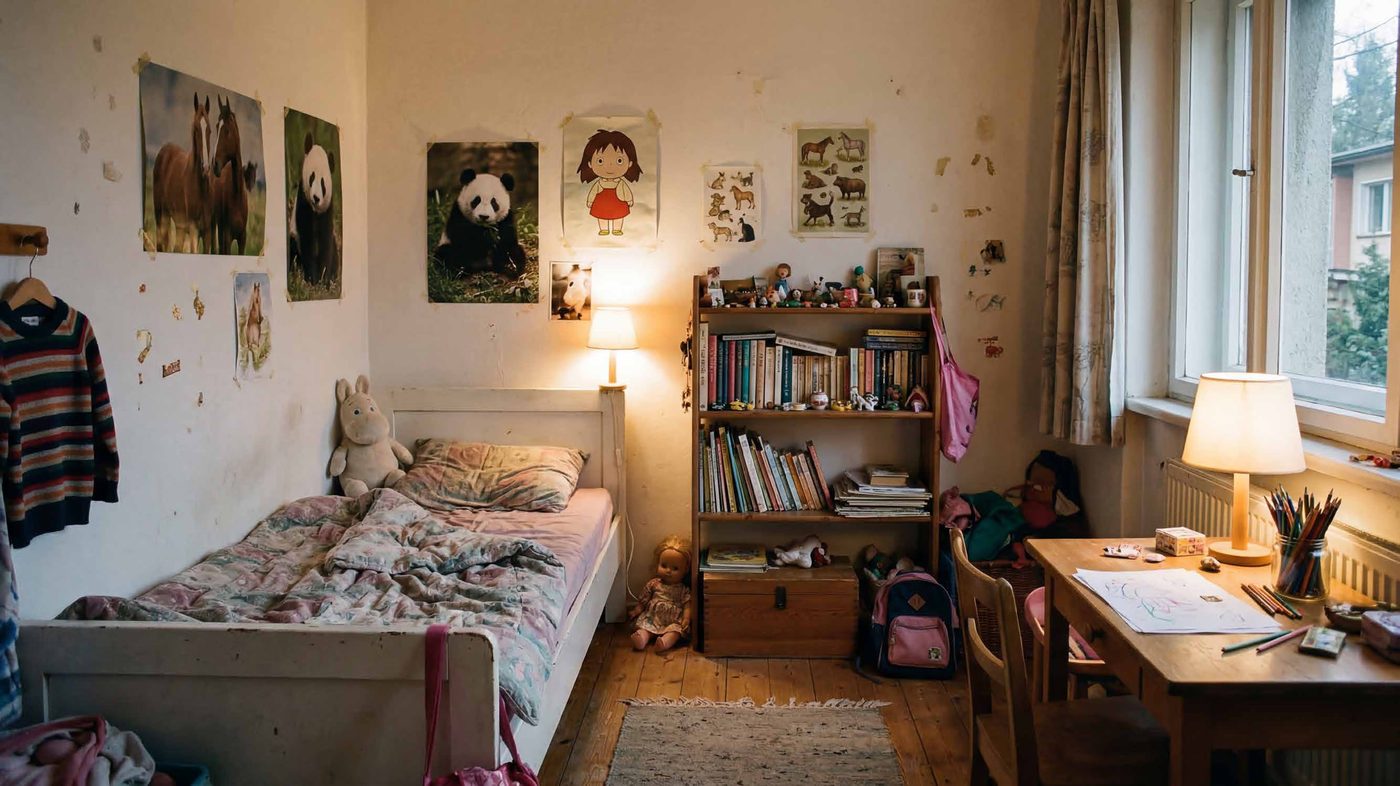
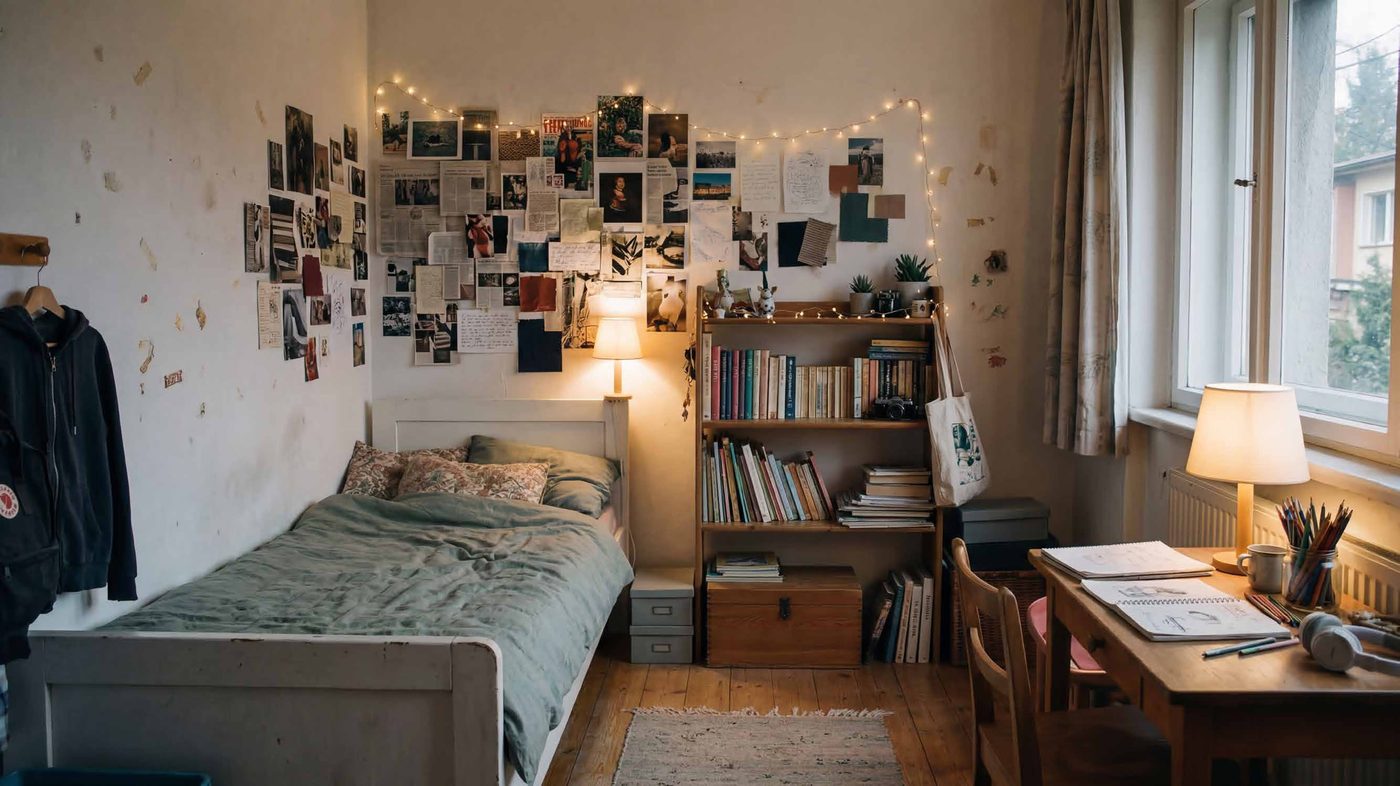
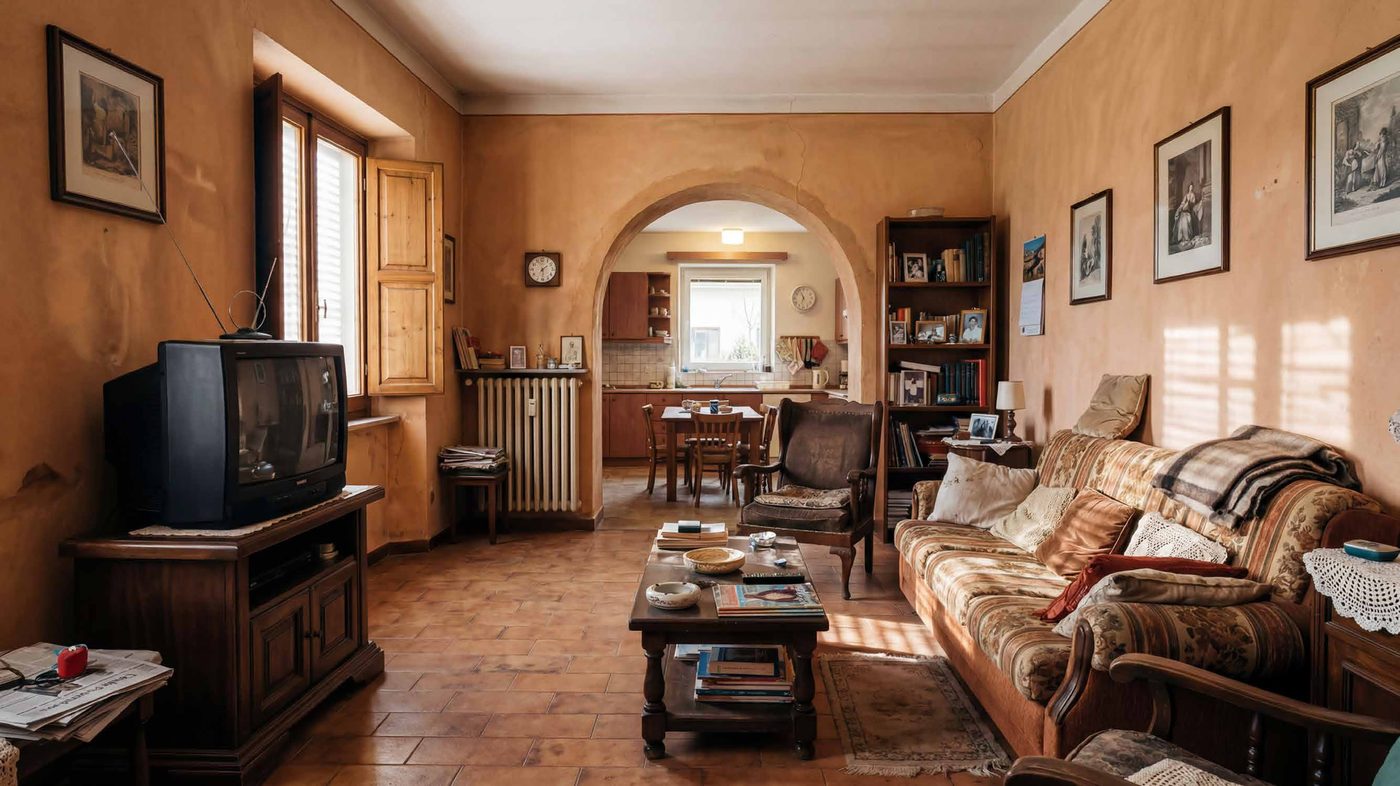
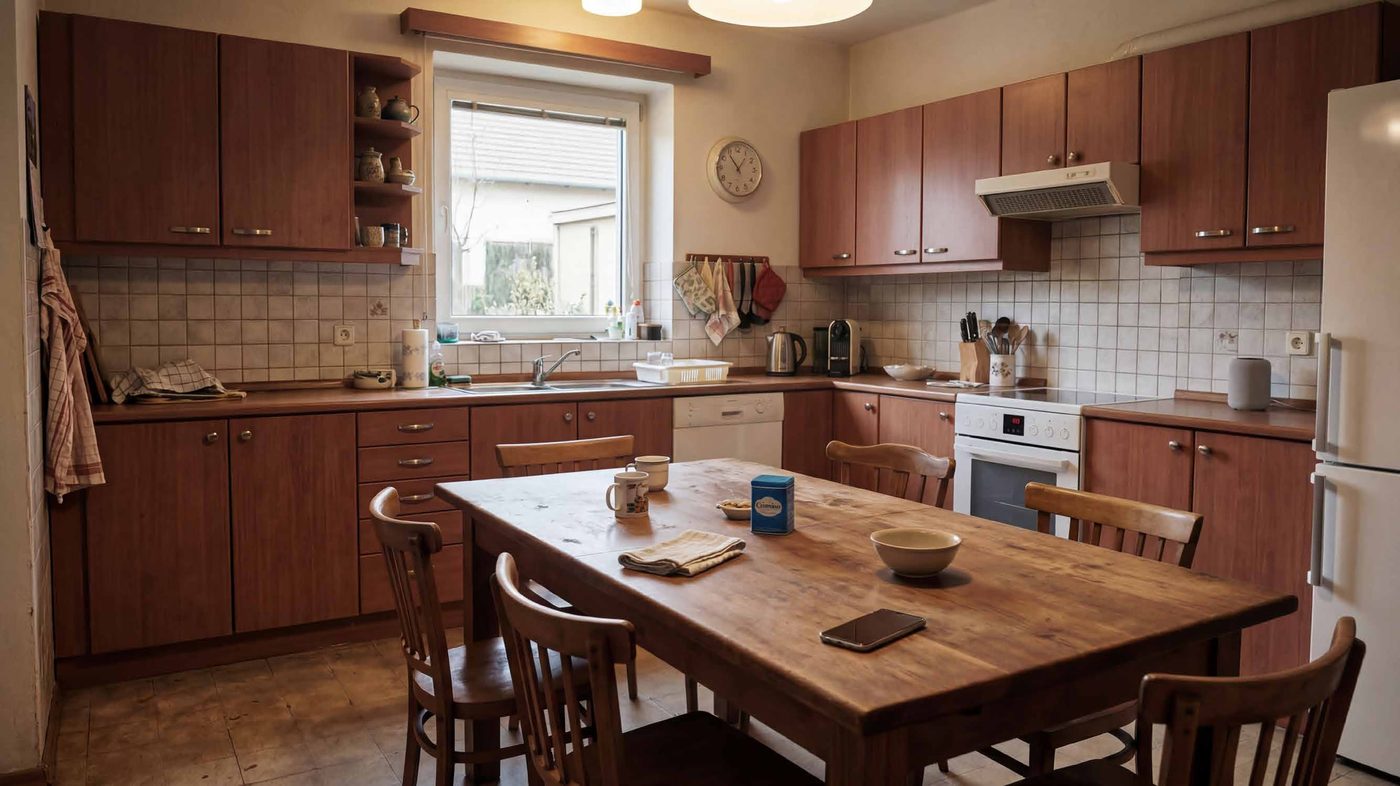
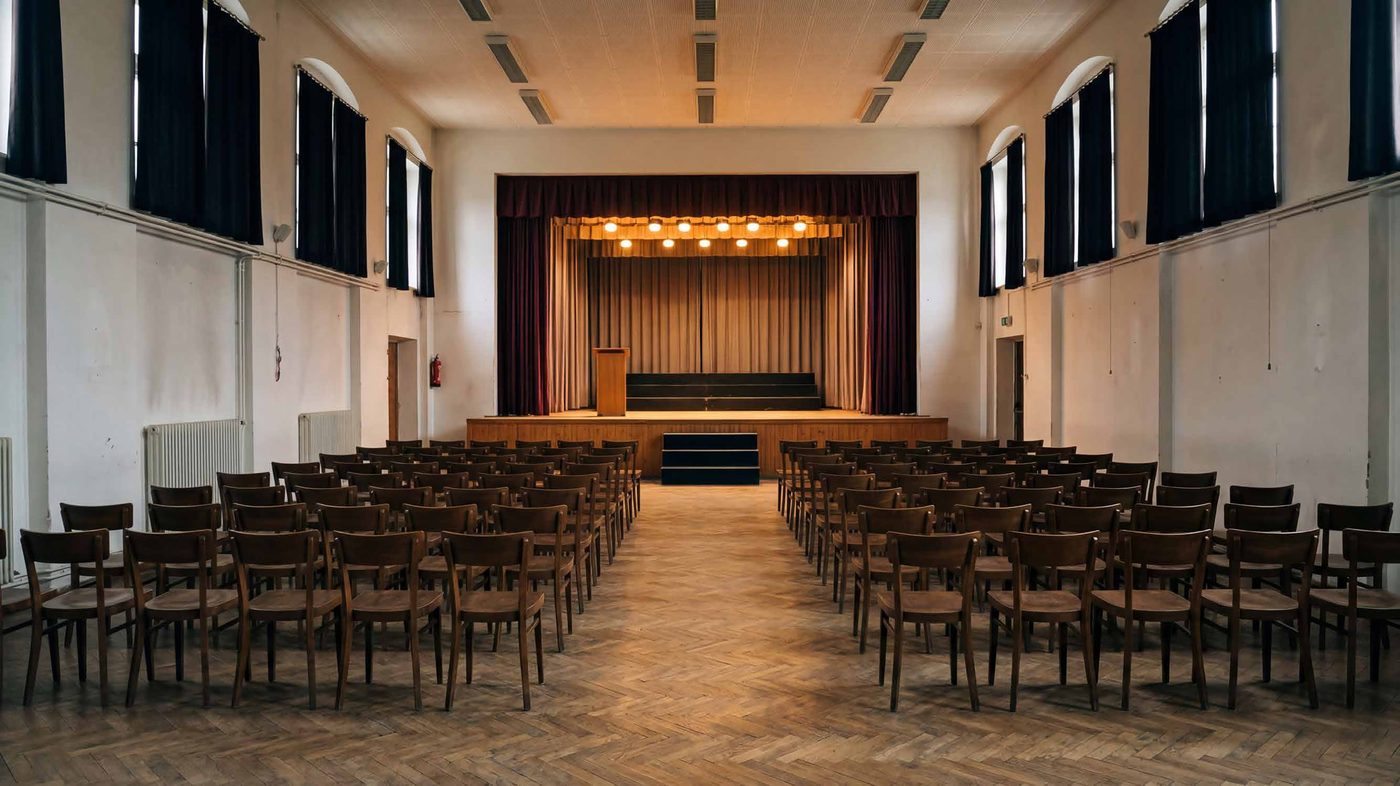
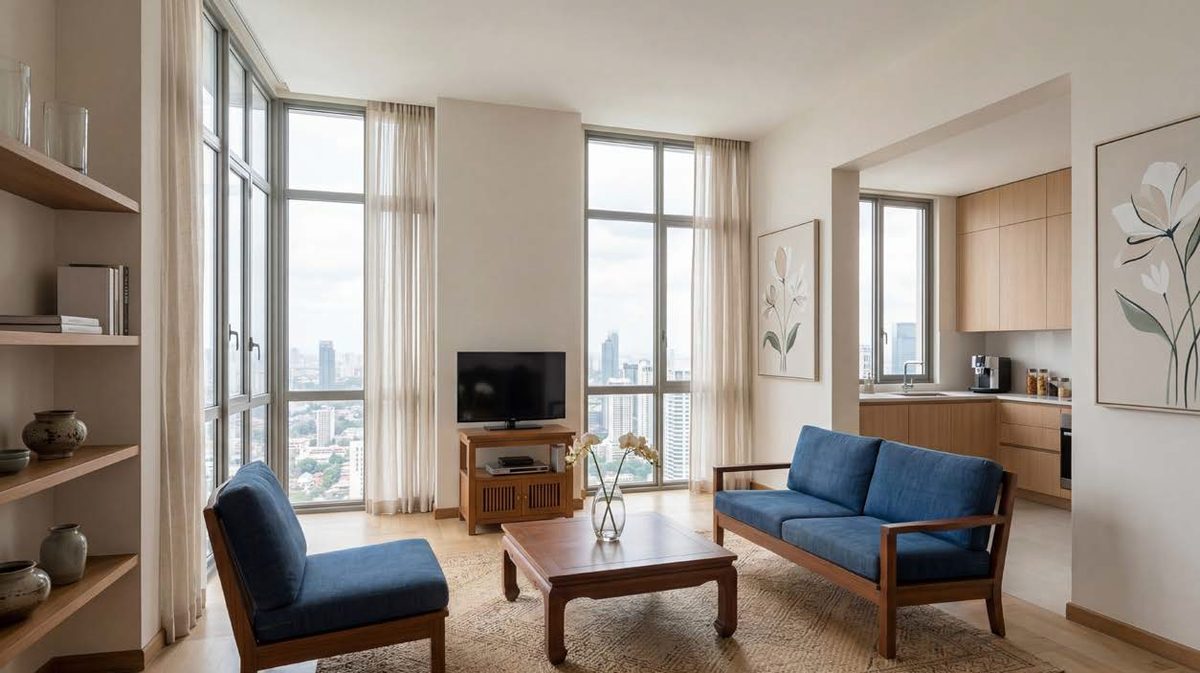
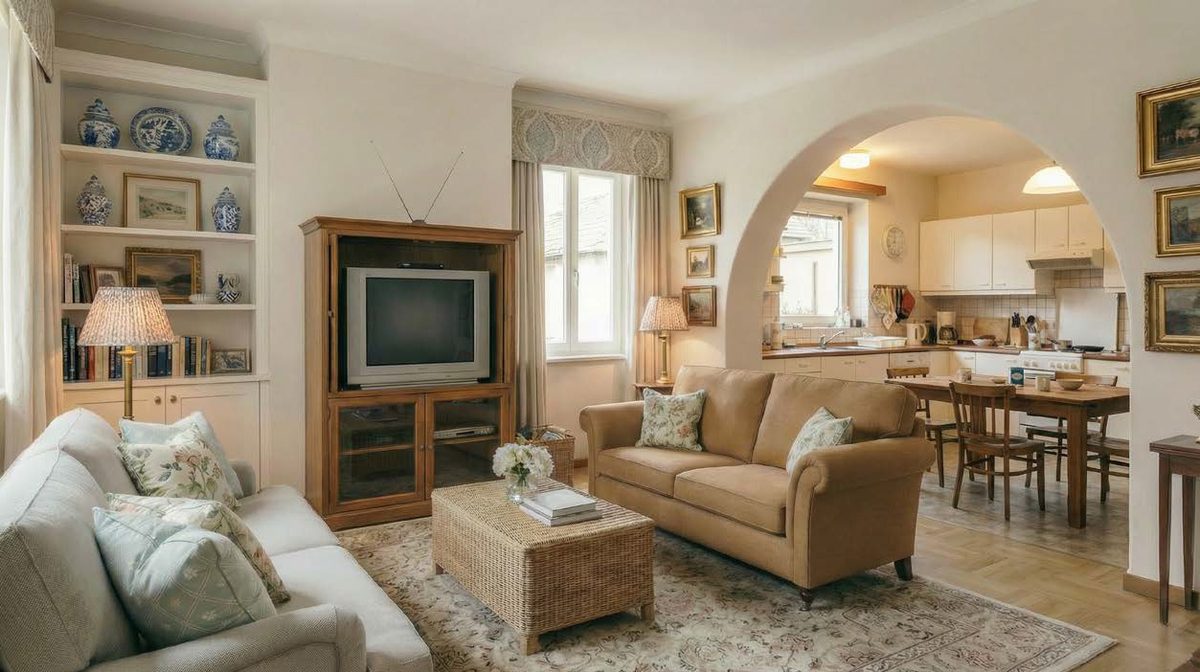
Nine remembered places
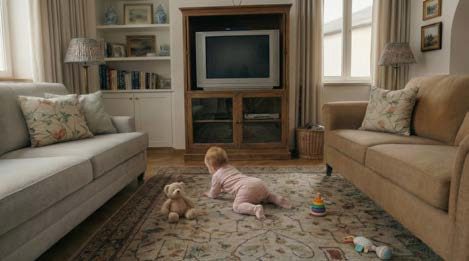
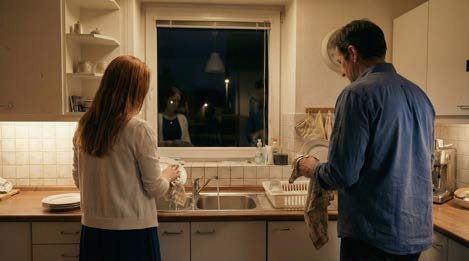
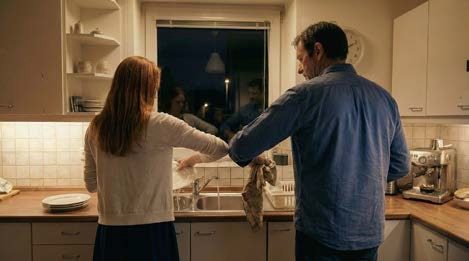
Each space is designed for the moment it holds and for the years it has to carry: the childhood bedroom changes from drawings to band posters to bare paint; the kitchen stays the same table across twenty years.

05 — Storyboard → style frames
Sketch first, then light
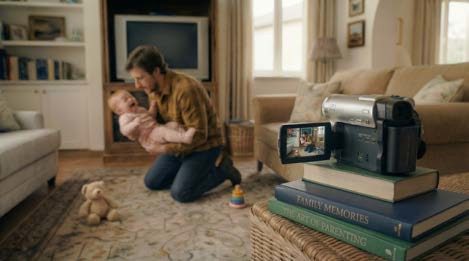
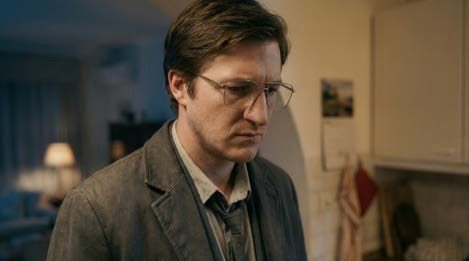
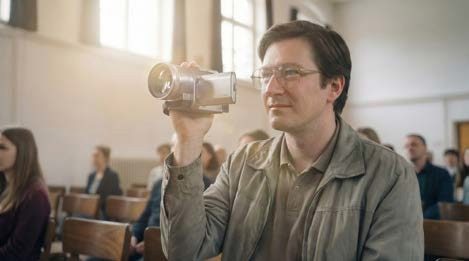
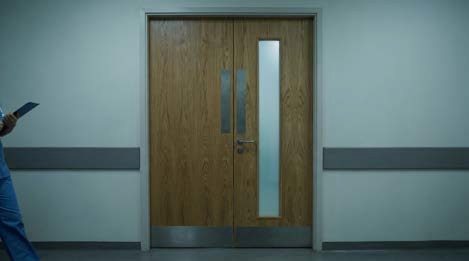
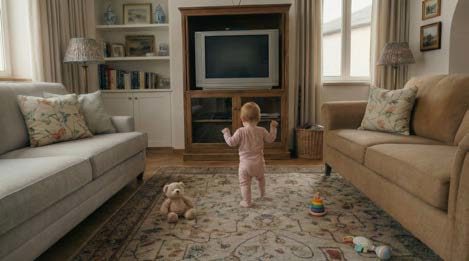
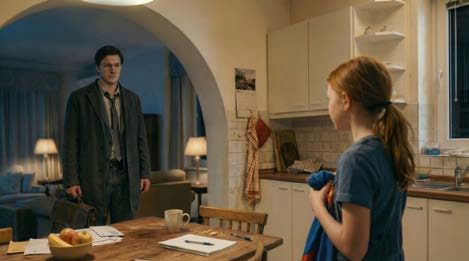
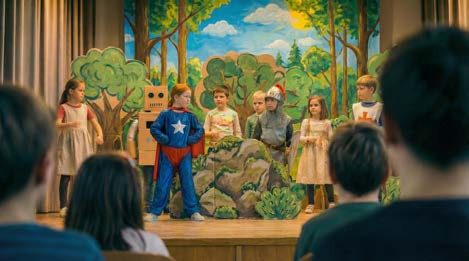
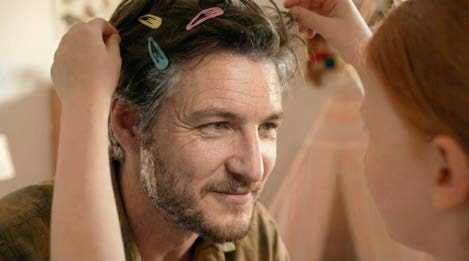
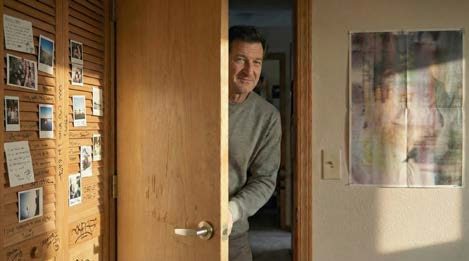
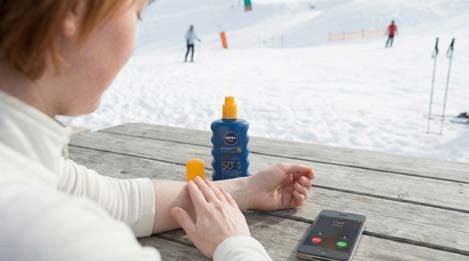
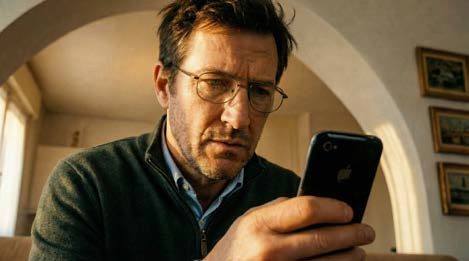
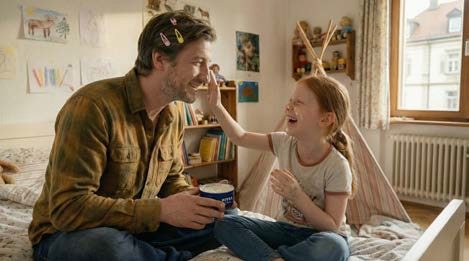
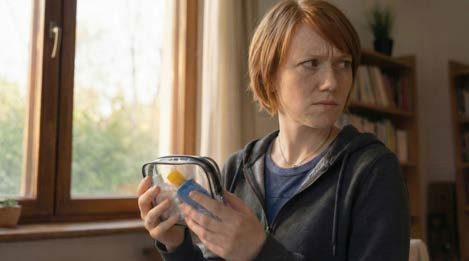
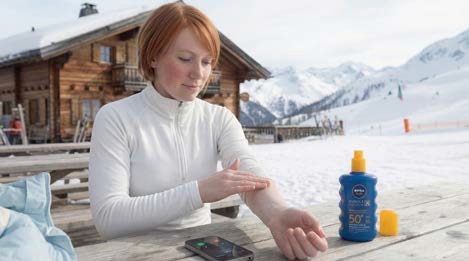
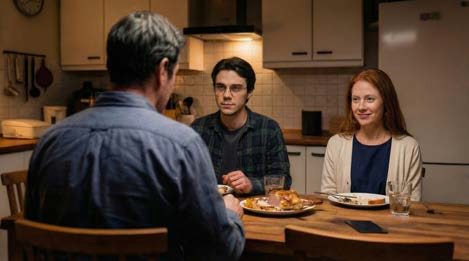
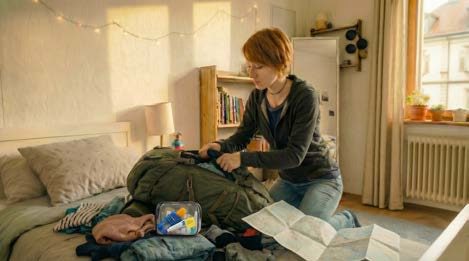
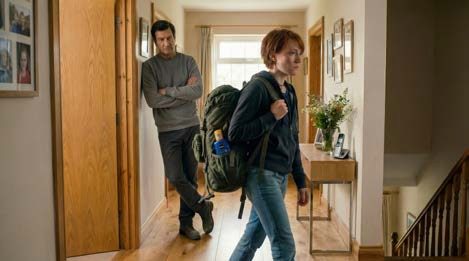
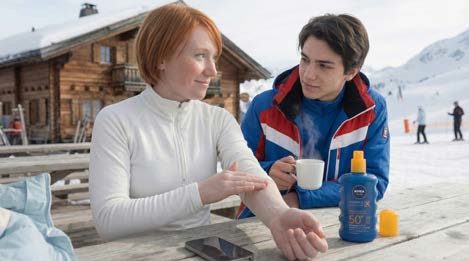
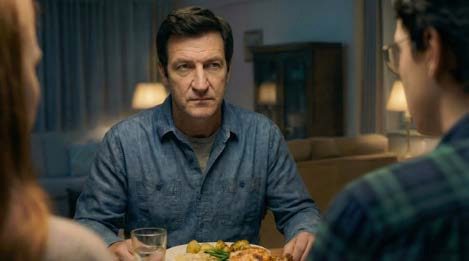
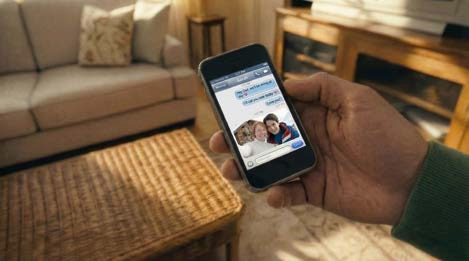
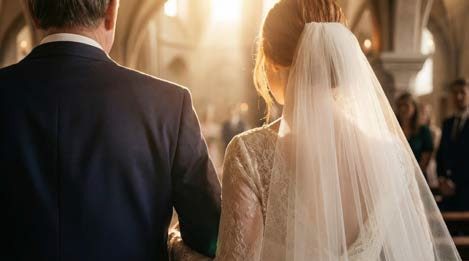
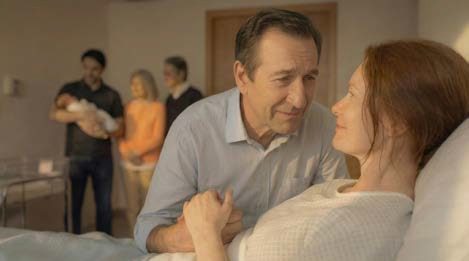
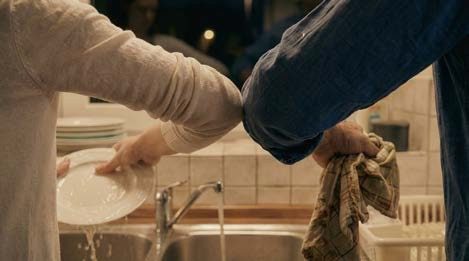
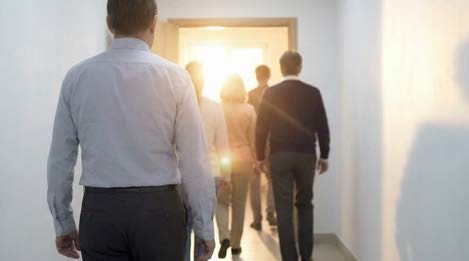
With cast and places fixed, the film is drawn as a sketched storyboard to validate the narrative, then rebuilt shot by shot as a photoreal shooting board. Every style frame answers to its sketch: same framing, same beat, now with light, lens and performance.
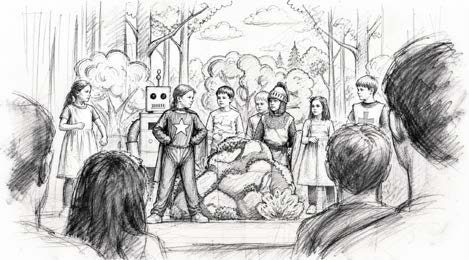
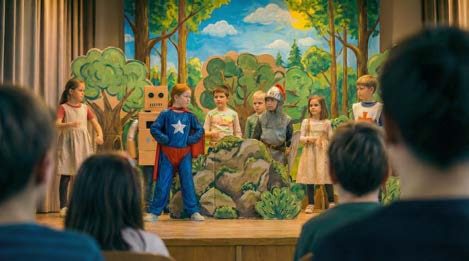
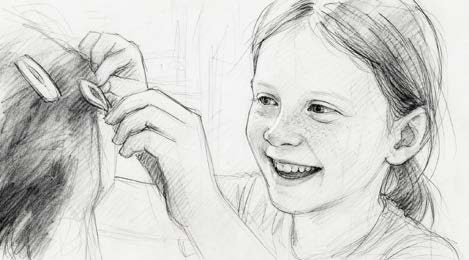
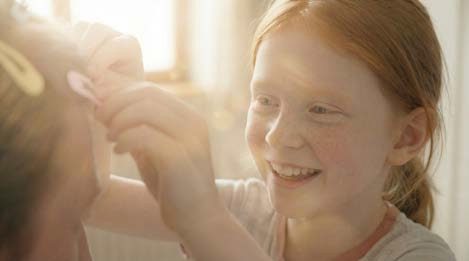
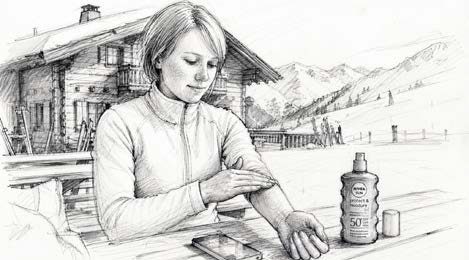
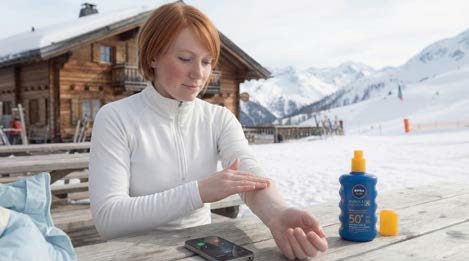
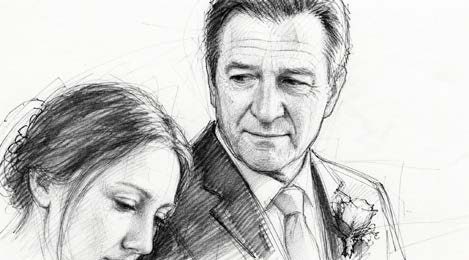
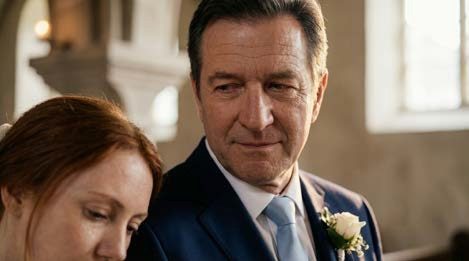
The shooting board
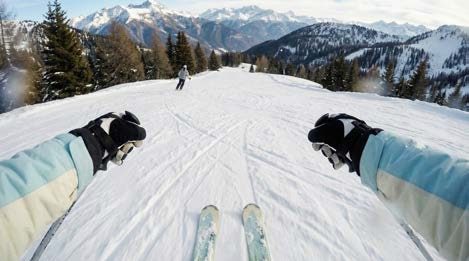
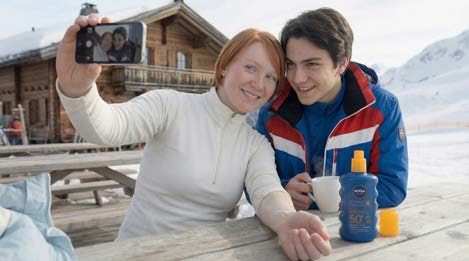
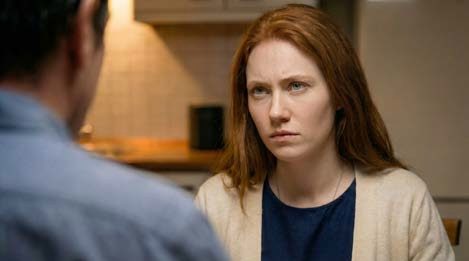
Fifty-two frames, one film
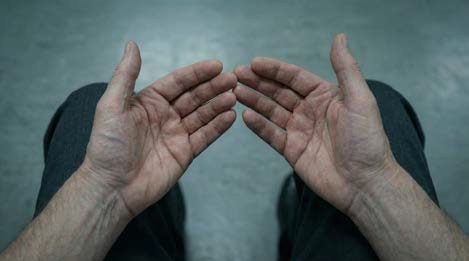
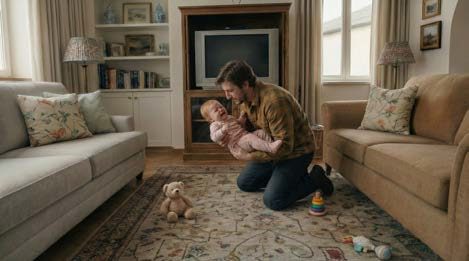
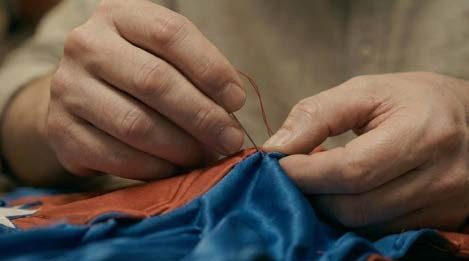
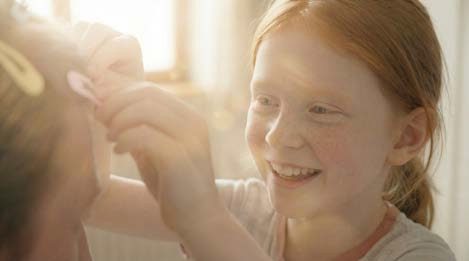
The complete board, in order. Read it as a sequence: the palette cools in the hospital, warms in memory, and the faces age without a single title card.

06 — Frame → motion
The frame is the first frame
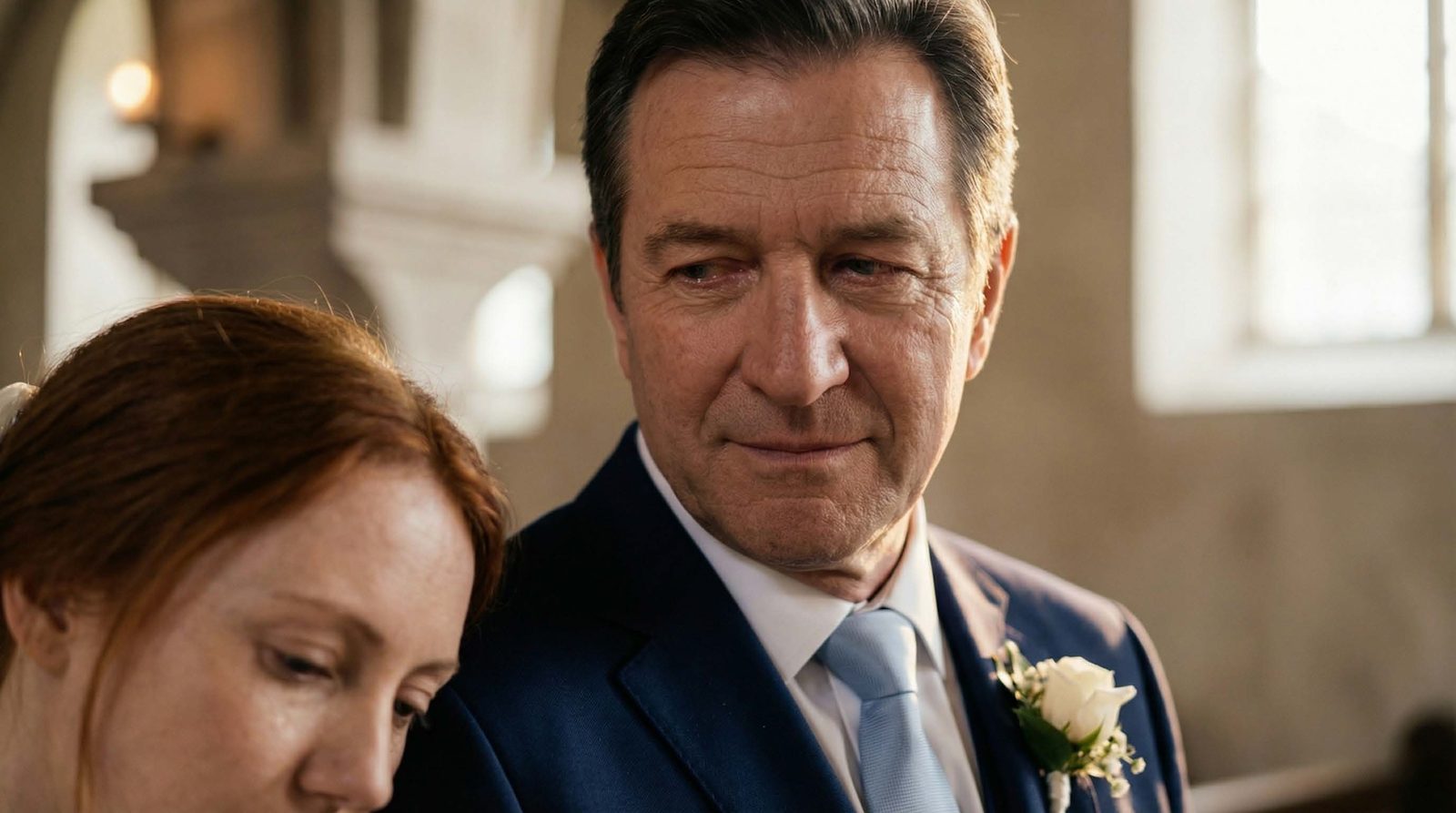
Style frames are not illustrations of the film — they are its source. Each approved frame becomes the first frame of its shot and is brought to life from there, so what gets signed off is what ends up on screen.
07 — Adaptation
Same film, new market
Because characters and places exist as sheets and rules, the film can be rebuilt for another market without starting again. The EMEA version was regenerated for Thailand from the same workflow — new faces, same story, same frames.
Credits — Creative Director: Greg Rattazzi · AI Artist: Tamas Olajos · Treatment, casting & art direction: Enrico Poli. Made at Publicis Groupe UK with Nano Banana Pro and Kling 3.0. The finished film is not shown here — available on request.
Open channel
Let’s build something people step into.
Narrative, worlds and immersive experiences — from concept to prototype. Remote from Italy, or on site.
epoli.uk@gmail.com