World design · Character · Game
Plusso
Plusnet’s mascot, built to travel: a character who stays himself in other people’s hands.
Drawn, measured and given rules; set in a world of real British homes; then turned into a fighting game starring the team who made him. Still Plusso.
The idea
When anyone can generate a beautiful image, content stops setting a brand apart.
People don’t just watch any more. They make things, and put themselves in them.
So a brand’s value moves to the pieces people choose to take into what they make.
Plusso was built as one of those pieces: a character who stays himself in other people’s hands.
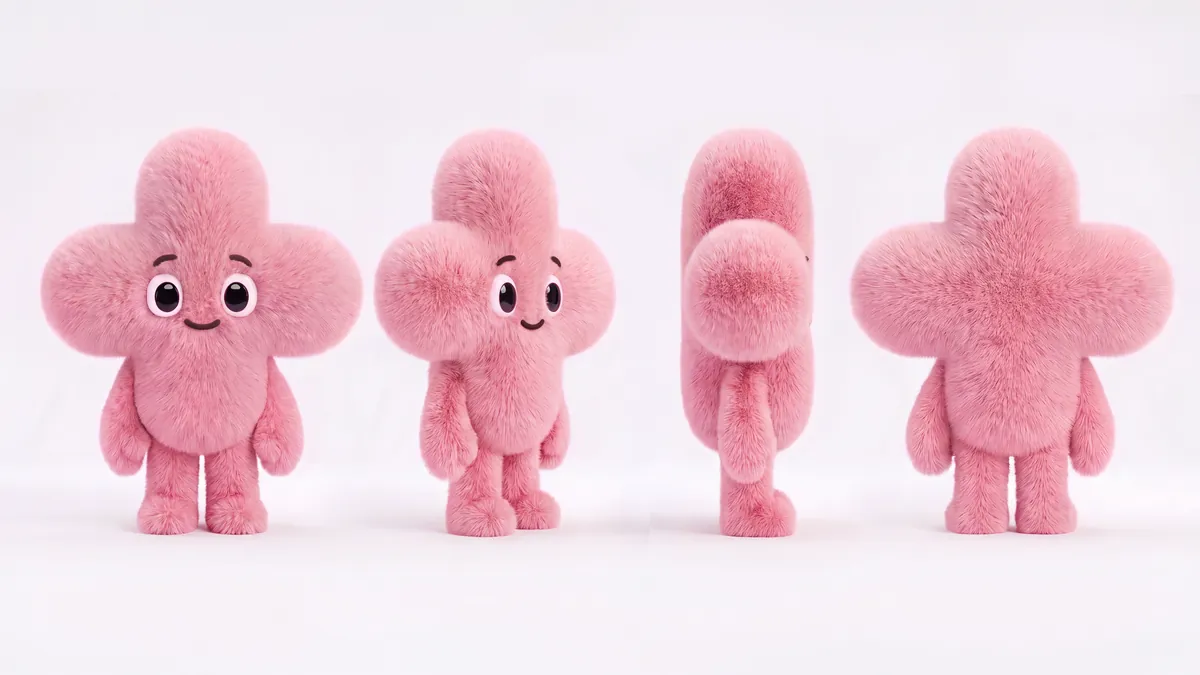
Chapter 01
The brief
Plusnet had a pink mascot in testing. To travel, he first had to be one character, every time.
01 · Before
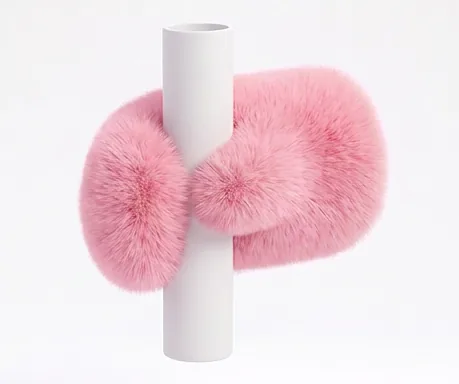
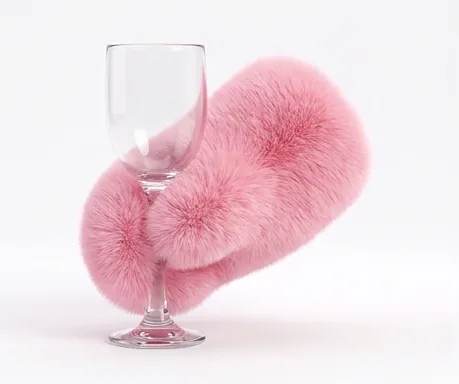
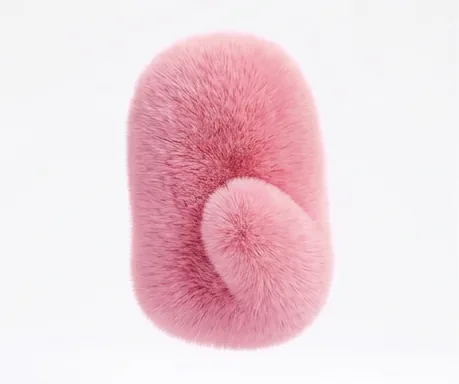
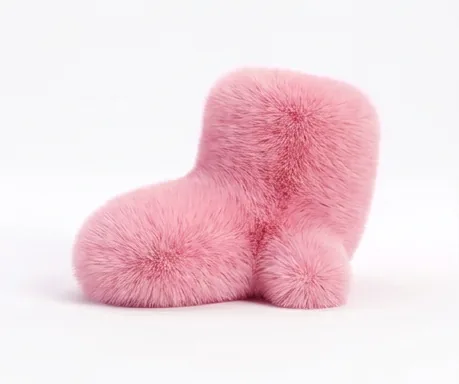
Before: Plussie
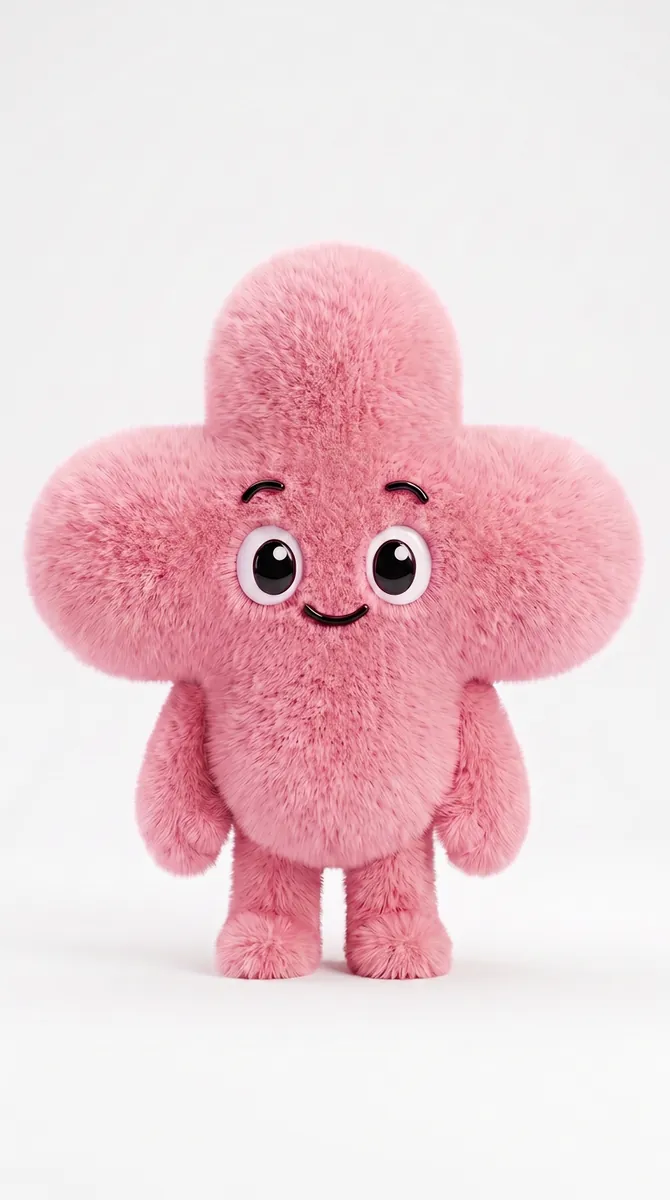
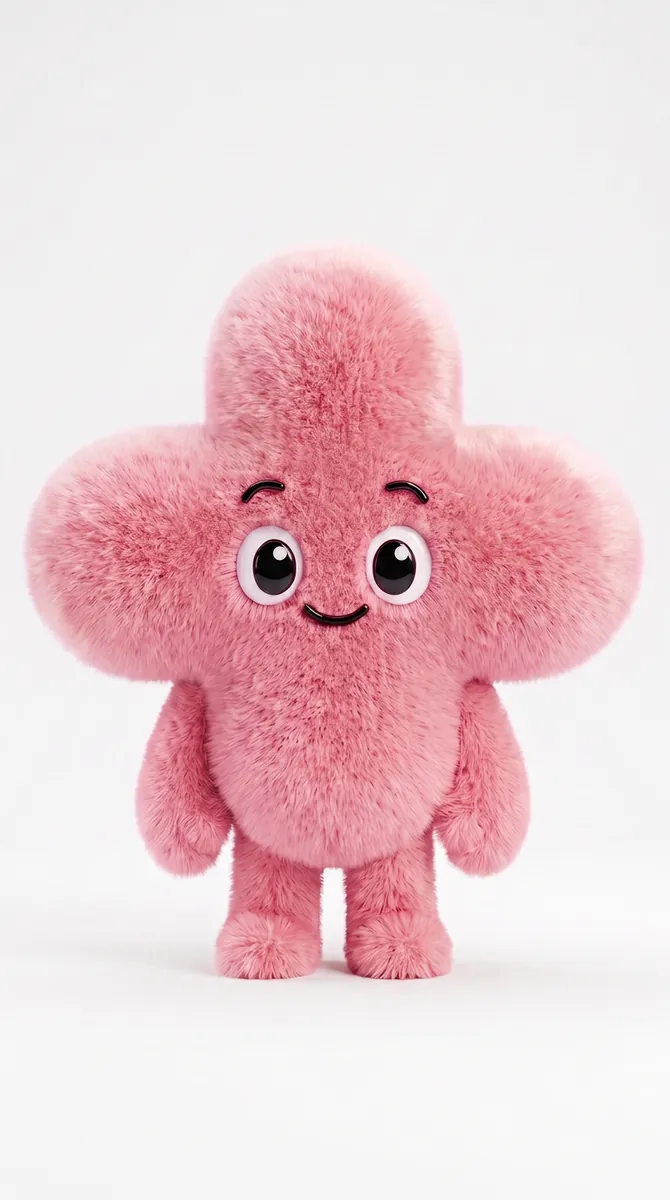
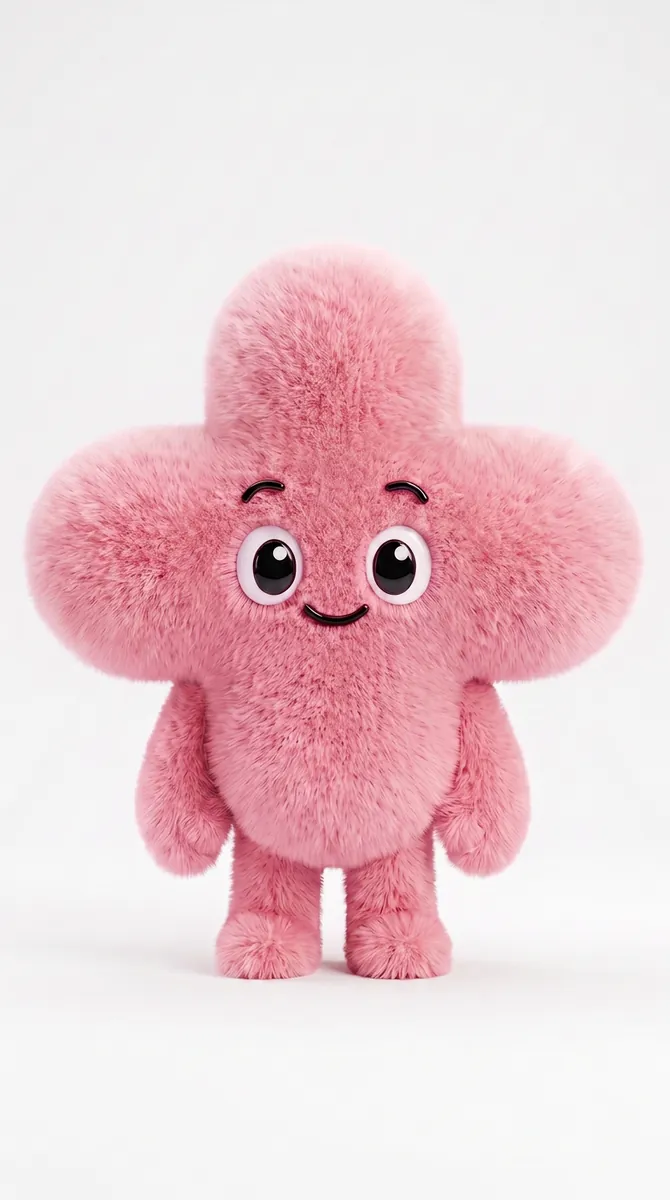
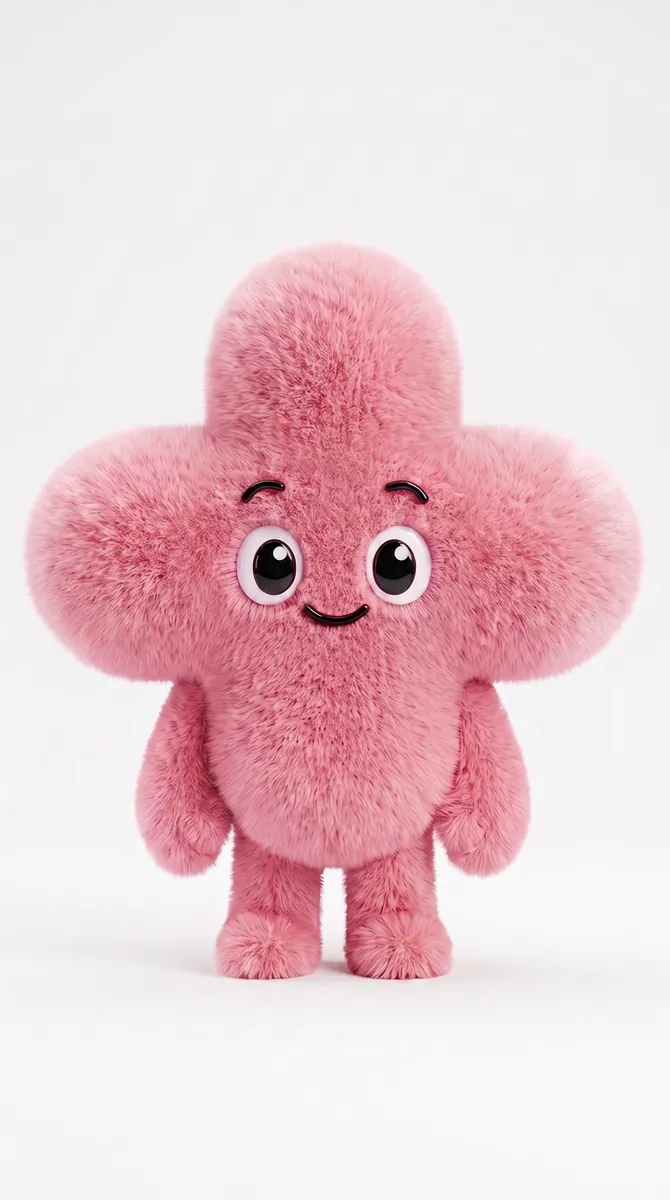
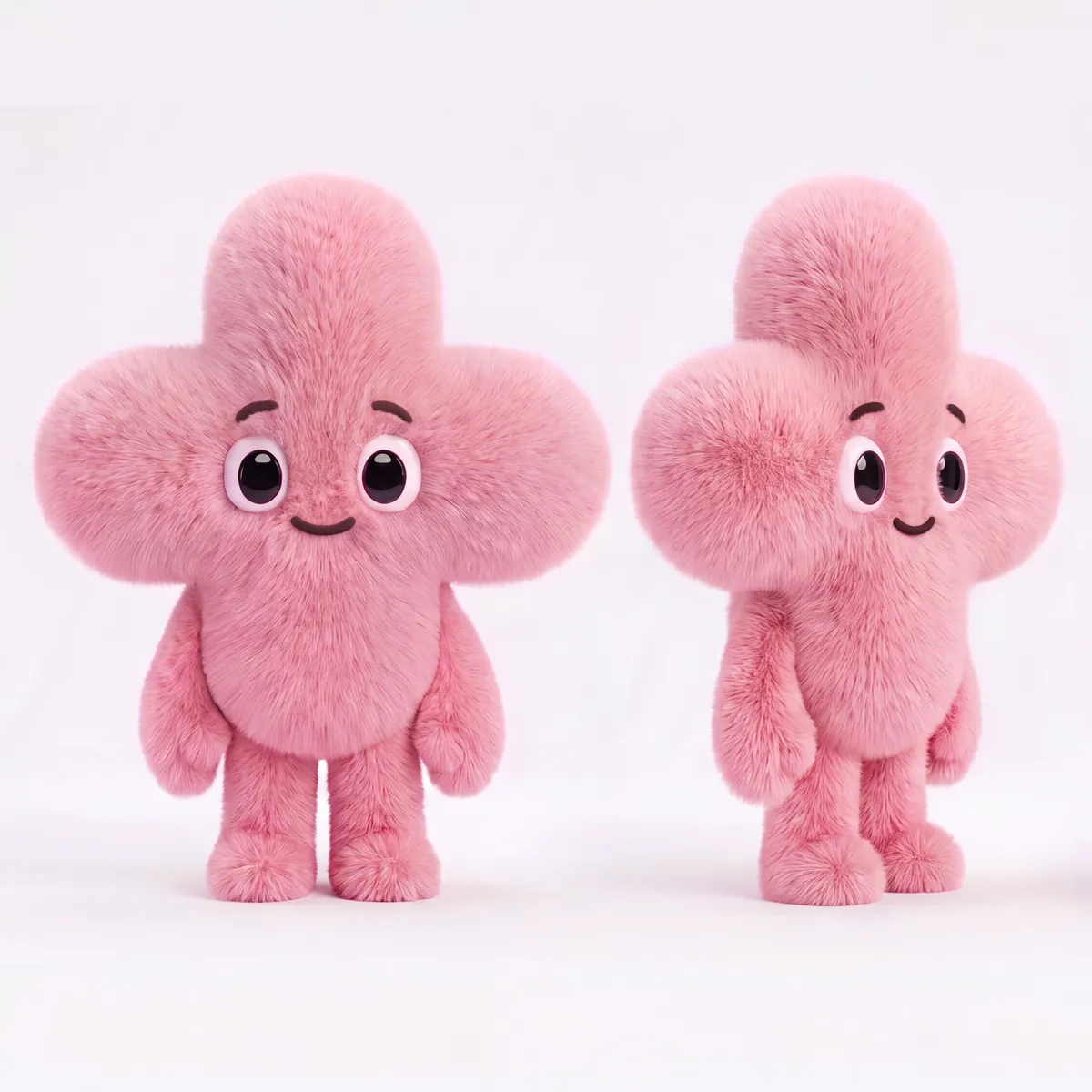
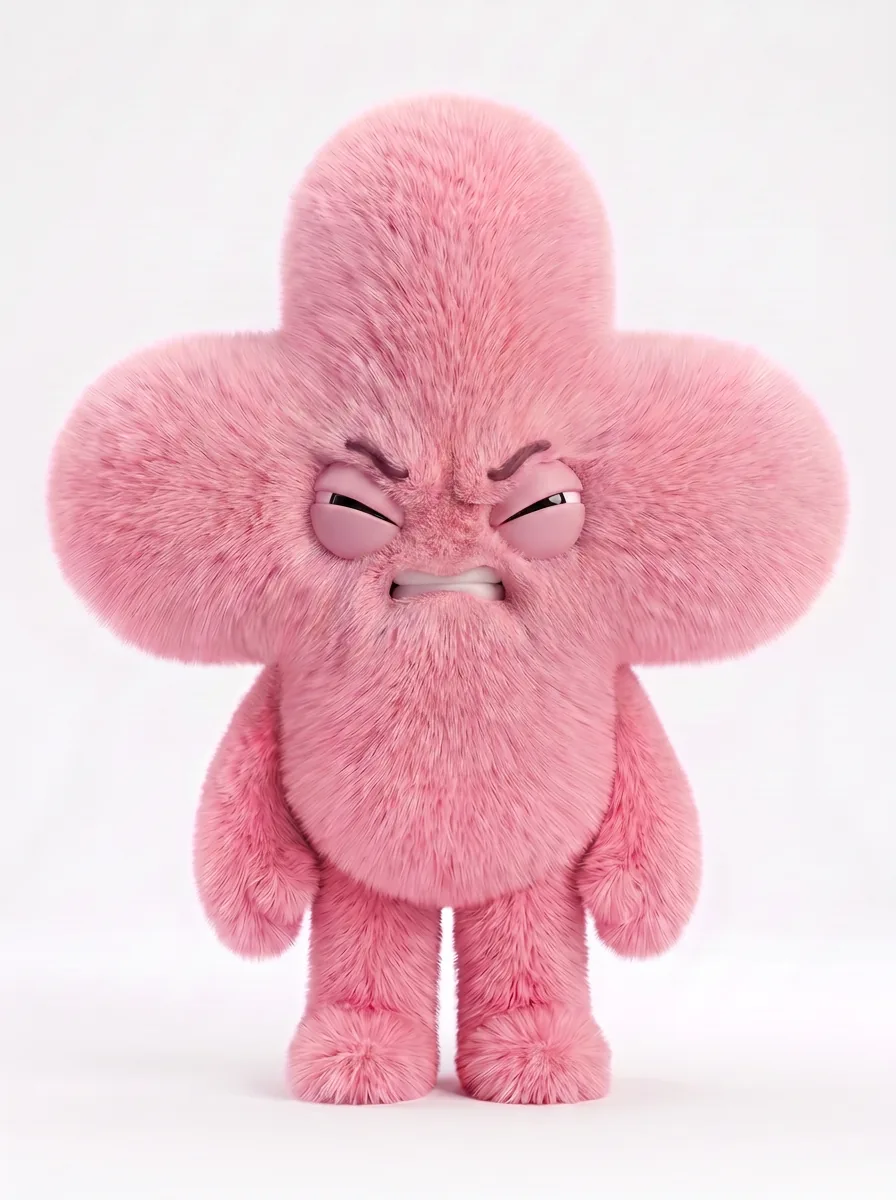
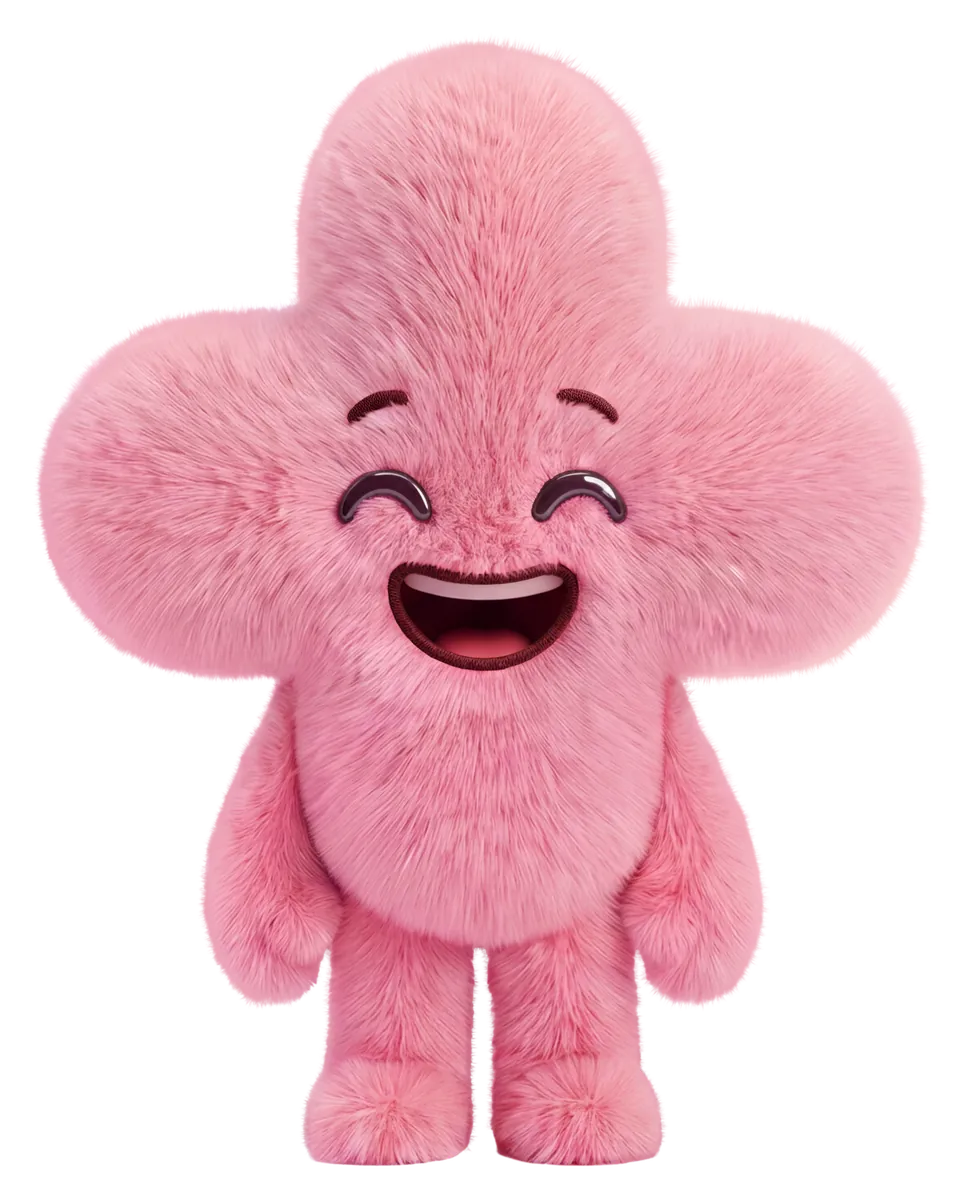
Before development, the character existed as Plussie, in stimulus for testing.
Lovable, but a different creature in every image: a cloud of fur here, a plus there, a new face each time. Fine for a test. Not a character you can cast in a campaign.
Private · password
The Plussie stimulus
Four images of the character as it was in testing, before development started.
One password opens everything private on this page, the 3D worlds and Plusso Fighter.
No password? Ask me for one.
Don’t redesign him. Decide what makes him him.

Chapter 02
Character development
From a pencil line to an approved, measured character with a face, hands and a walk.
None of this is here to make him pretty. It is what makes him portable: rules that keep him himself, whoever makes the image.
02 · Anatomy
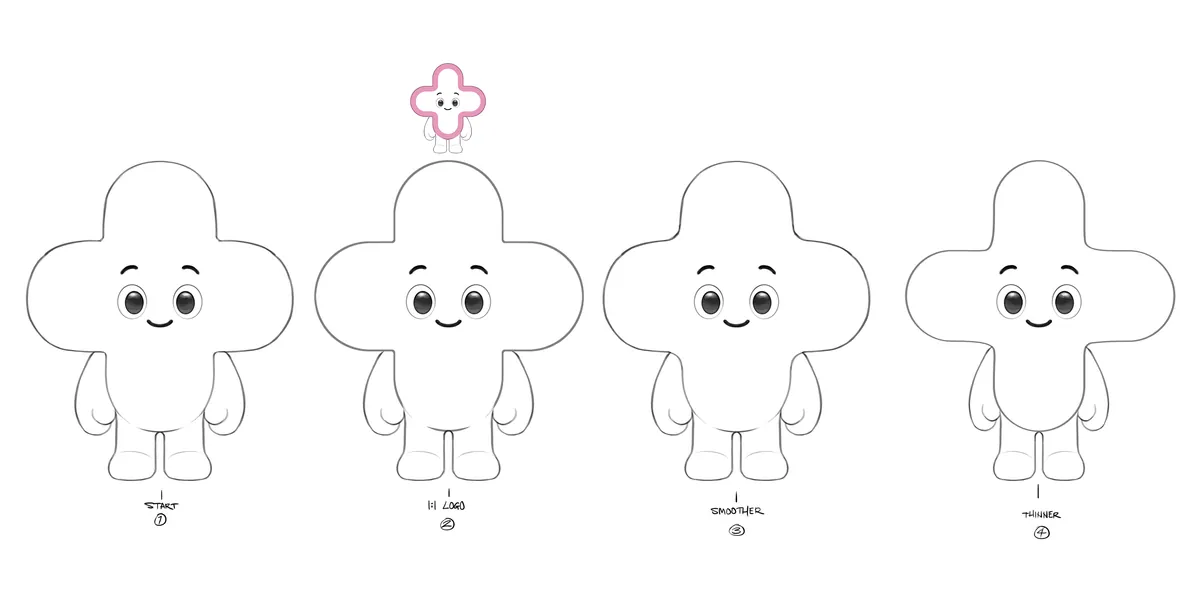
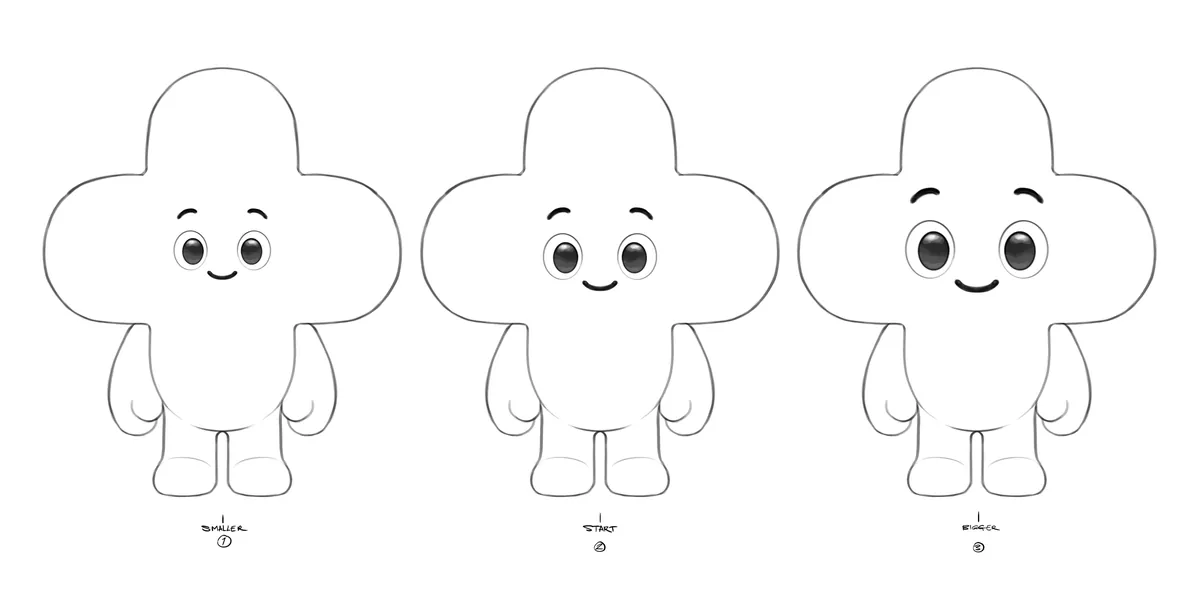
It started on paper
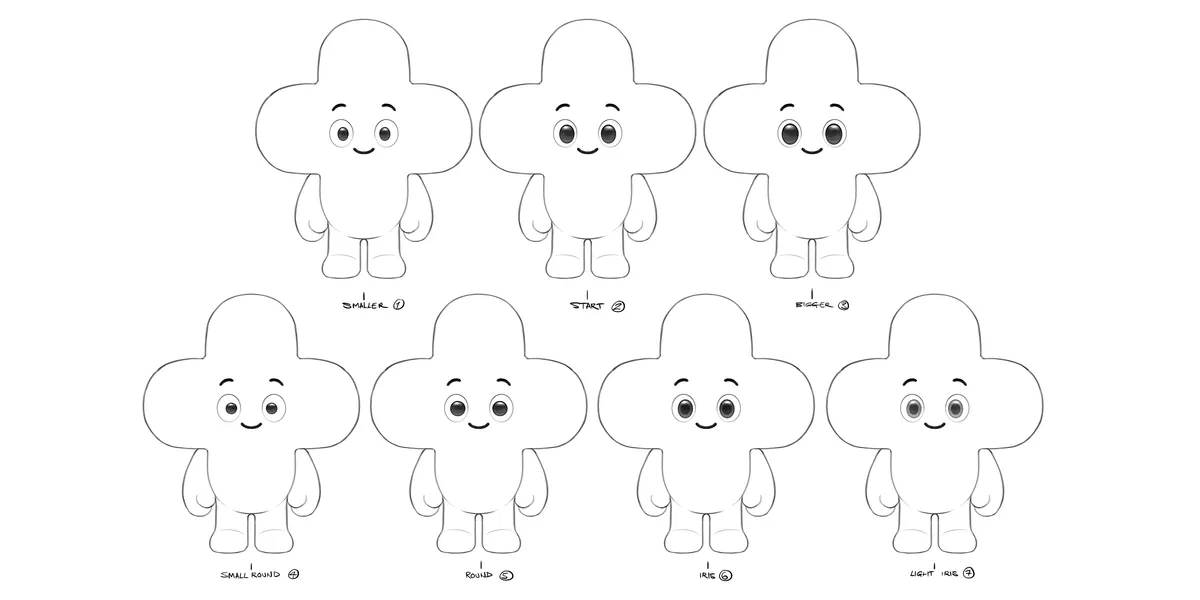
Each sheet changes one thing and holds the rest: how round the plus is, how big the face sits on it, how long the arms and legs run.
The rule that came out of it: the plus silhouette is never up for negotiation. Everything else serves it.
Drawings by sketch artist David Neale.

02 · Eyes
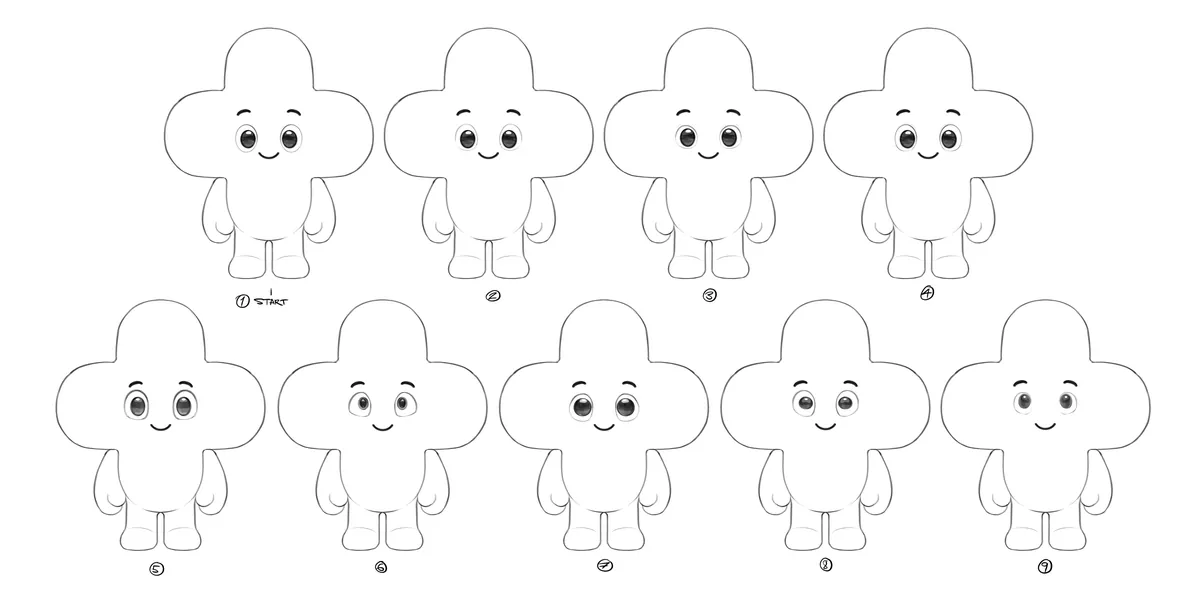
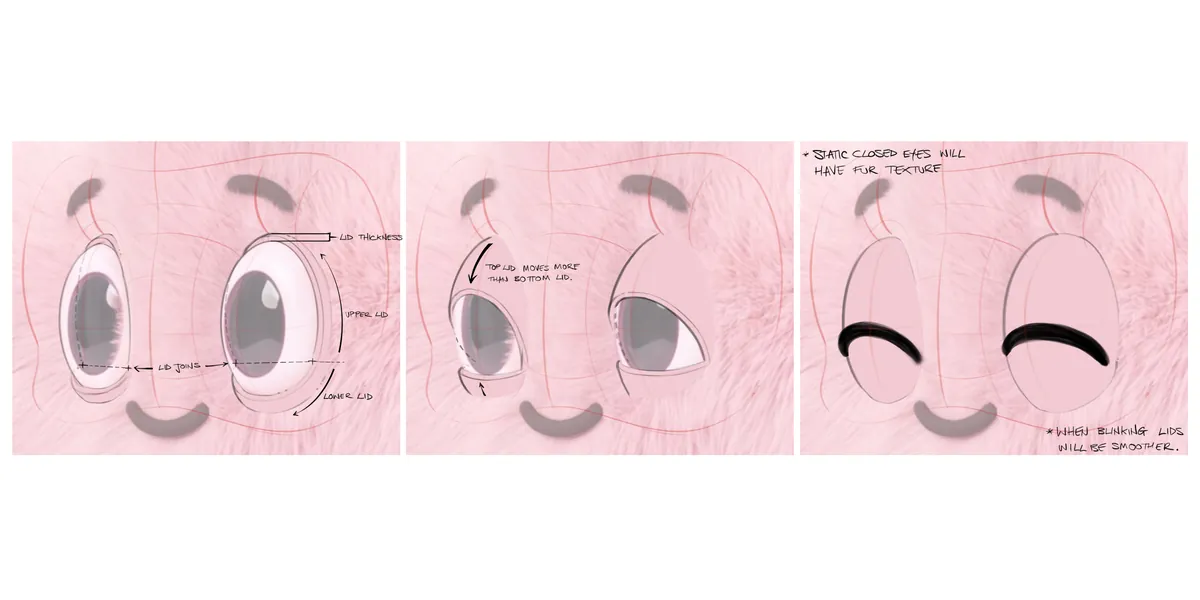
Eyes: where the warmth lives
Close up, then at full body, then pupil and iris.
Settled: the pupil fills the eye. A white rim all round reads as a doughnut and goes dead.

02 · Brows and mouth
Brows and mouth: tiny shapes, big feelings
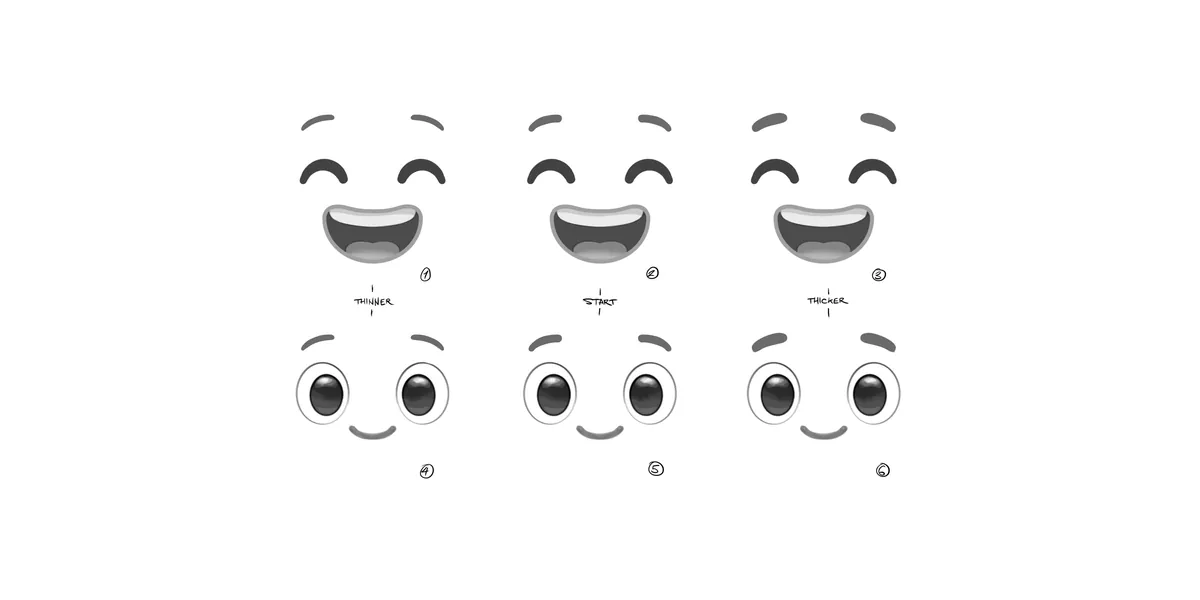
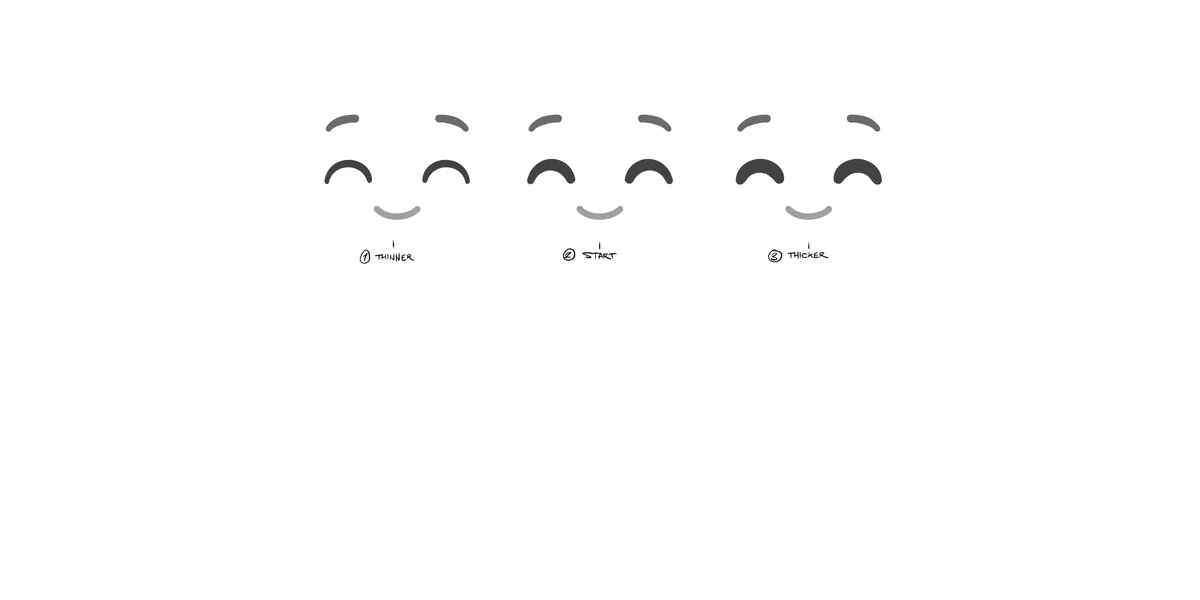
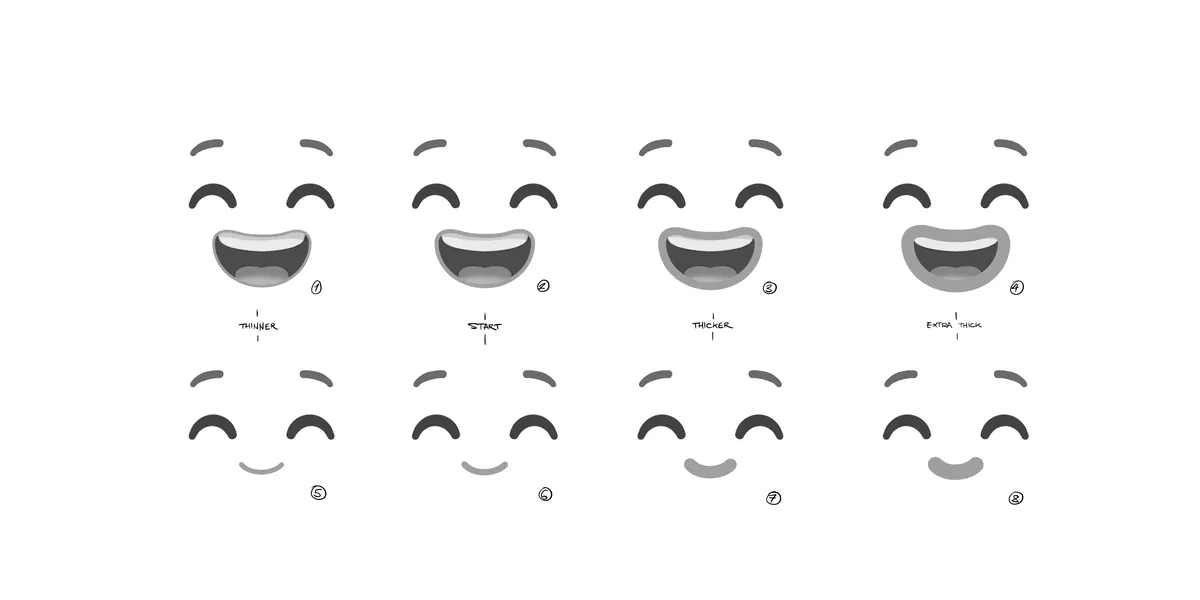
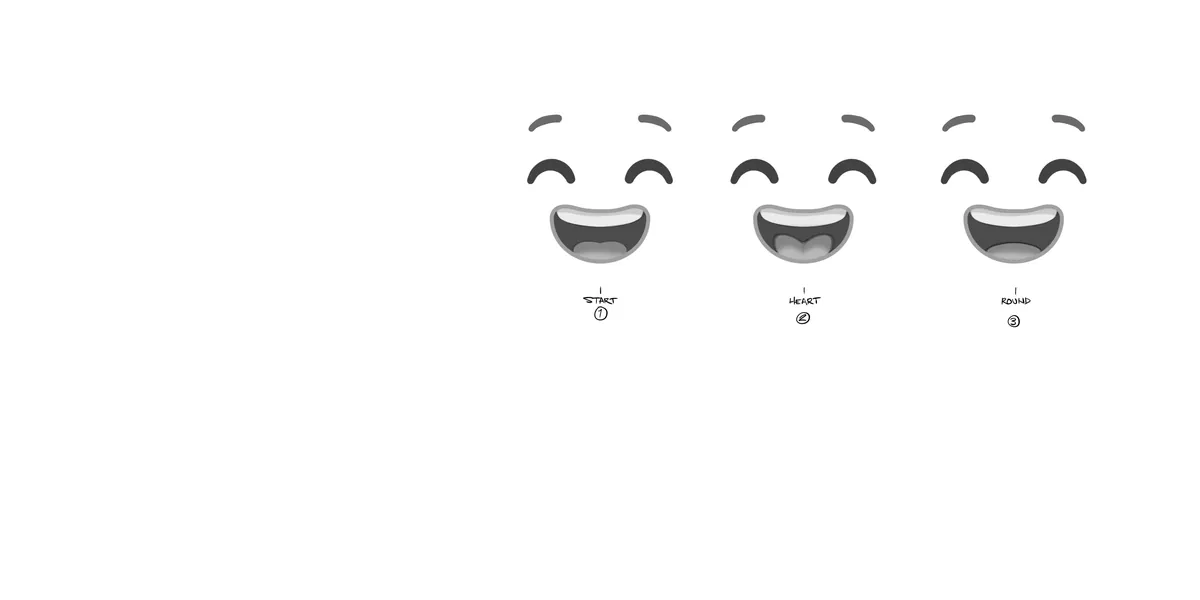
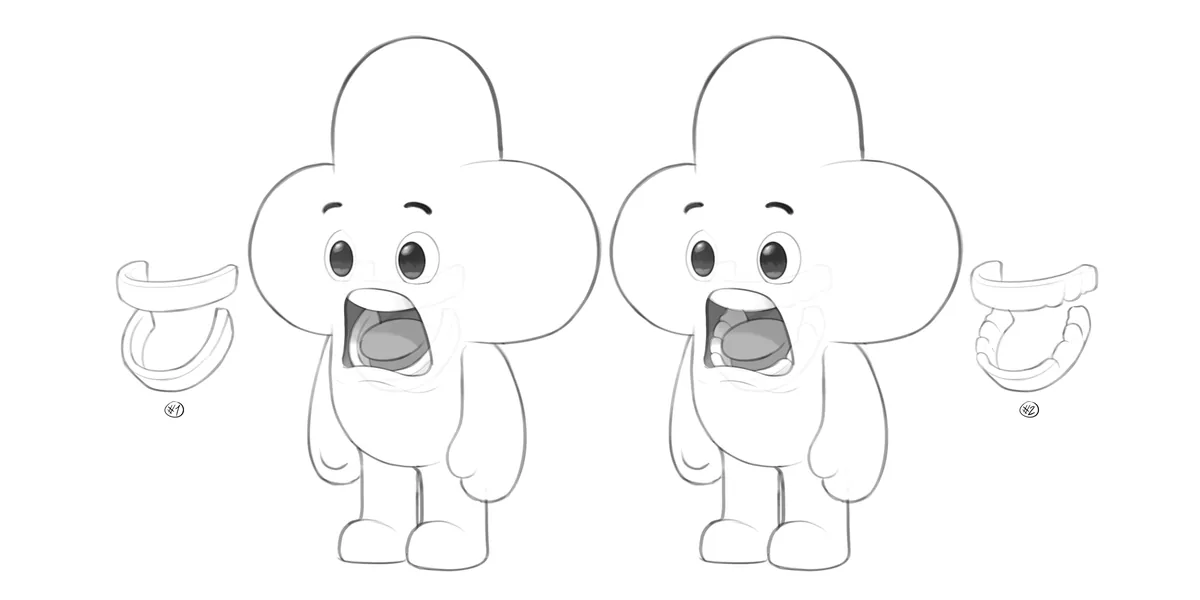
- Brows and mouth are thin dark lozenges stuck onto the fur, never hairy, shiny or embroidered.
- Brow height out of line reads curious. Brow angle reads sassy. Inner ends up is sad; inner ends down is cross.
- Lip thickness became the rule for the open mouth.
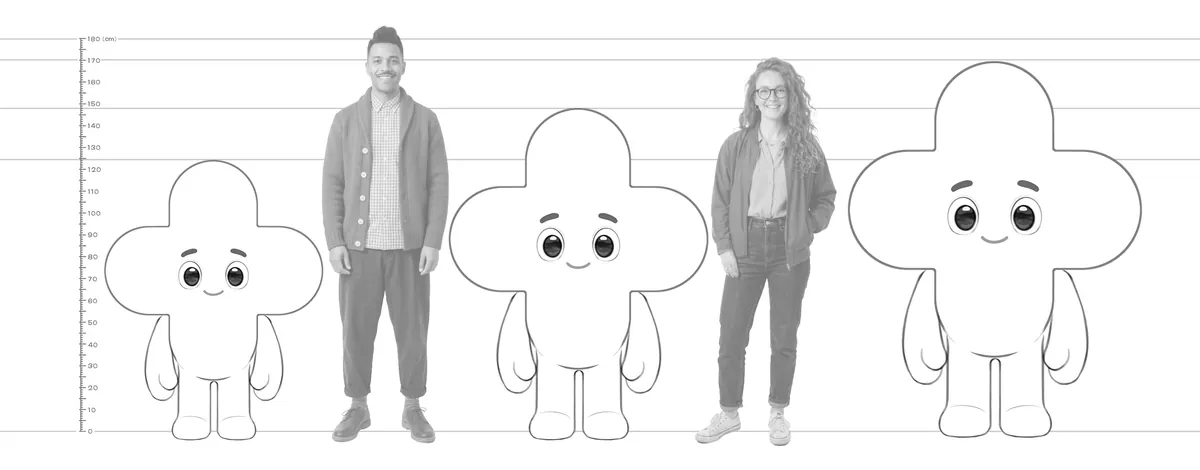
02 · Scale and hands
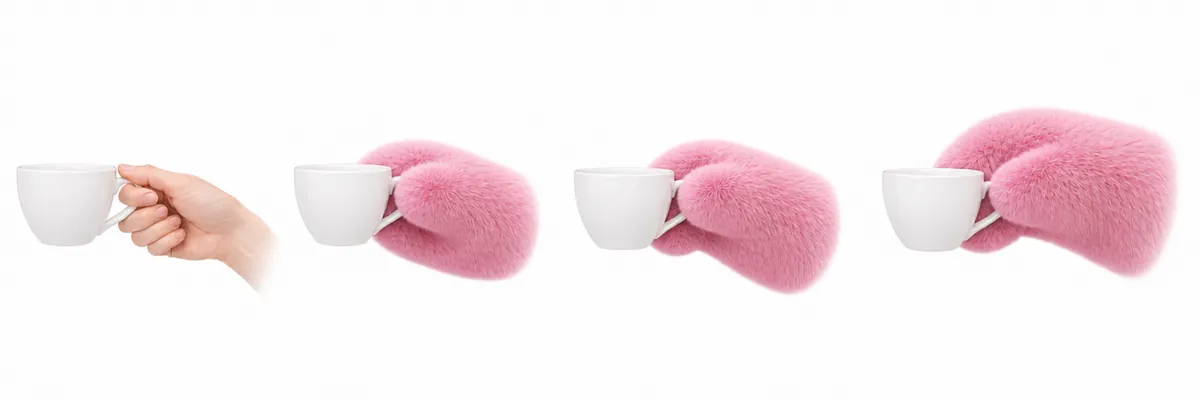
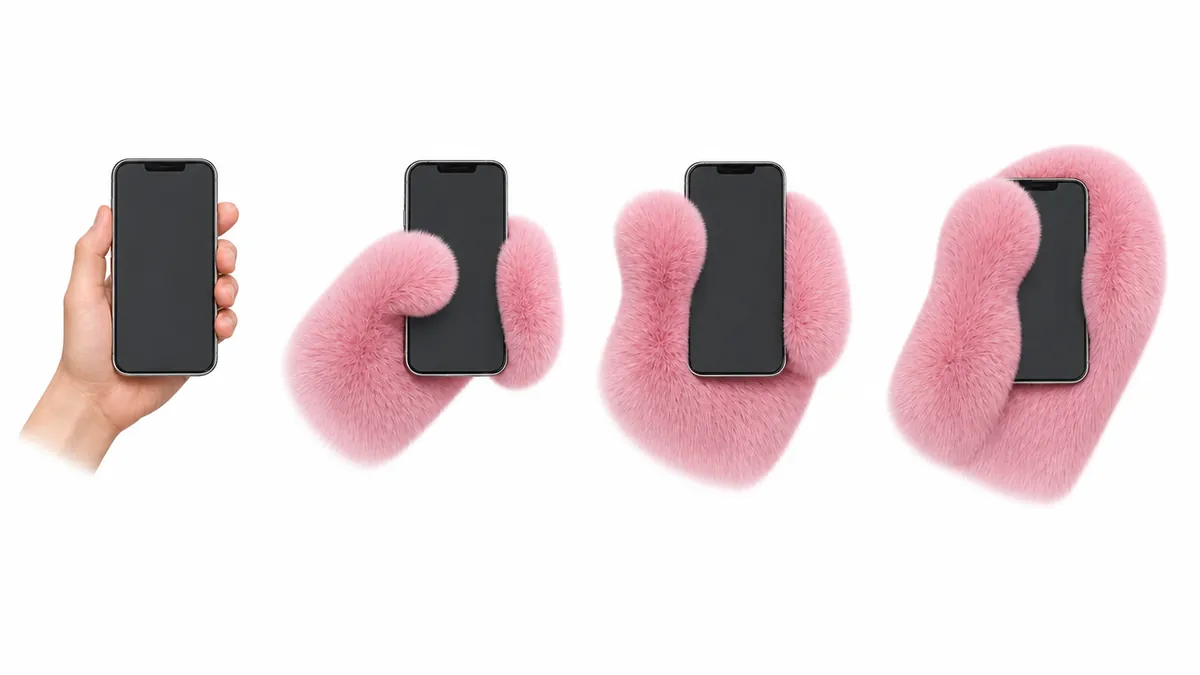
How big is he? How does he hold a mug?
146 cm is the agreed height: shoulder height to an adult.


02 · Fur
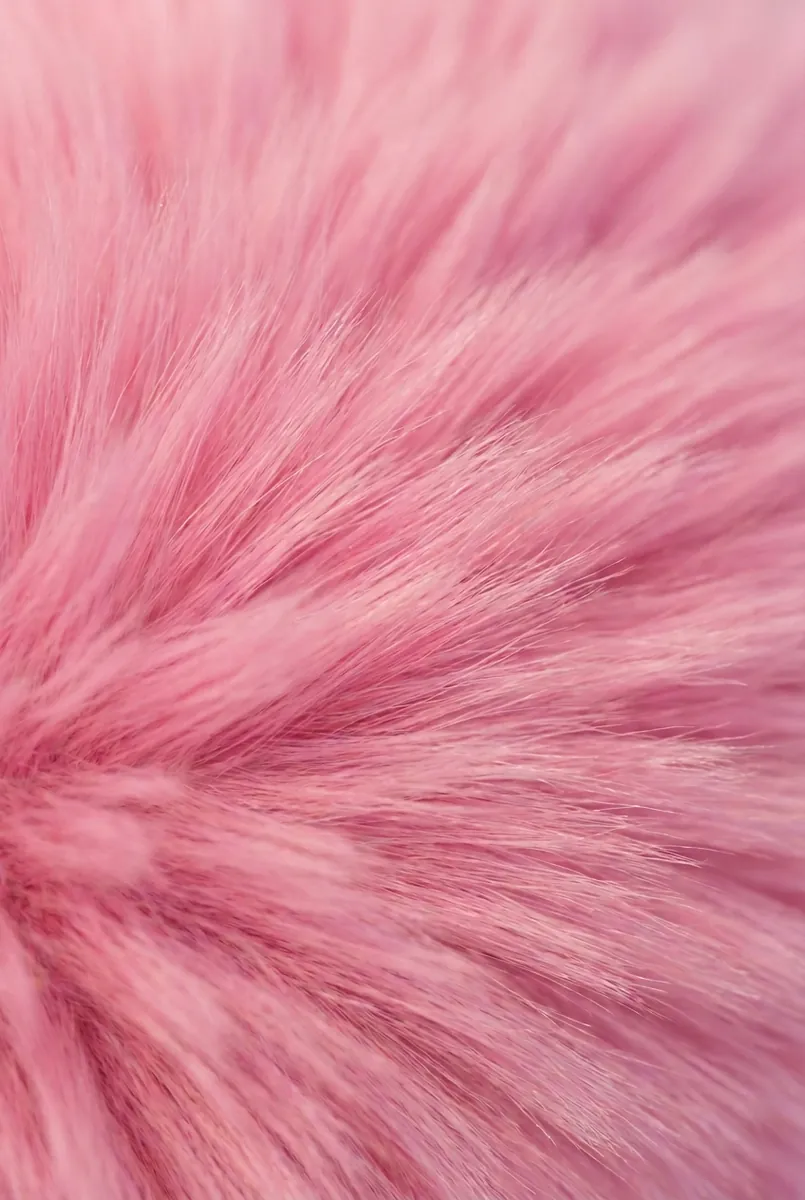
Fur: strokable, like a cat
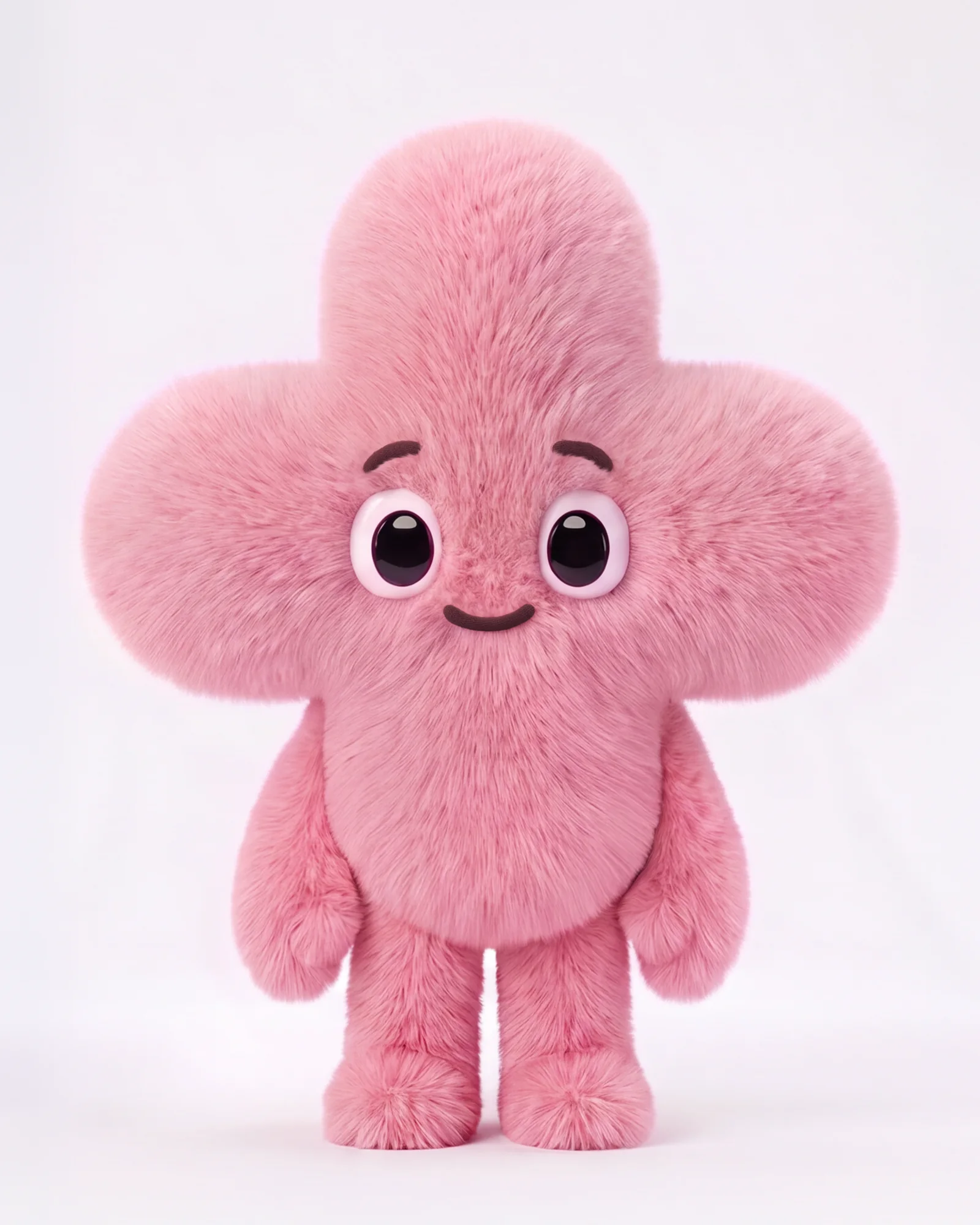
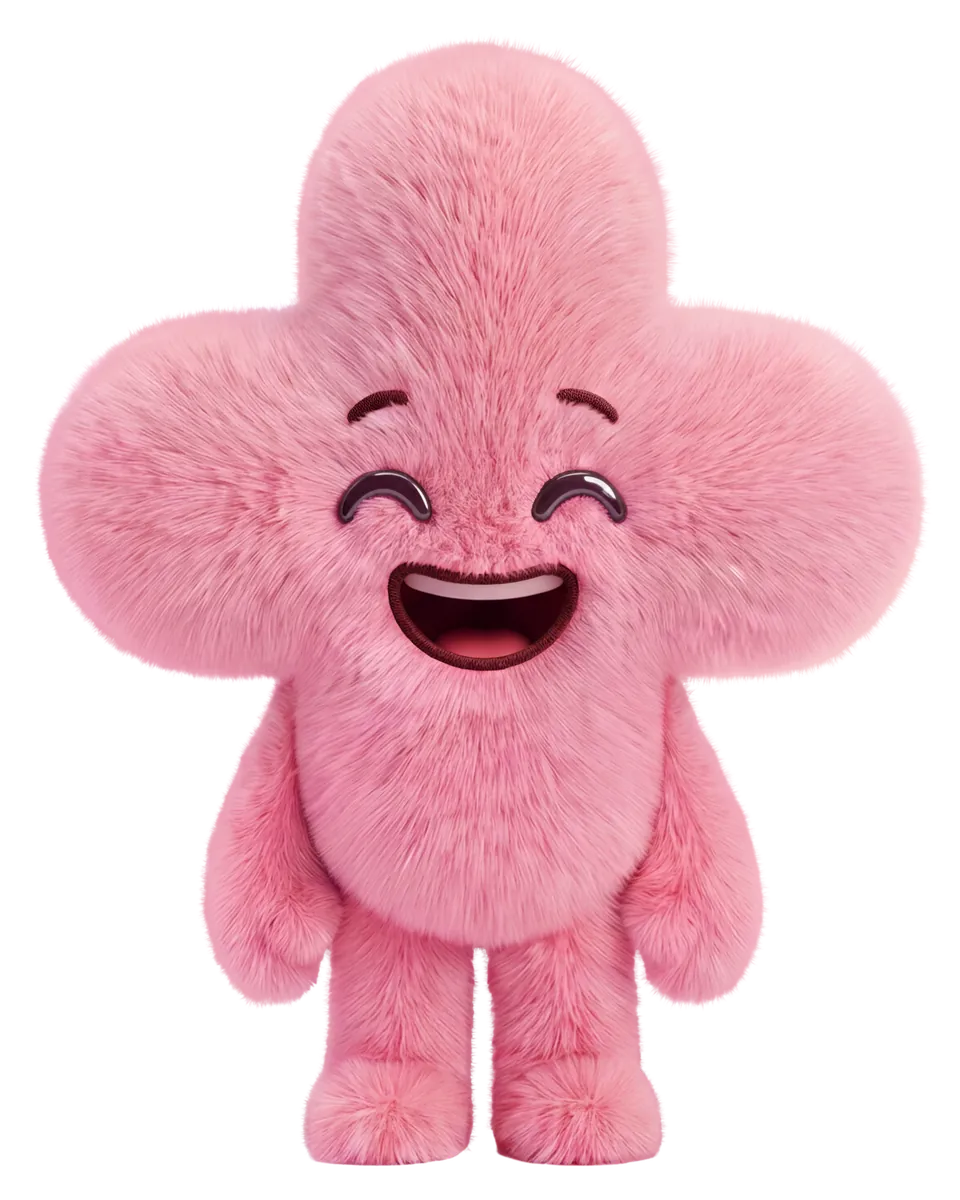
Too long and he’s scruffy. Too short and he’s flocked plastic. The sweet spot is short, matte, a slight sheen, a gentle radial flow.
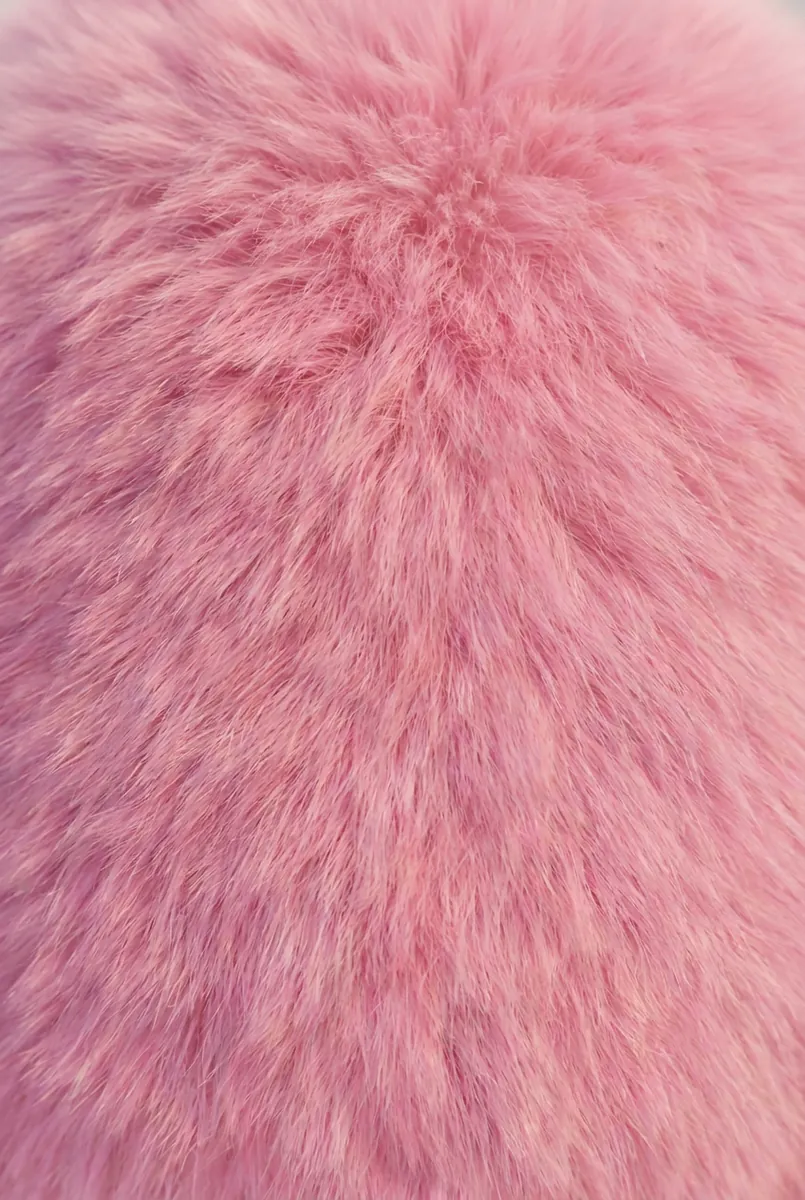
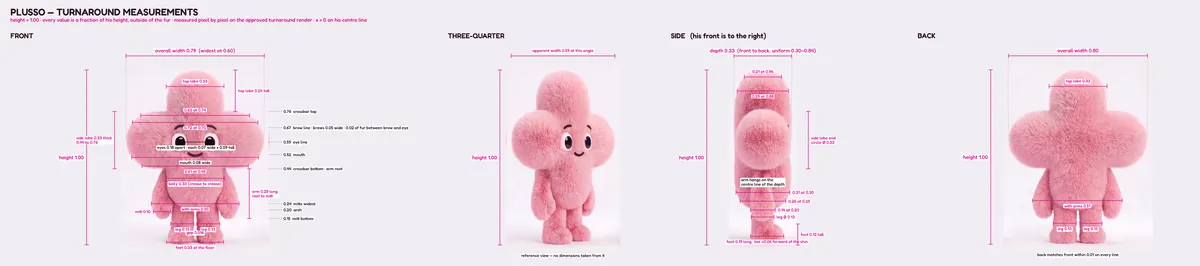
Fur colour is locked. Brow and mouth values measured from the approved close-up.
02 · Light
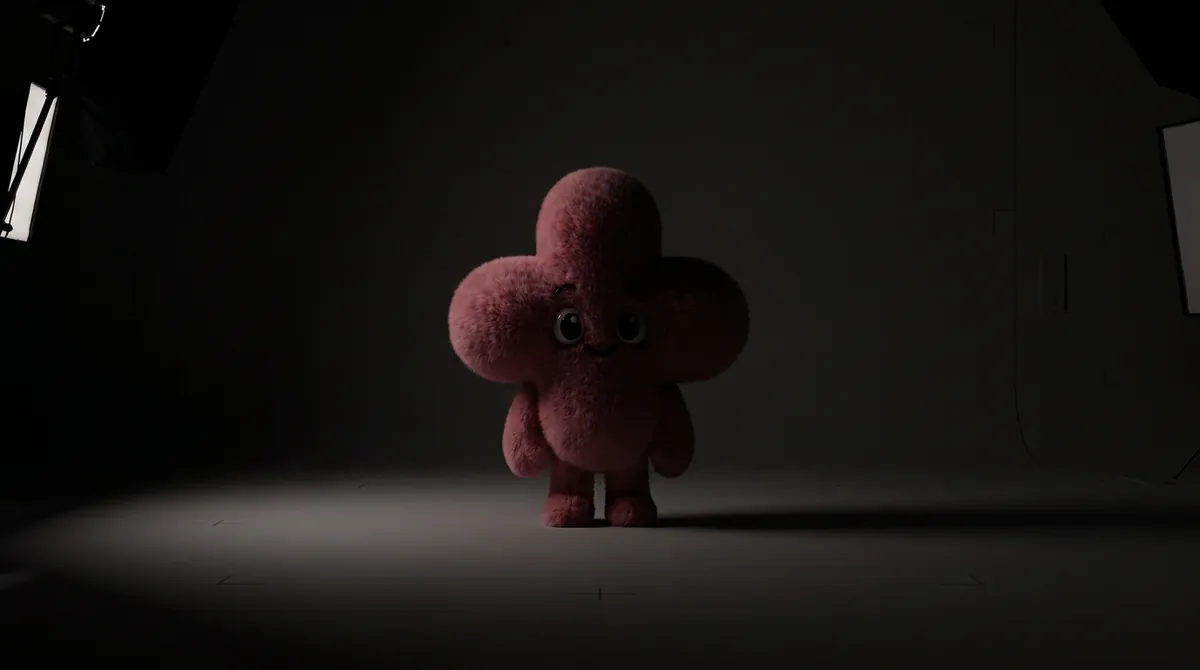
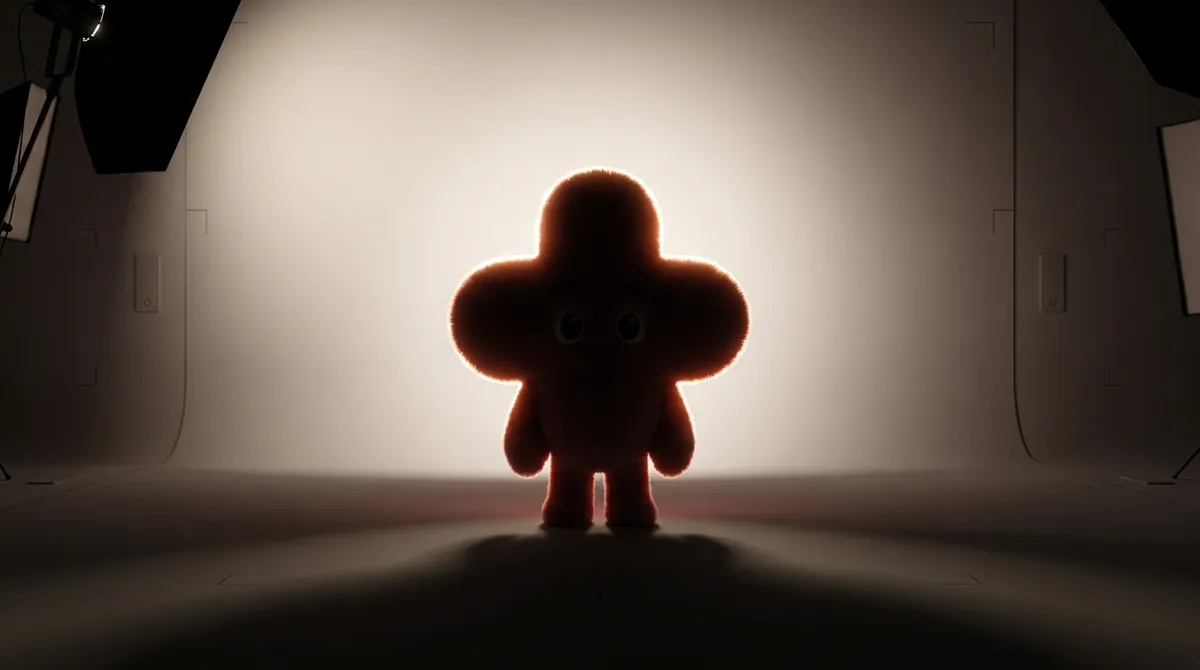
Lighting him: same fur, different moods
Studio key, soft fill, low key, backlight. The fur has to hold the plus shape in every one: if the rim light eats the silhouette, the character is gone.

02 · The approved look
From a line to the approved hero
Every choice from the exploration, in one drawing, then one render. Drag the handle.

02 · Measured
Then we measured him
Traced pixel by pixel from the approved turnaround and five approved renders, height = 1, so every output can be checked against the same numbers.
02 · Craft rules
Rules we only found by getting it wrong
No neck.
Any head tilt is a whole-body tilt.
He tips, he doesn’t wilt.
The cross leans from the hips as one rigid piece.
No fingers.
Furry mitts with a working thumb; at rest the thumb hides.
A wave stops at the side lobe.
His arm is a third of his height: never above his head.
Pupils fill the eye.
A white rim all round reads as a doughnut.
Keep the crossbar in frame.
Crop it in a close-up and the plus is gone.
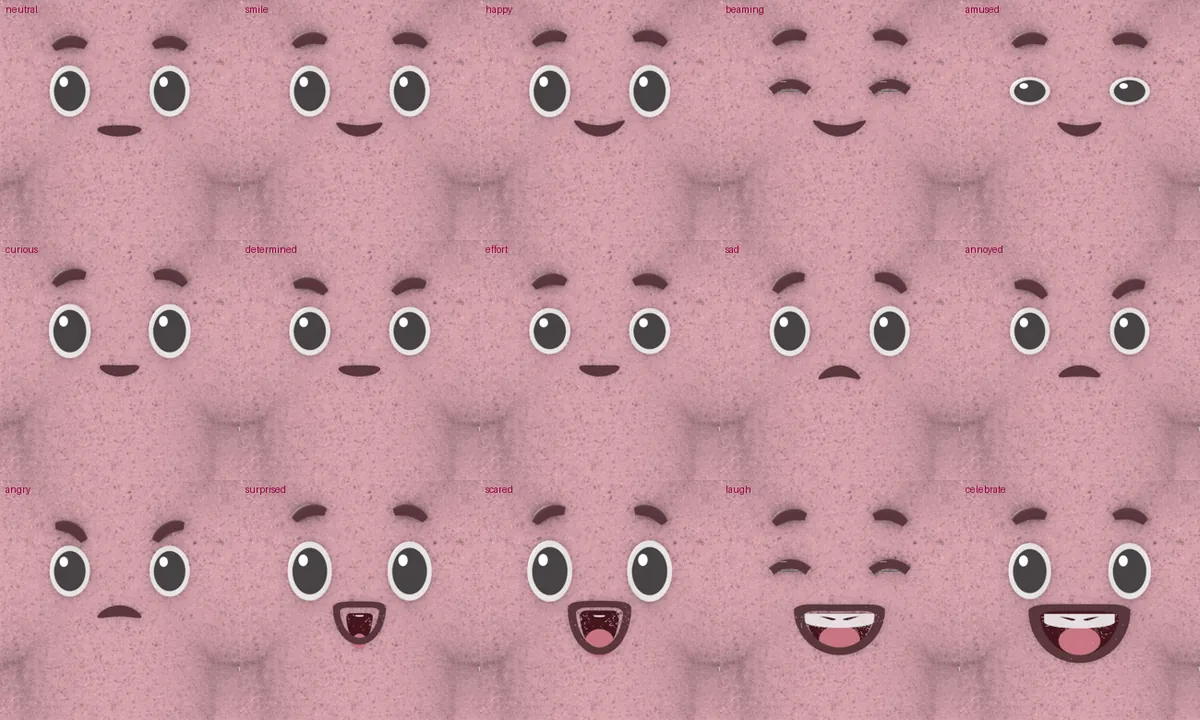
02 · Expressions
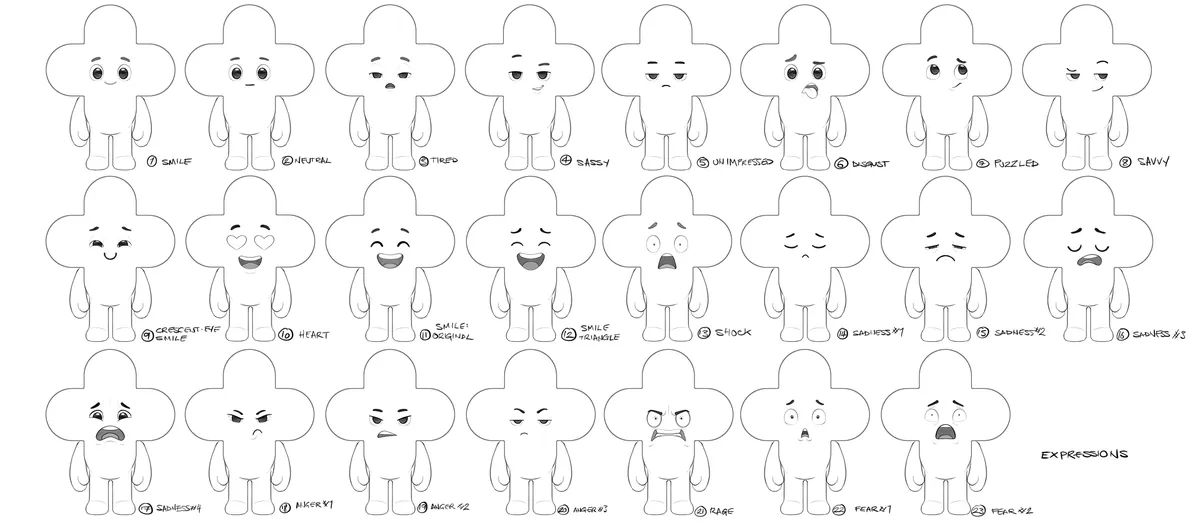
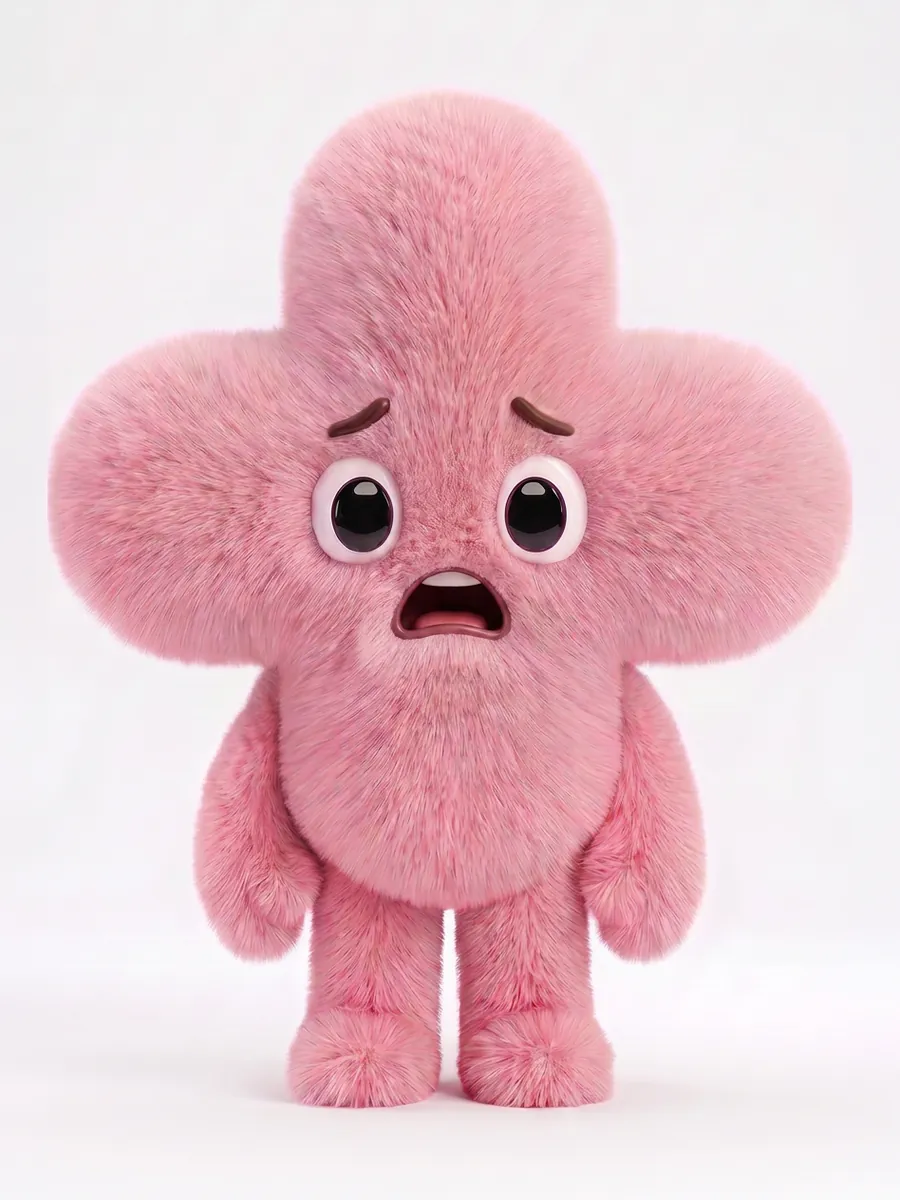
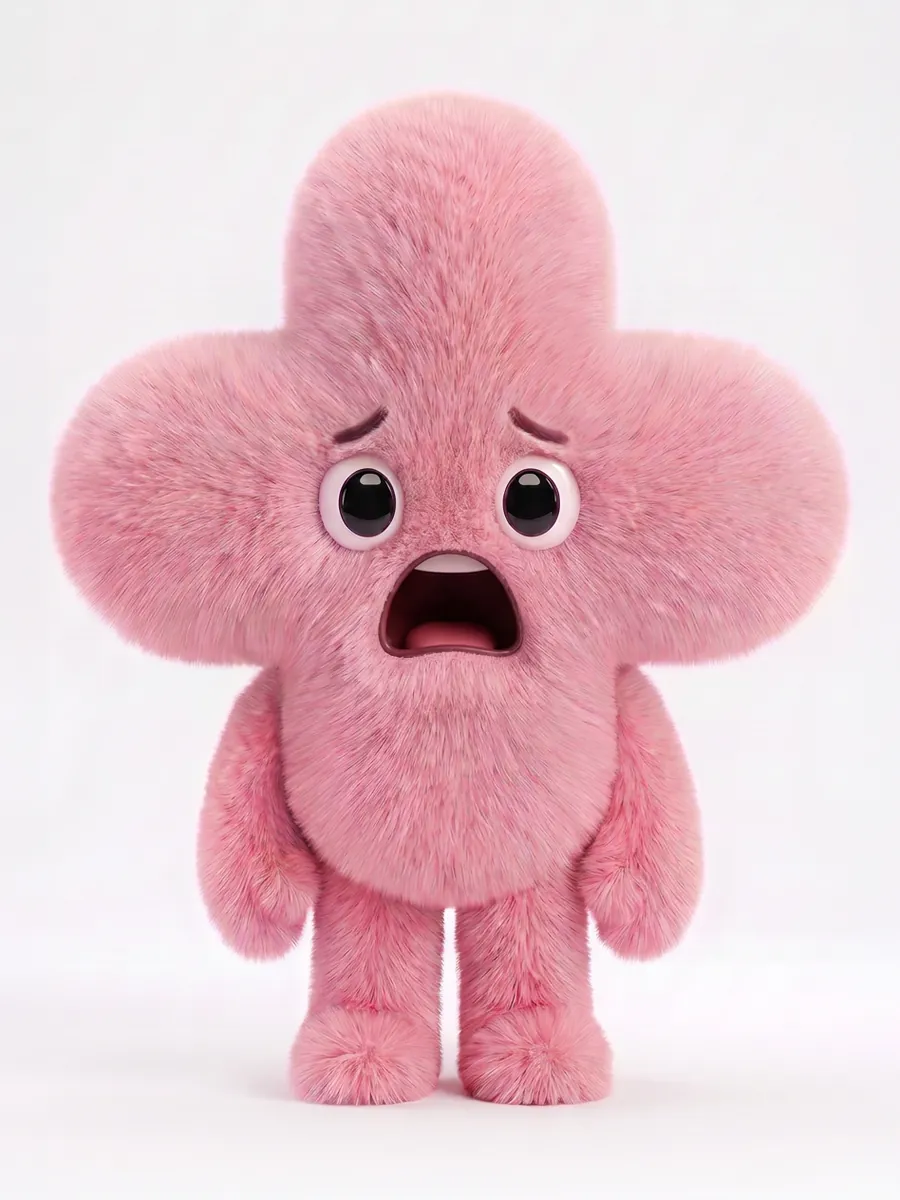
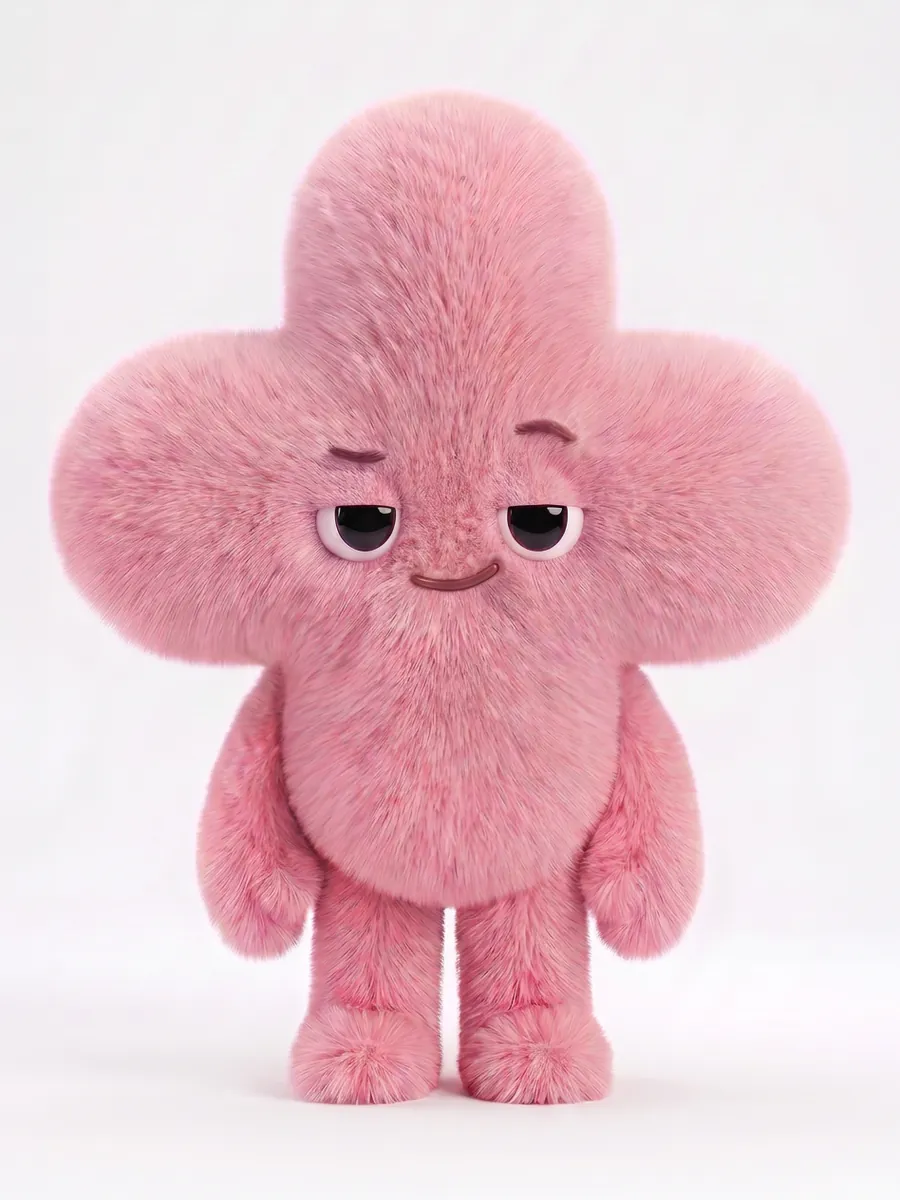
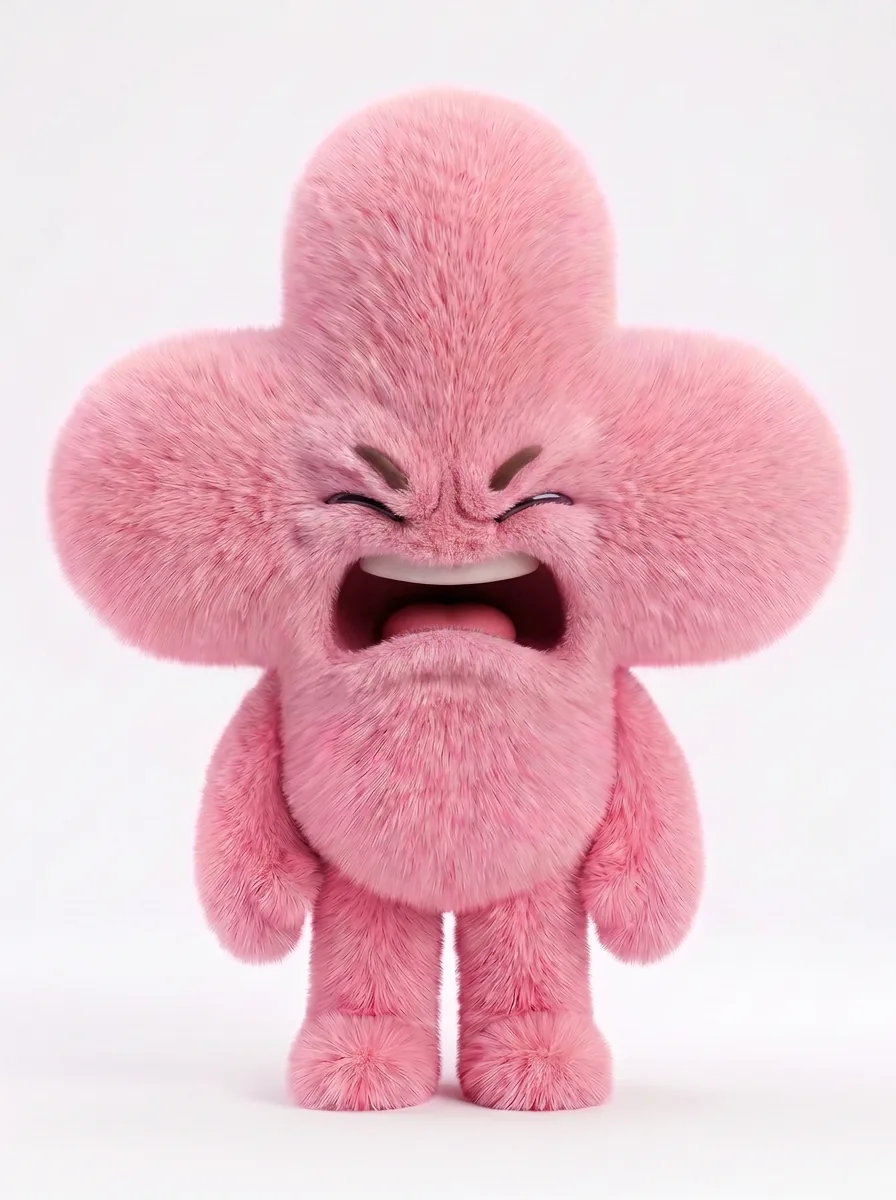
Expressions: drawn first, then rendered
His face is three things: eyes, brows, mouth. So millimetres matter.
Most of the approved expressions ended up closed-mouth. The big open-mouth faces are saved for big moments.
02 · The reference library
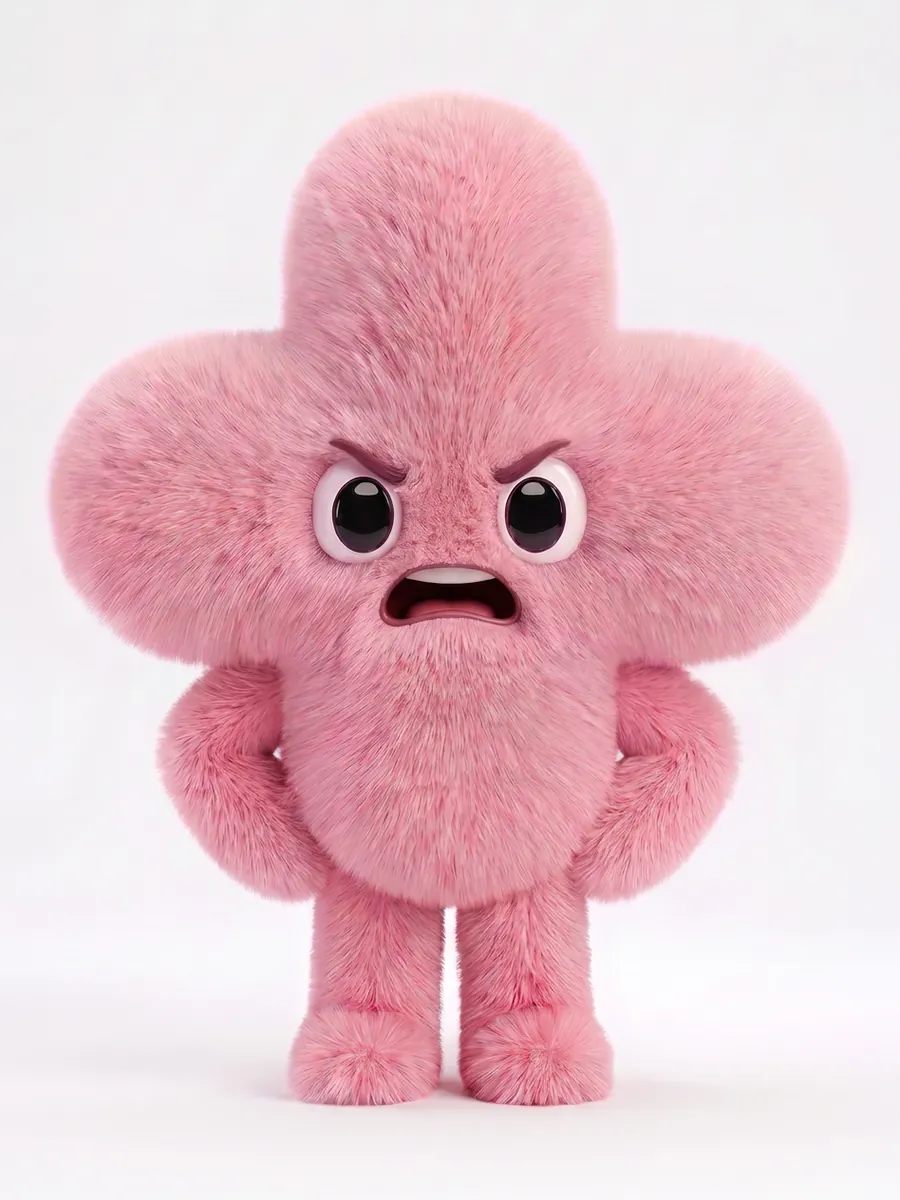
Approved poses: the reference library
The renders every later image was checked against.
laugh 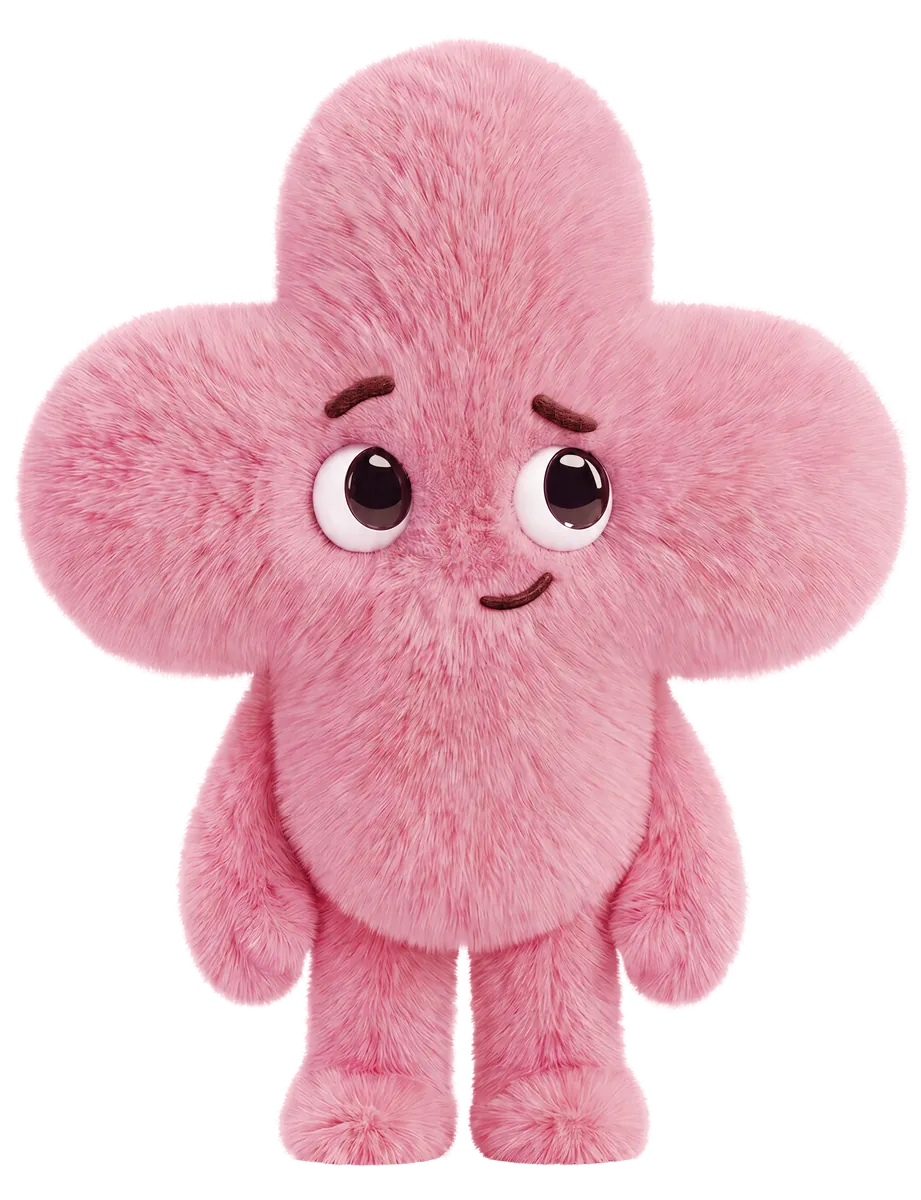
curious 
amused 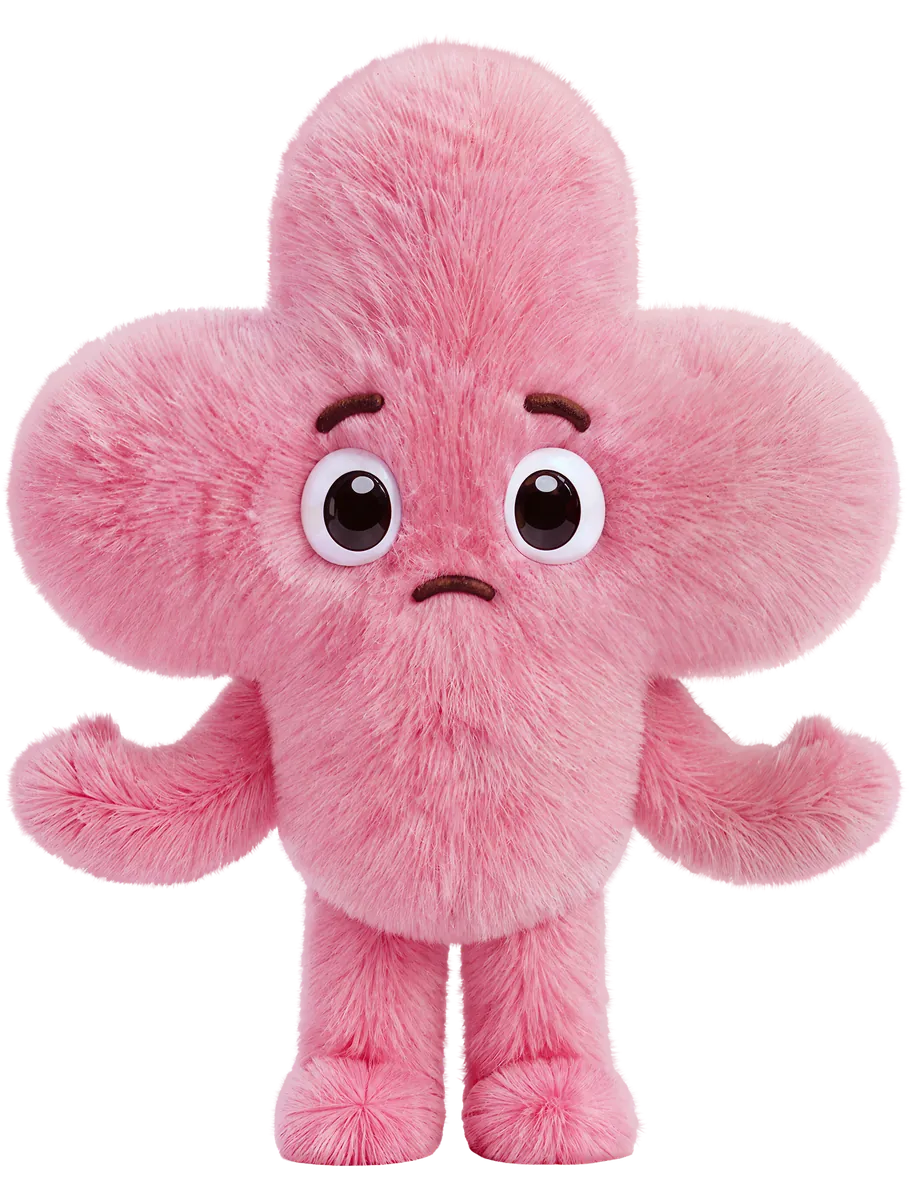
shrug 
scared 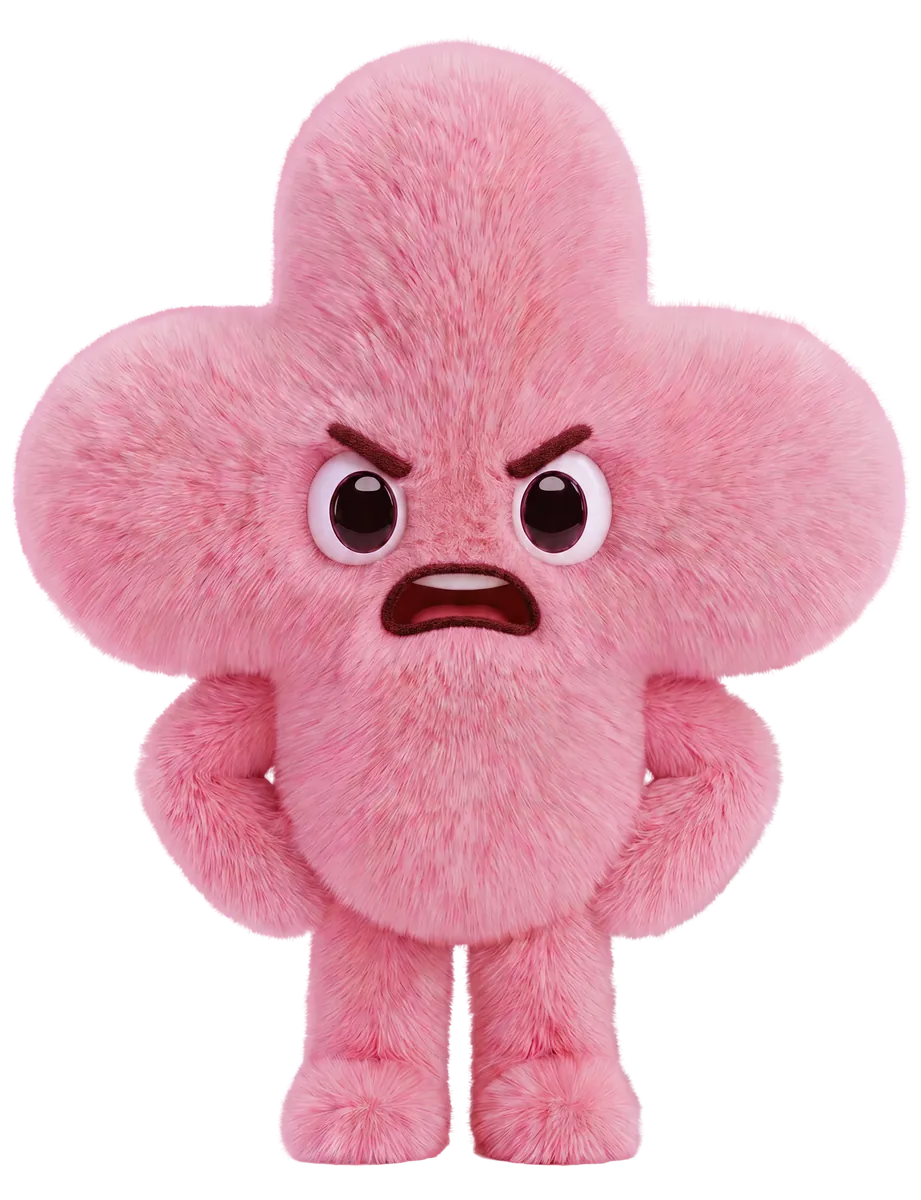
angry 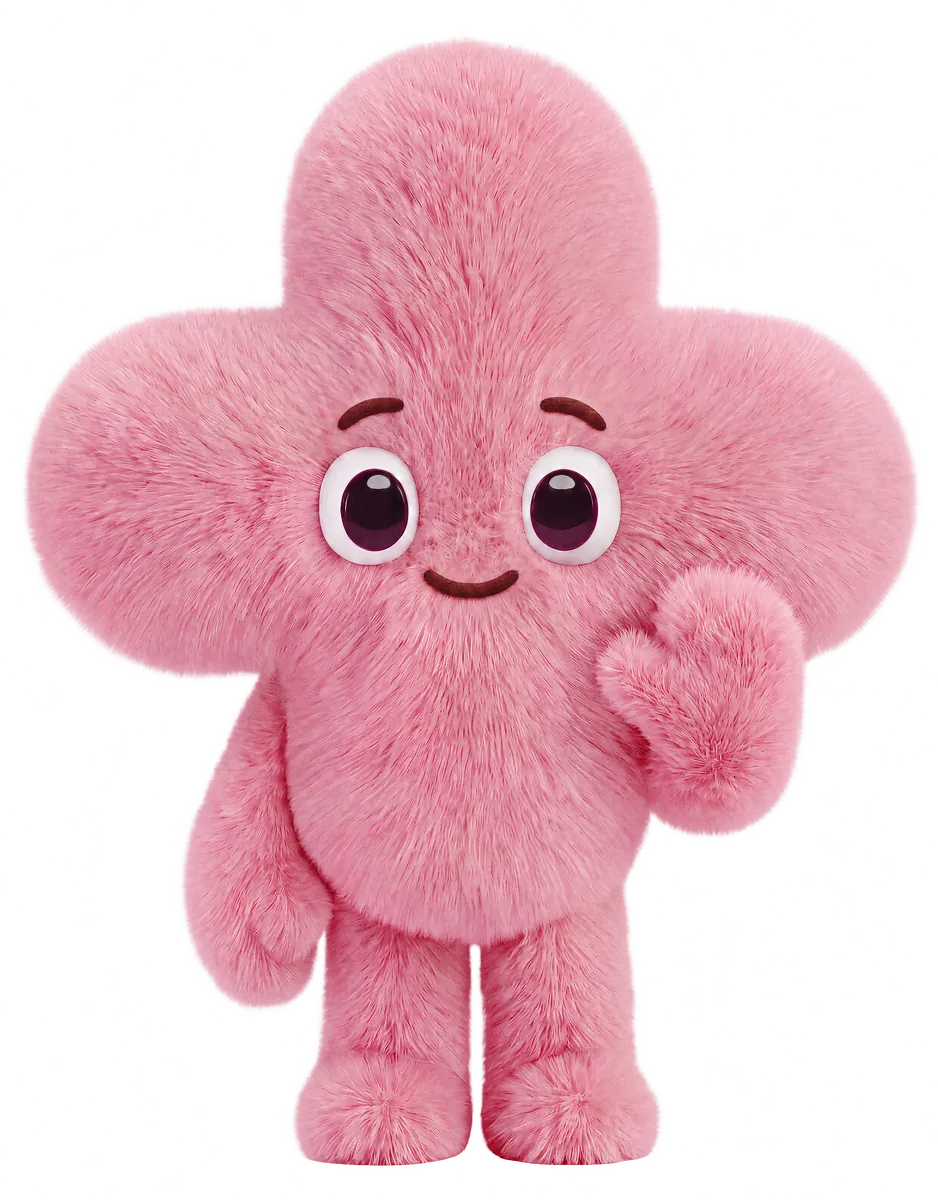
wave 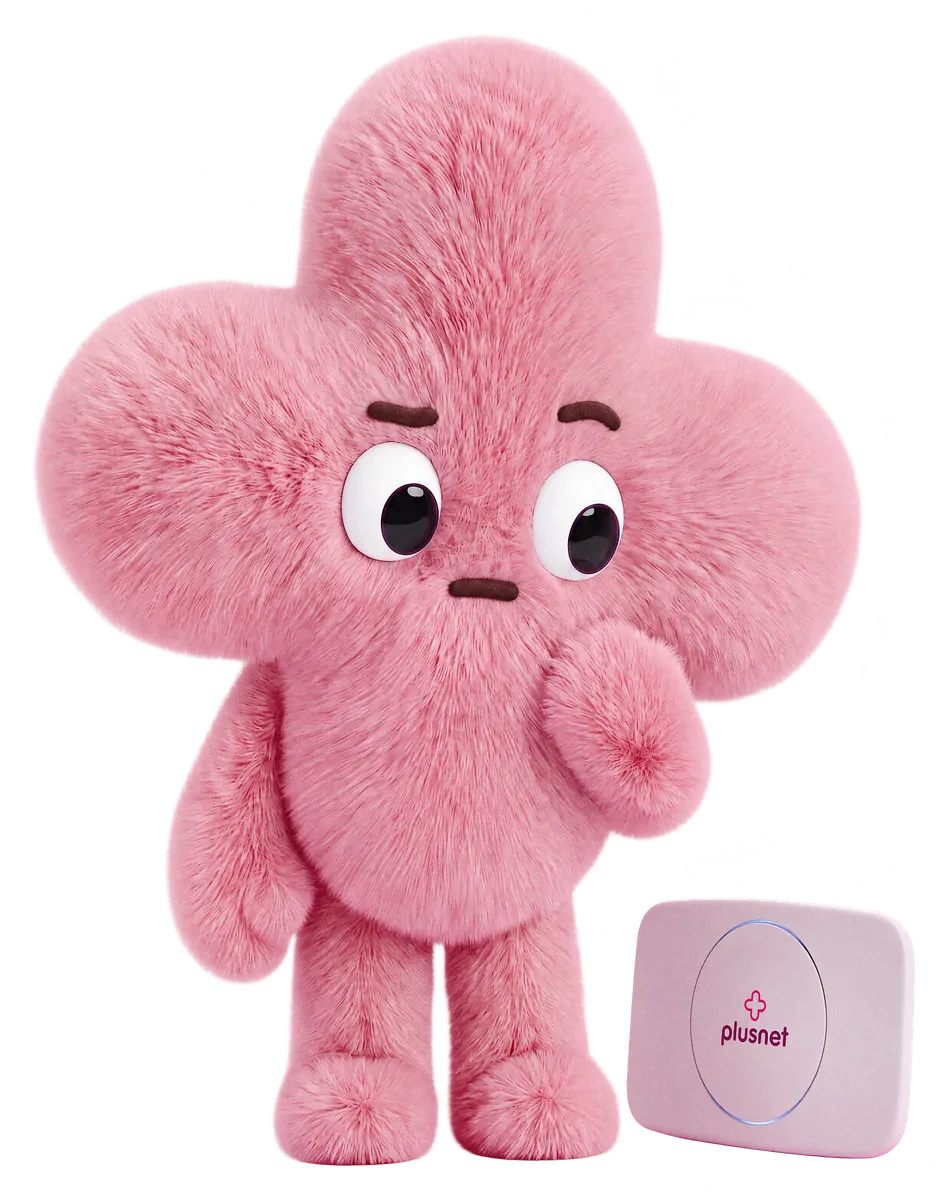
confused 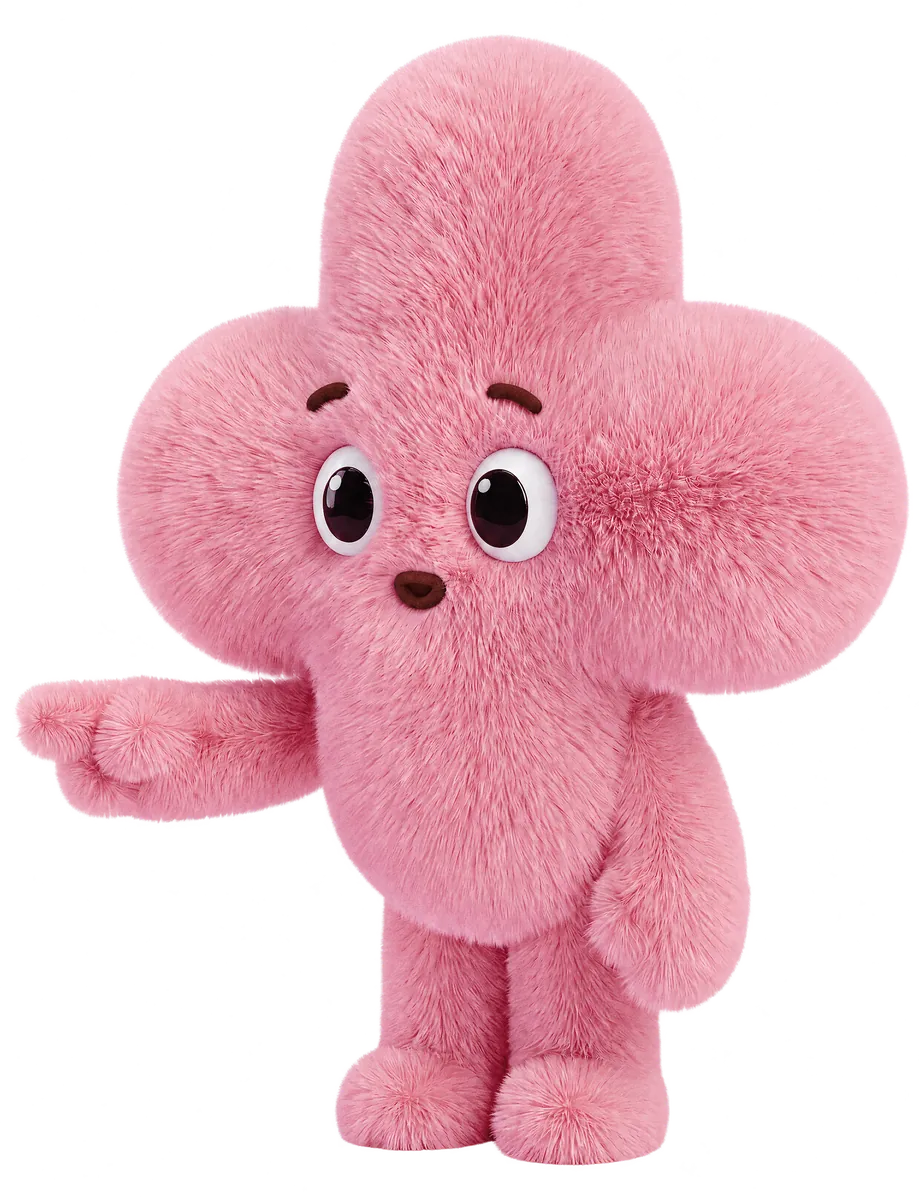
point 
sad 1 
celebration 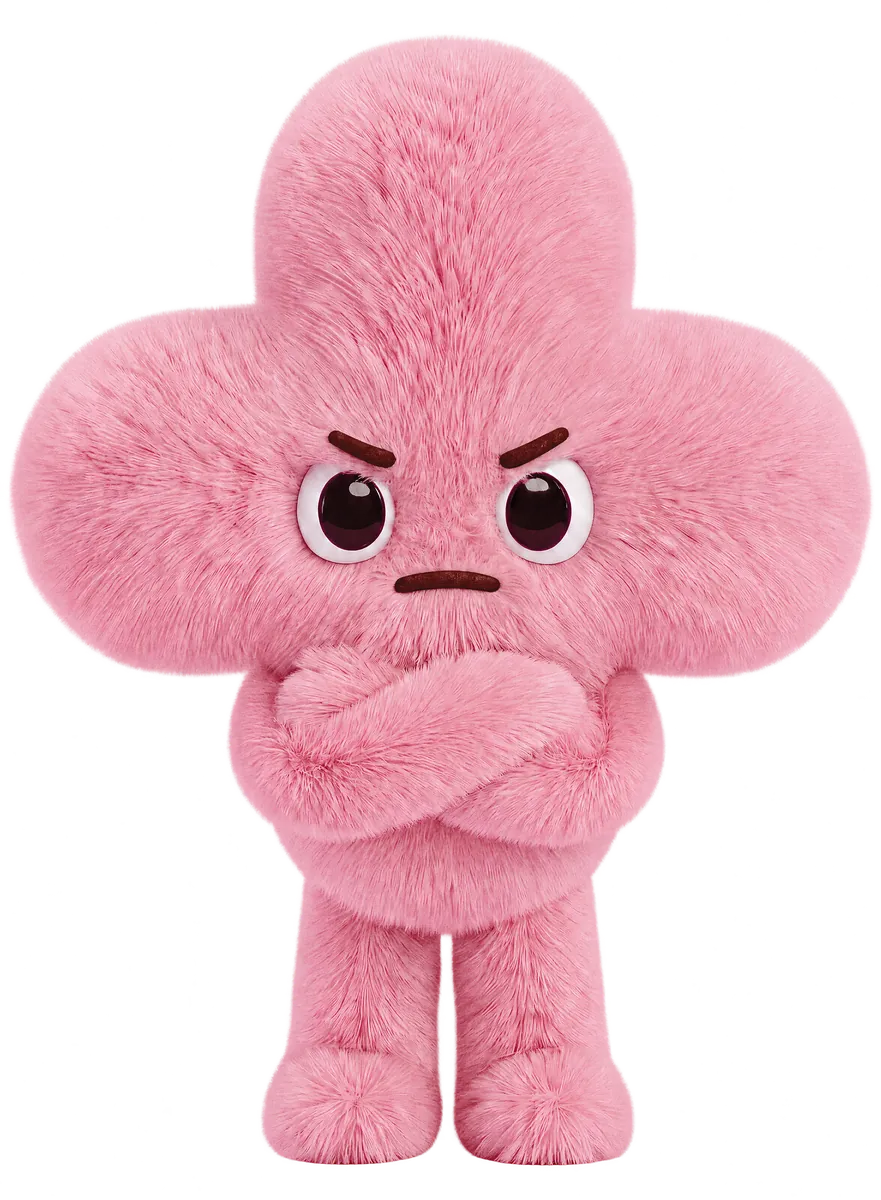
arms crossed
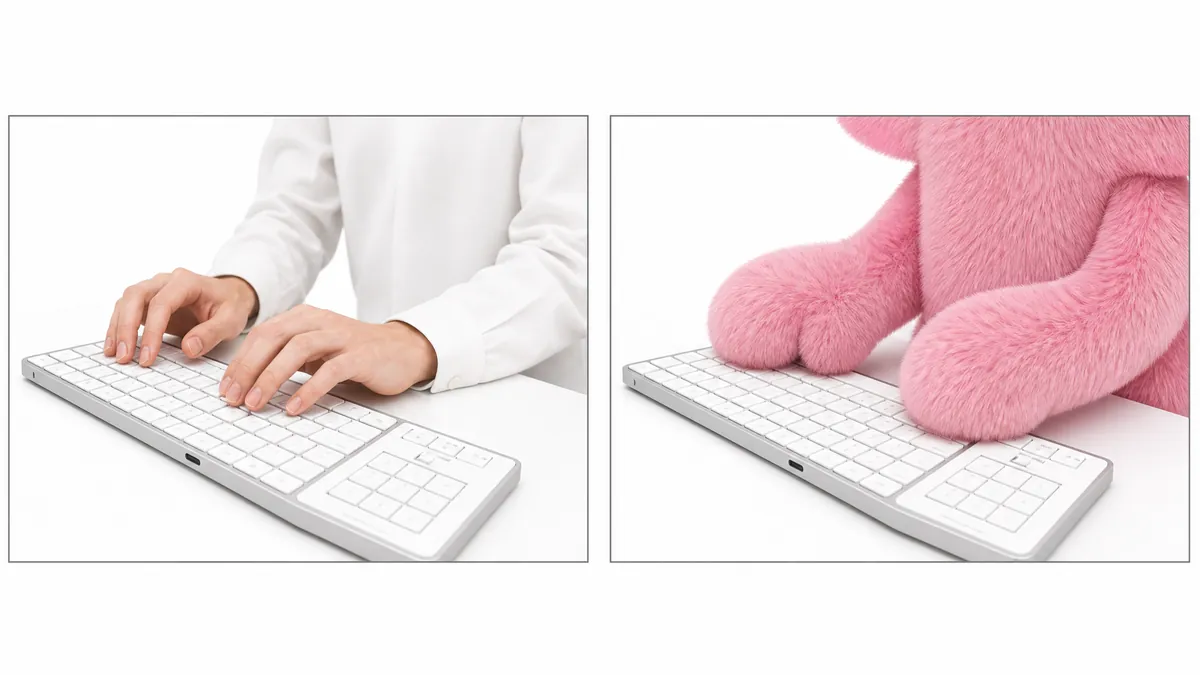
02 · Hands
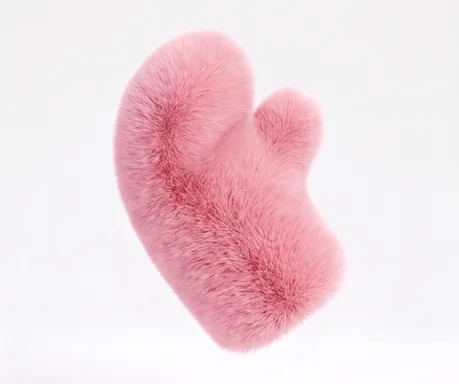
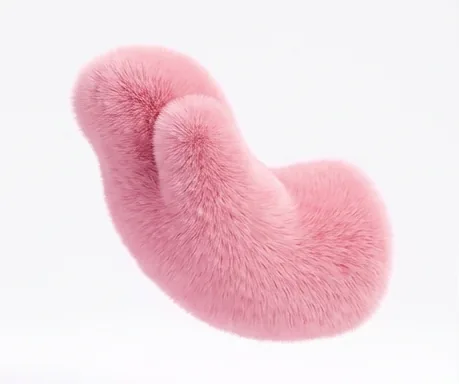
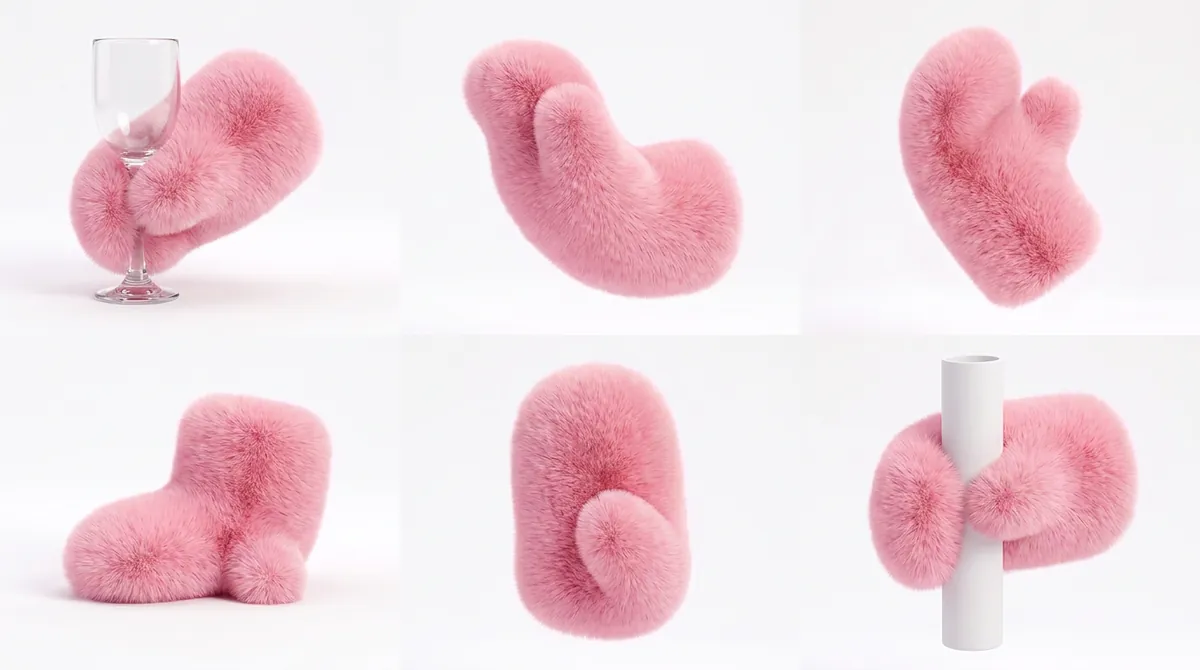
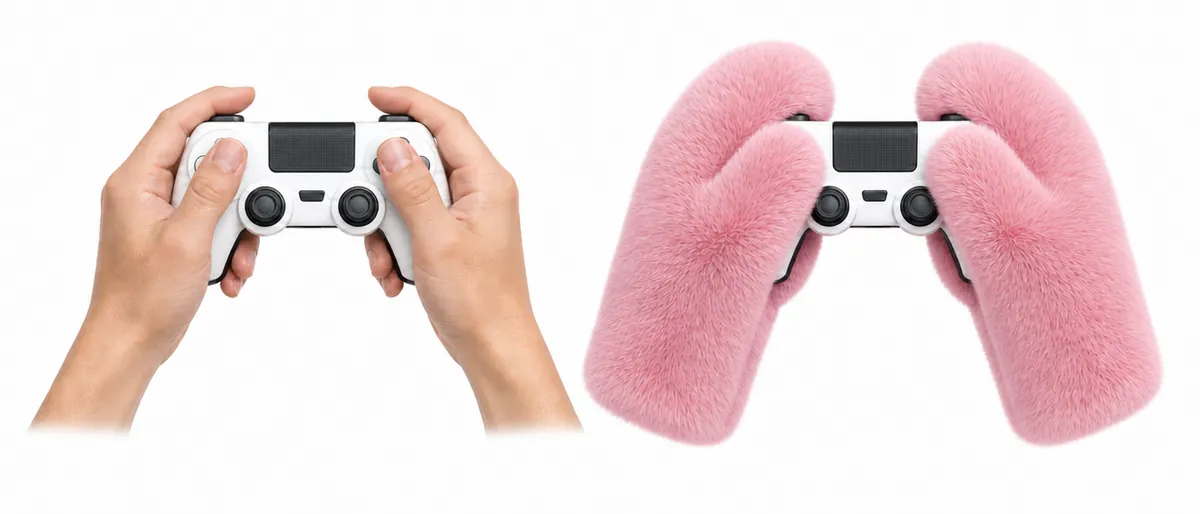
Nice to mitt you
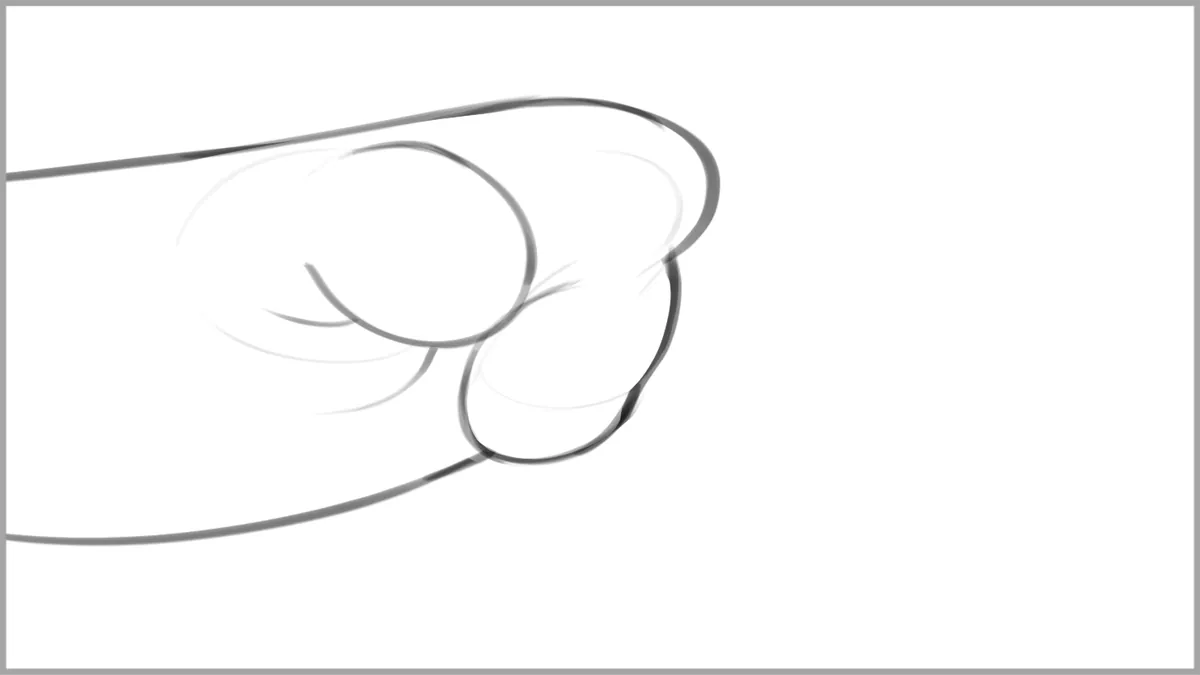
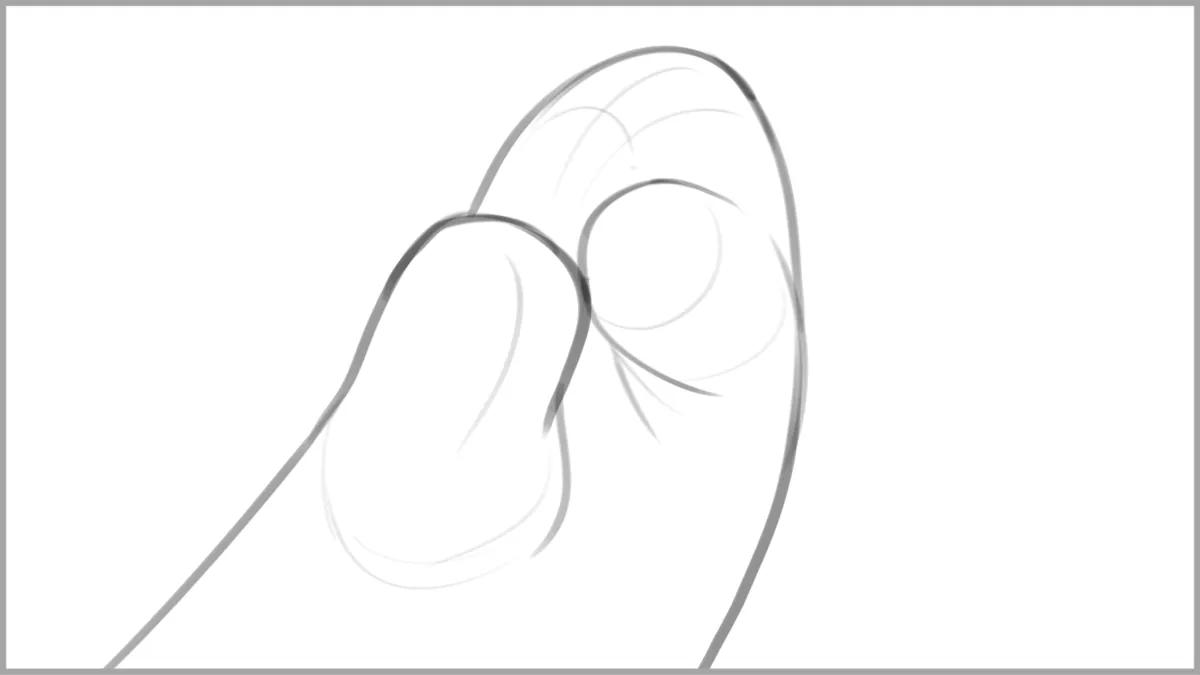
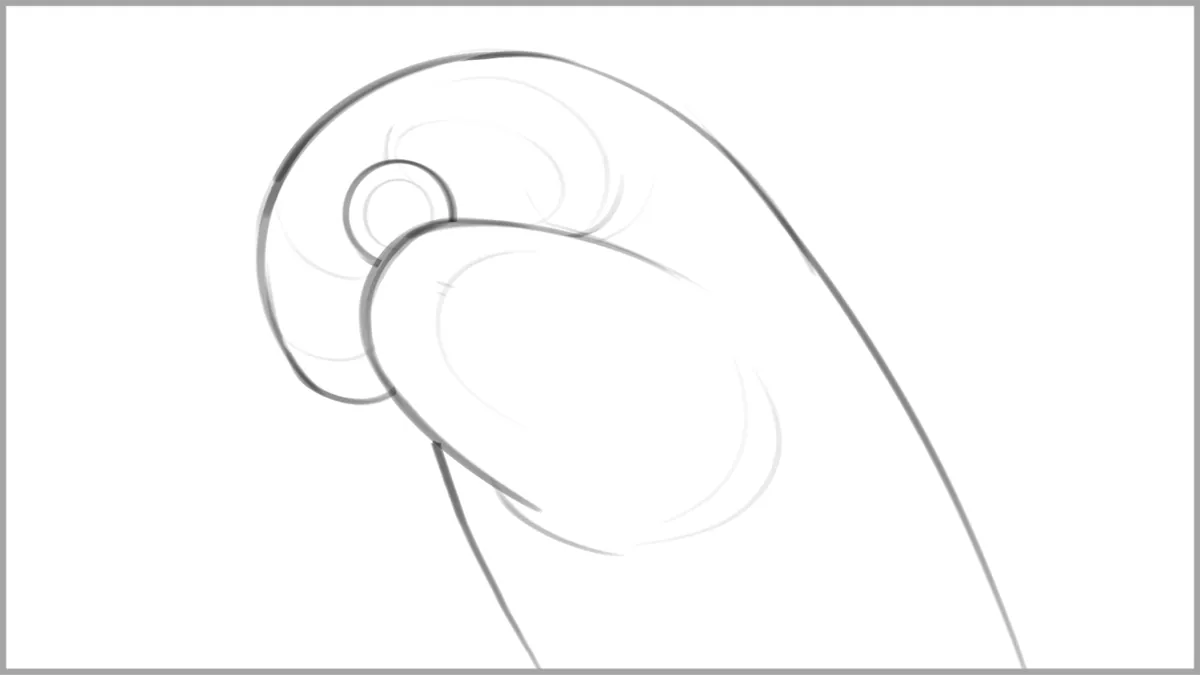
The rule: fingerless mitt, working thumb.
No fingers is a comedy gift: he types, games and scrolls anyway.
Drawn: grip, point, press, hold


Rendered
02 · 3D
Rebuilt in 3D, solved from the approved art
Built with Claude driving Blender: a 28-bone rig and 40 face actions. Twenty expressions were solved by measuring each feature in the approved artwork and inverting the rig: 94% of 180 measurements within tolerance. For the web, the fur is rebuilt as 78,000 real strands.
What it was for: a version of Plusso that can be measured and posed exactly, so every generated image has something fixed to be checked against.
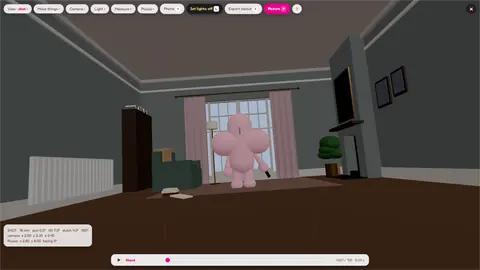
The shot studio
Claude + Blender · runs in the browser
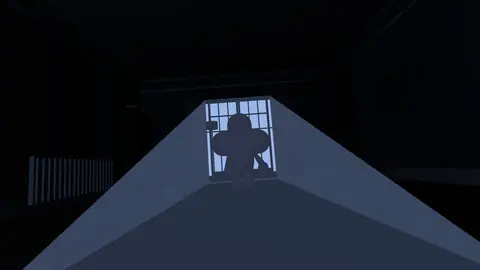
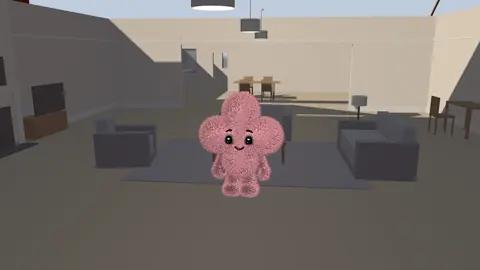
A blocked-out living room set and the 3D Plusso, made to plan the trailer shots before generating a single frame. The shot camera is locked to the lens and the move (18 mm, a slow push from first frame to last), with 9:16 guides on top.
Props can be moved around the set and bump into each other like real furniture. One switch turns the room to moonlight. And a phone can join as a handheld camera: you walk the shot with it in your hand and the 3D camera follows.
Open the shot studio Password · desktop, keyboard and mouse
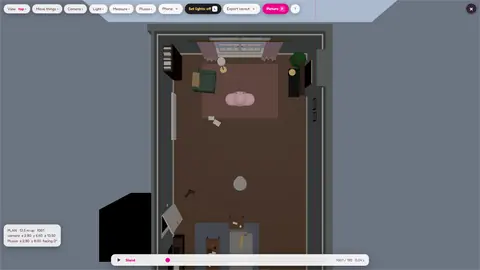
The house and the street
Claude + Blender · runs in the browser
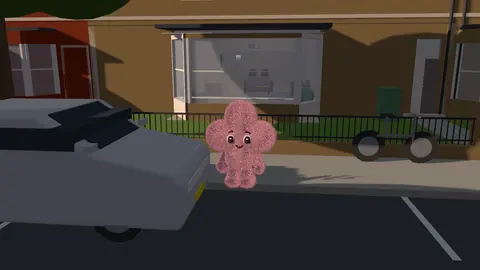
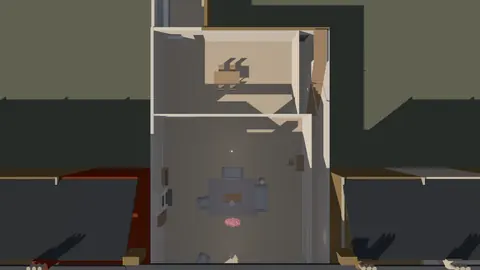
A whole house and the street outside it, at Plusso’s real scale. You walk him through the rooms with the keyboard, or put a camera anywhere with a real lens and frame him. The sun moves with the time of day and the lamps come on at dusk.
It answers the questions a prompt can’t: what fits, what he can see over, where the light falls at four in the afternoon. He is 1.15 m across the arms, so doors need sideways. Any frame can be saved and handed to the generator as a layout.
Open the house and the street Password · desktop, keyboard and mouse
02 · System
How he stays himself
In anyone’s hands, every output is checked against the same rules.
QC is a skill, not a feeling
Ten rule checks with a fixed verdict format, run on every output. The rules’ job is to make “off-model” easy to see.

Chapter 03
Building the world
The Plus Life: real British homes and streets, built one location at a time. Still growing.
03 · The map
The Plus Life, from his front door outwards
Four zones, 19 locations, by distance from his front door. The UK, now: right-hand drive, British weather, real and lived in, never set-dressed.
The Plus People make the most of what they’ve got: a kitchen extension, a hot tub, a bargain from the middle aisle.
1
Home
- Kitchen-diner
- Lounge
- Home office
- Bedroom
- Garden
- Front of house
2
The Close
- The street
- The local
- The park
- The gym
3
Town
- The car
- The retail park
- The supermarket
- Brunch and coffee
- Shopping centre
4
Away
- Airport and plane
- Package holiday
- UK staycation
- Big days out
Built · click to see it
03 · Built so far
One hero per place, nobody in it
Each location is made once, empty, and then reused: stills, films, banners, and the game in chapter 04. Empty on purpose: the places travel with him, ready for whoever puts him in them.
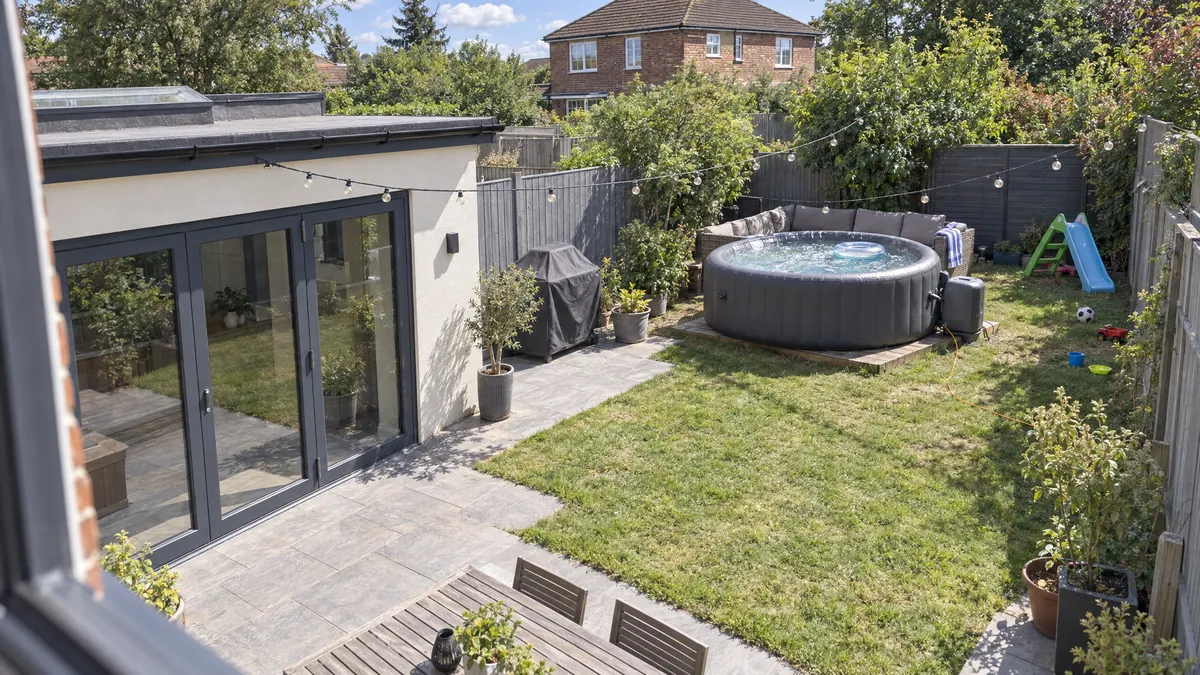
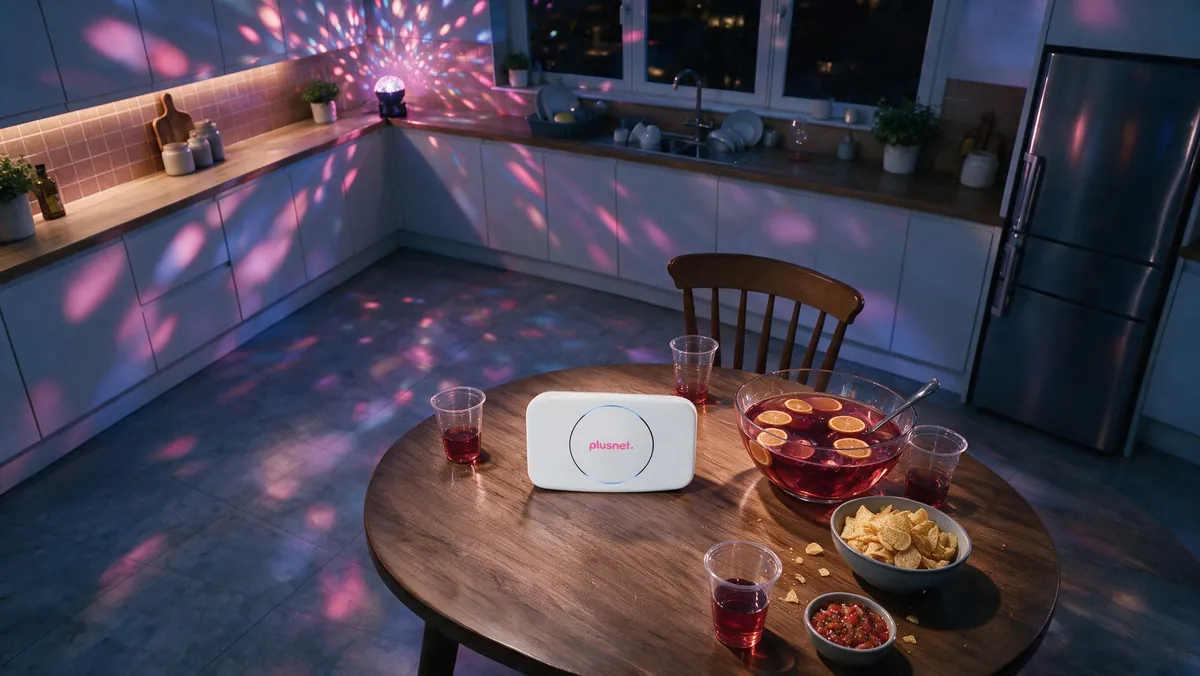
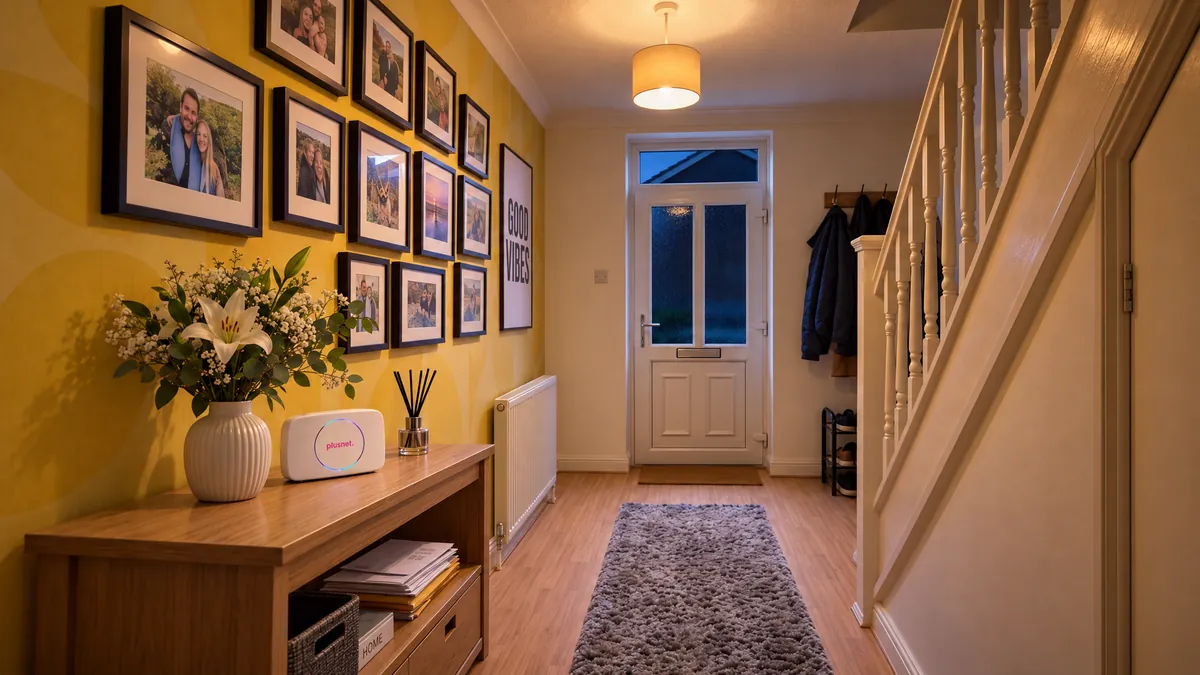

03 · How a room is built
Built in Blender, then rendered
The hero rooms were built like real sets. Every material and every prop was made first, one at a time, on its own. Then the room was assembled and dressed in Blender, a camera walked through it, and that same walk was rendered photoreal.
The Blender pass fixes the layout; the render keeps it. That is why the same room holds still across stills, films and the game.
Private · password
The living room and the hallway
The Blender walk-throughs beside the rendered tours, the finished views, and every material and prop, room by room.
One password opens everything private on this page, the 3D worlds and Plusso Fighter.
No password? Ask me for one.
Chapter 04
Plusso Fighter
The first test: a new genre, a new medium, the team as the cast. Built from the rules, and still Plusso.
04 · The first test
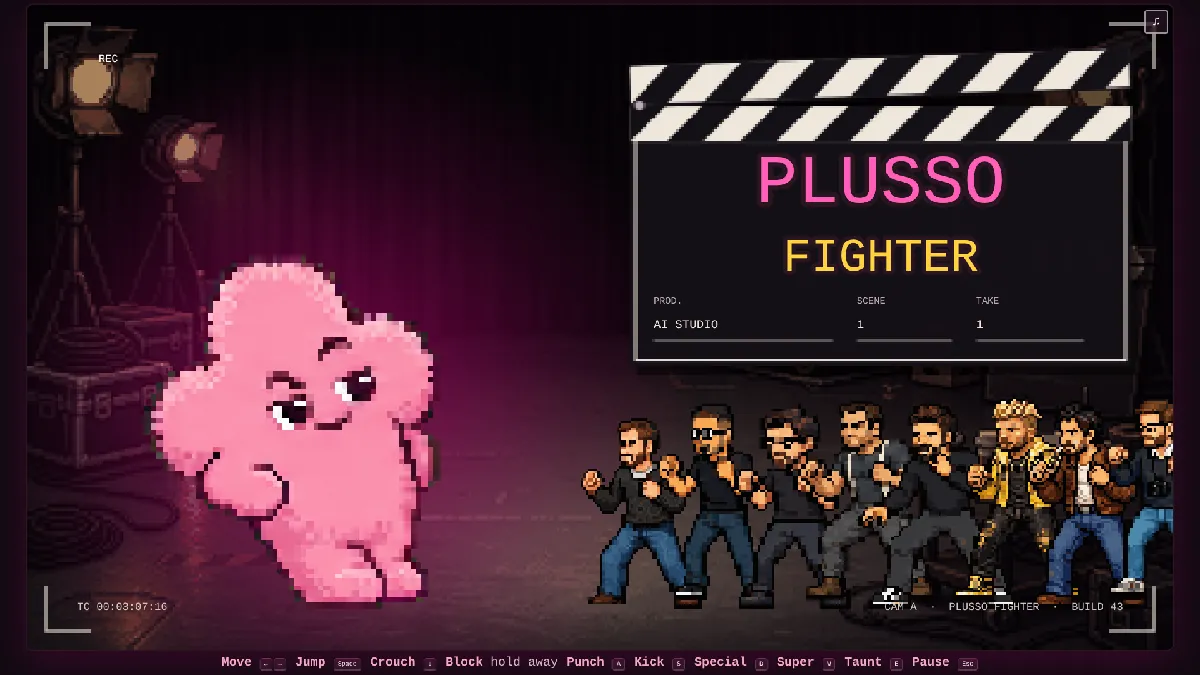
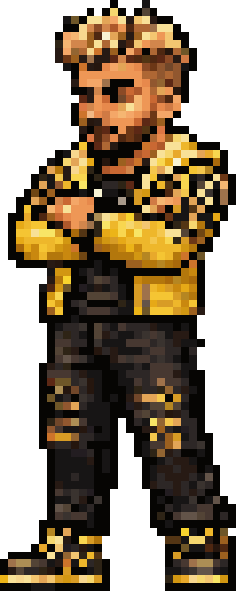
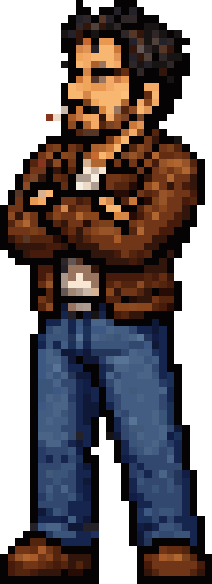
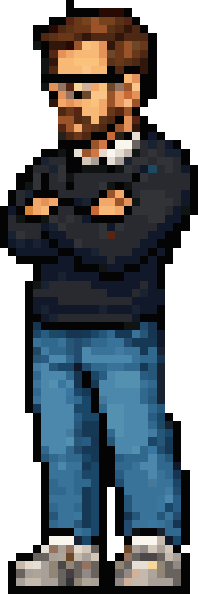
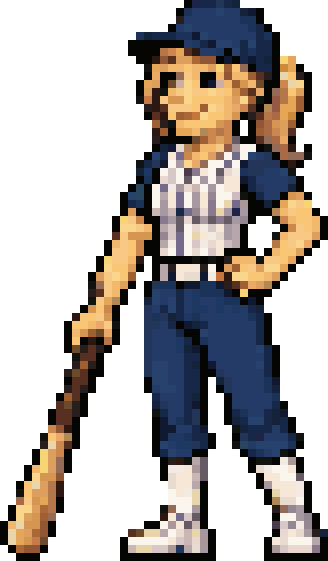
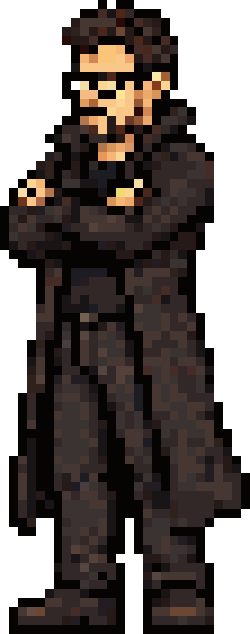
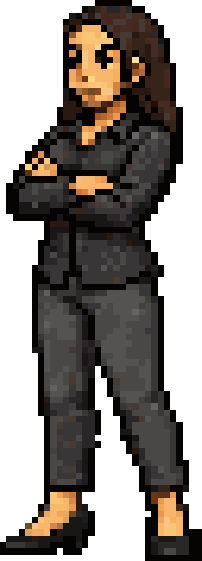
Everyone on the team has fought Plusso
For months the AI artists fought him: wrong legs, extra fingers, a neck that shouldn’t exist. So we made it literal.
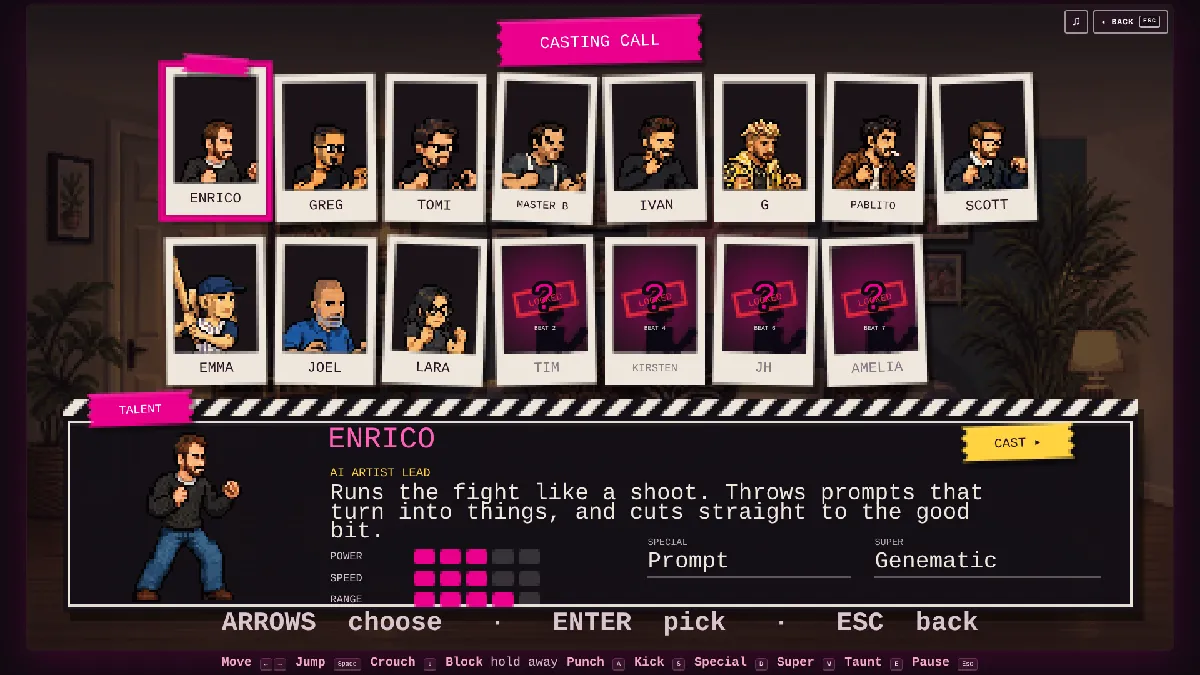
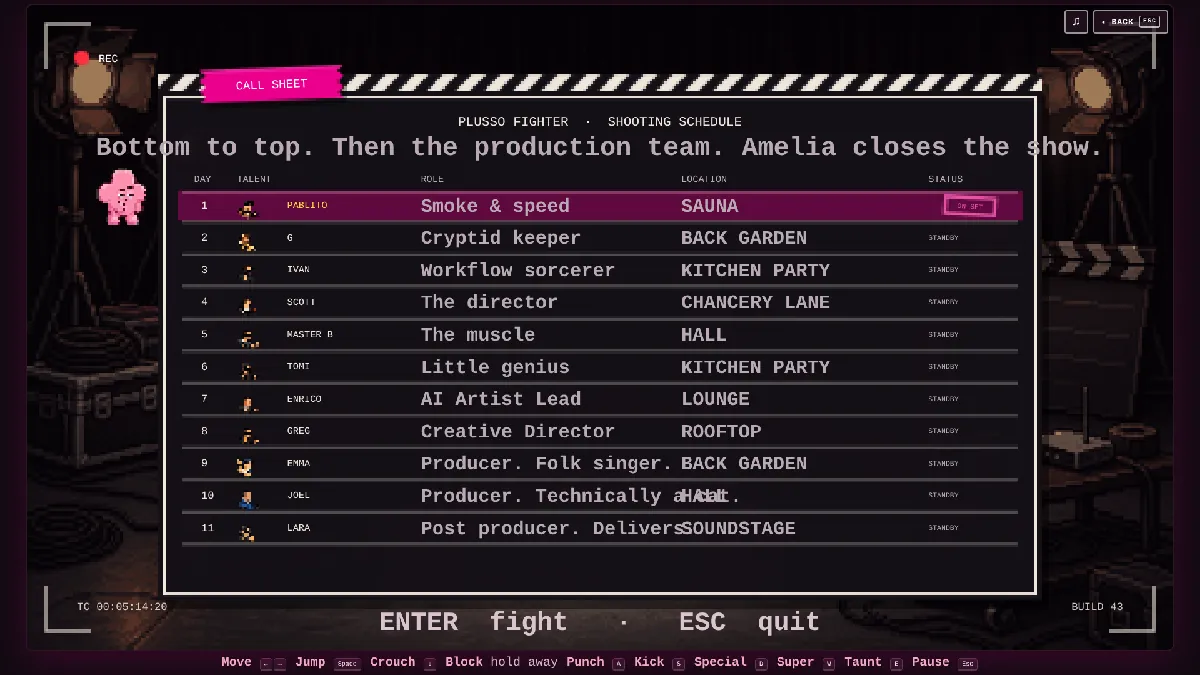
Plusso Fighter casts the real team as 16-bit fighters, each with a move from their job. Plusso smirks and says nothing.
It’s a joke, and it’s the first test of portability: a new genre, a new medium, the team as his opponents, and he is still himself. The stages are his world’s own locations; the fighters come out of the same pipeline.
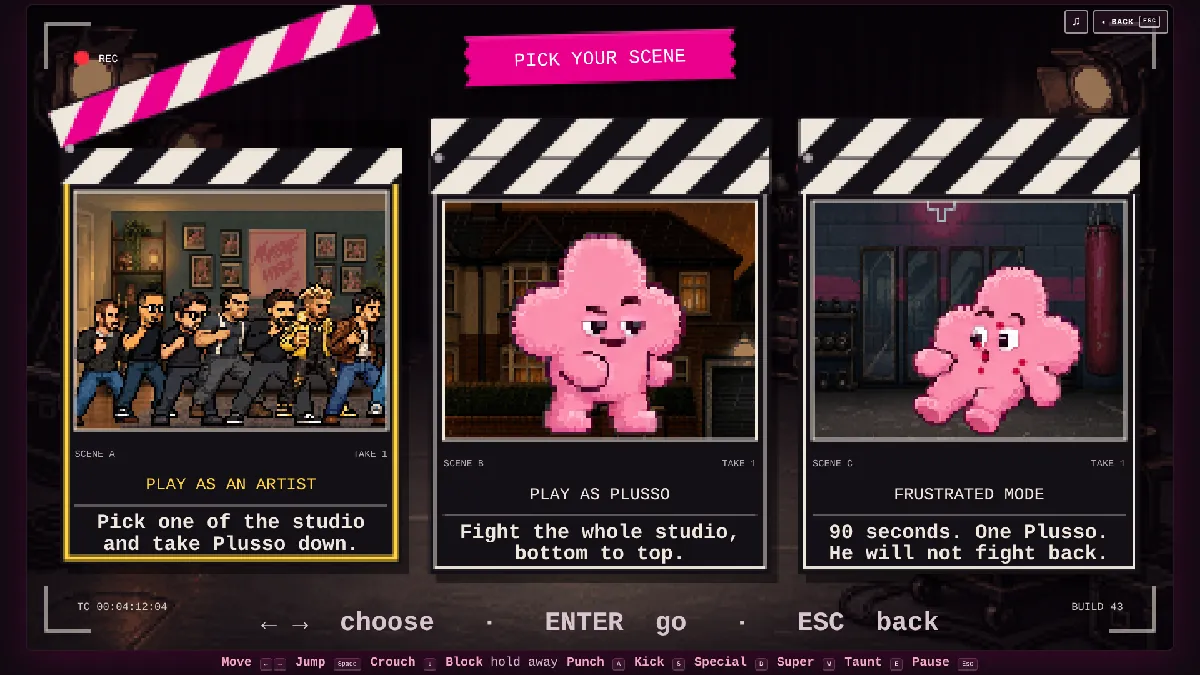
Play as an artist
Pick one of the studio and take Plusso down.
Play as Plusso
Fight the whole studio, bottom to top.
Frustrated mode
90 seconds. One Plusso. He will not fight back.
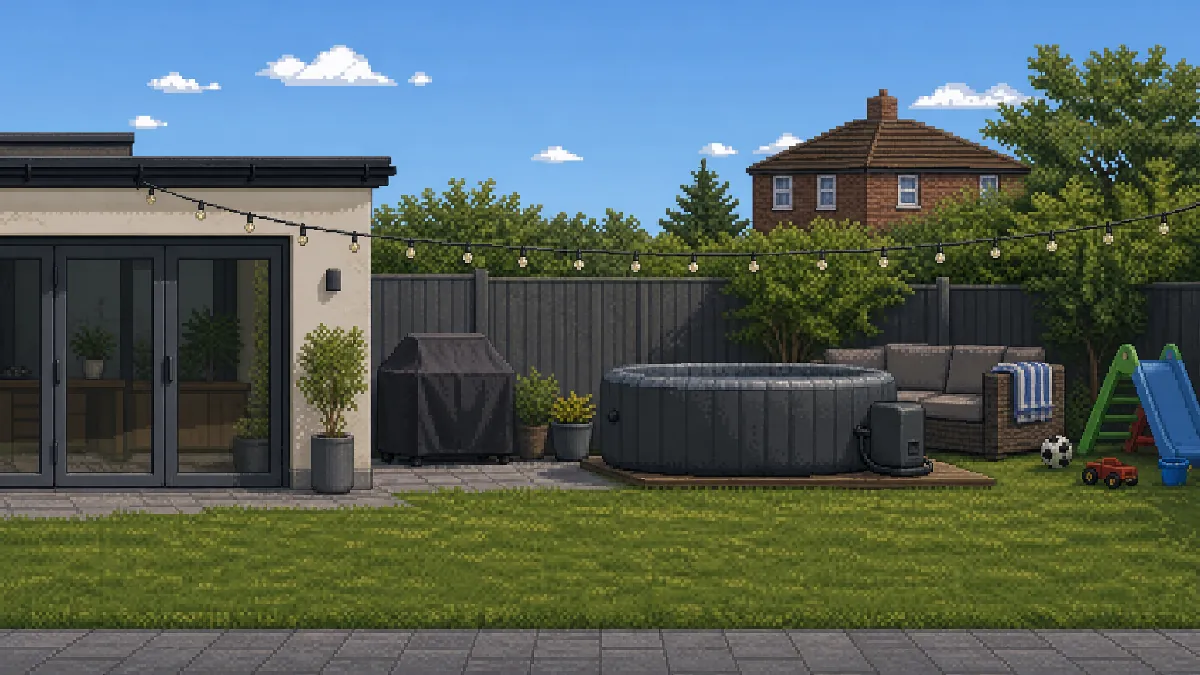
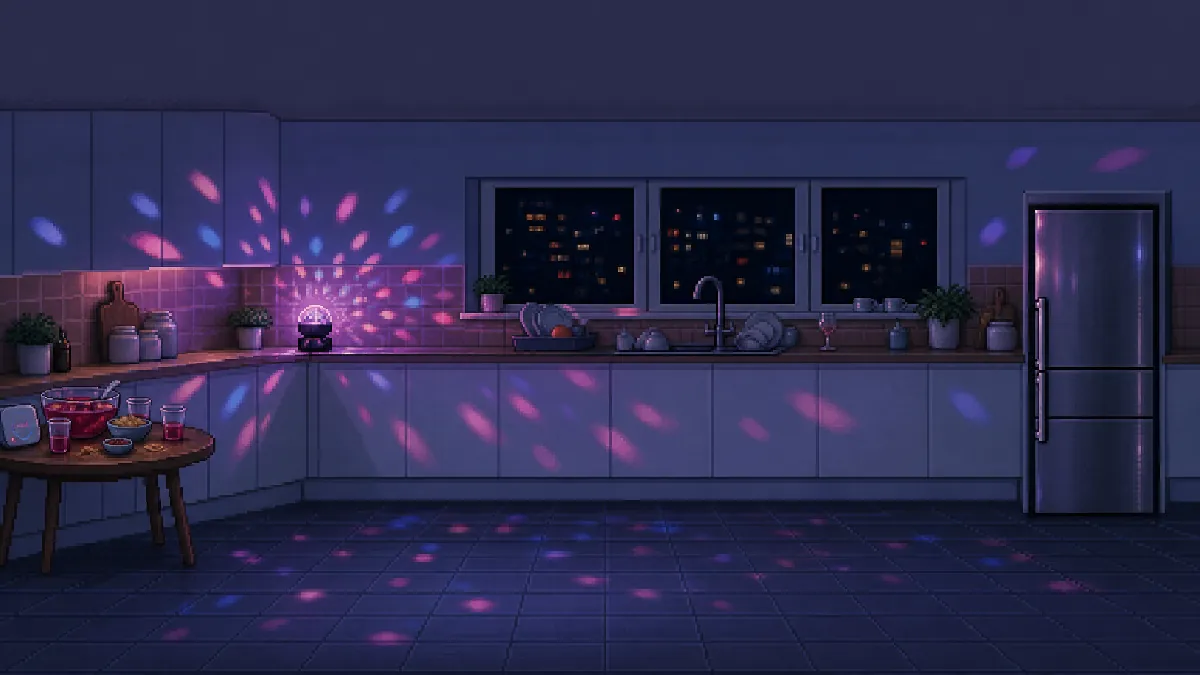
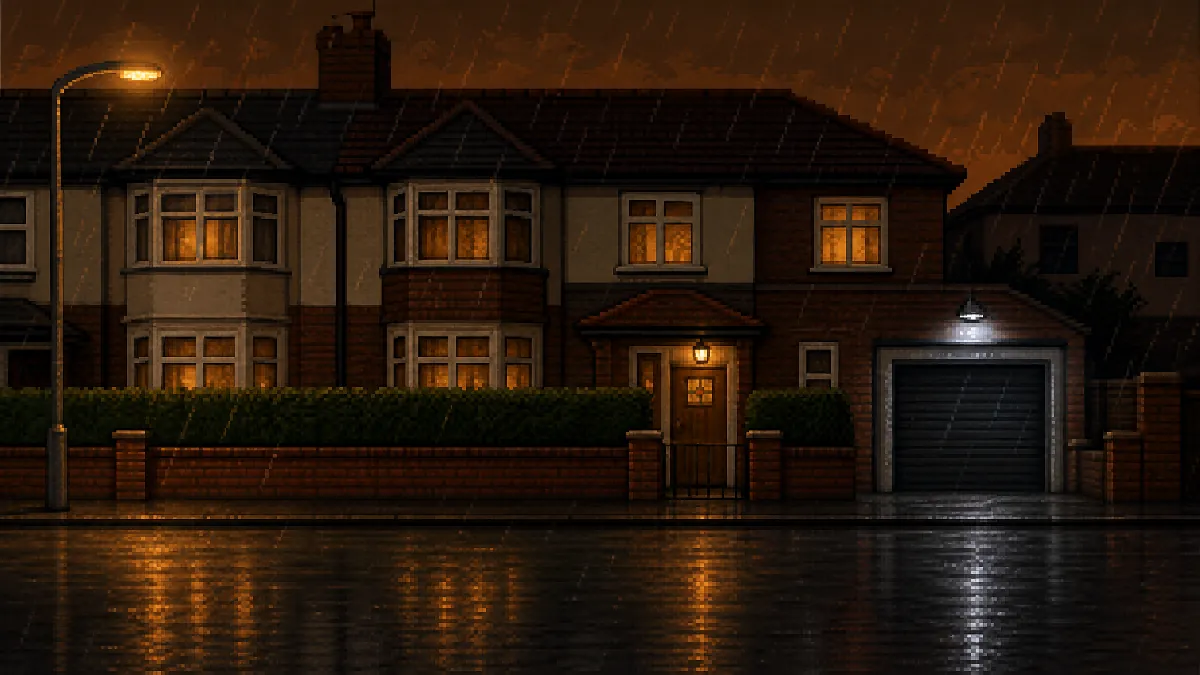
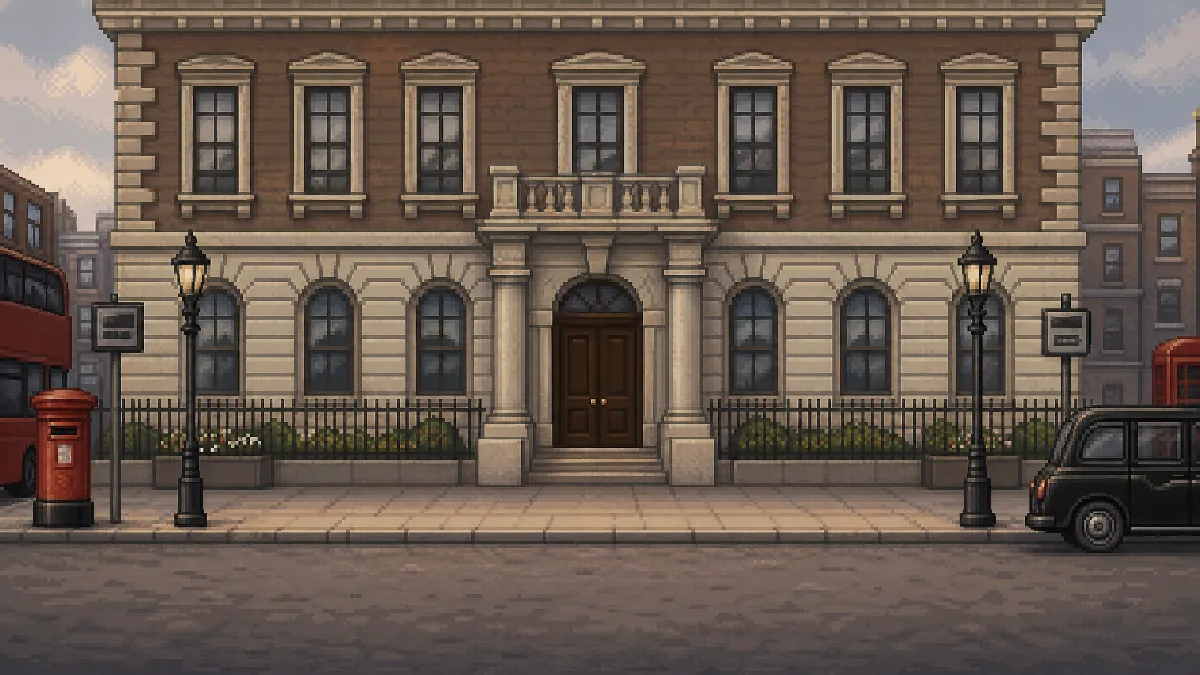
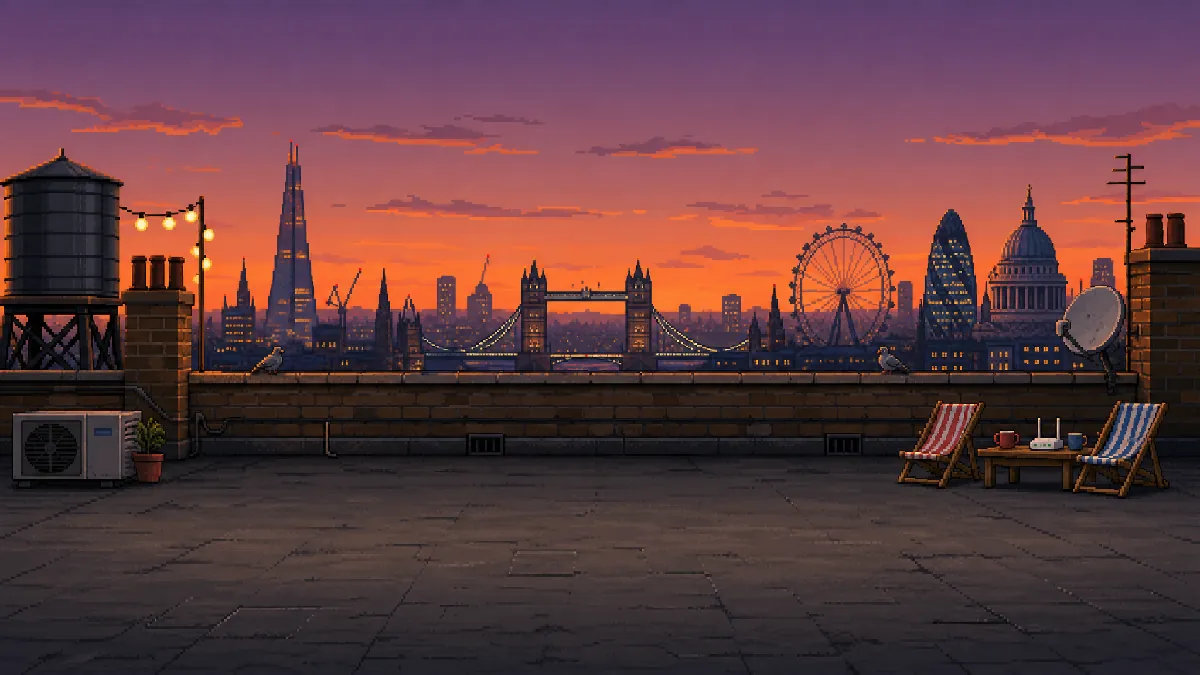
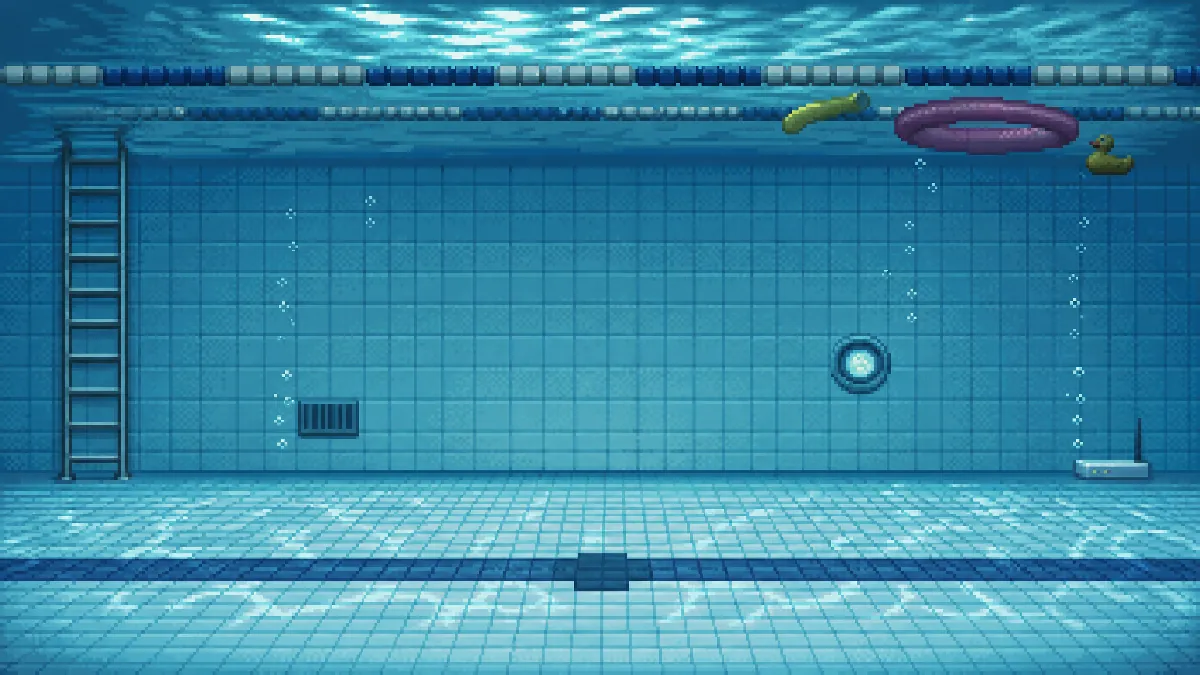
04 · World to stage
Every stage is a location from his world
Same places, new medium: anyone who knows the photo knows the stage. Drag each handle.


04 · Stages
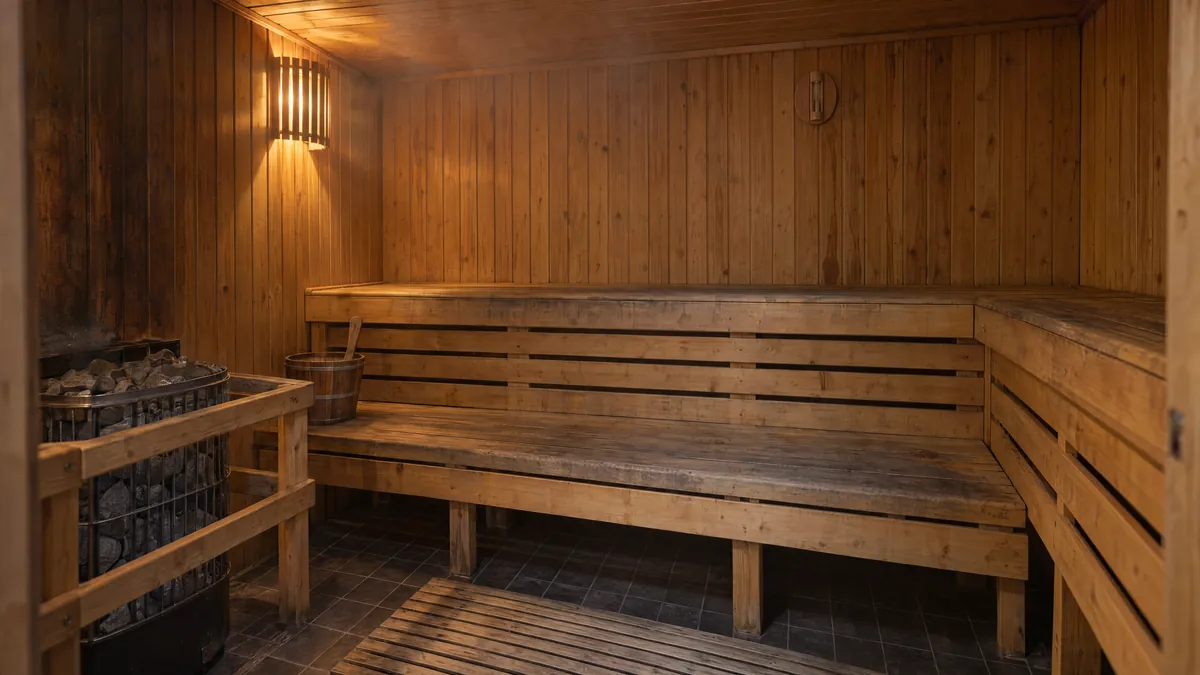
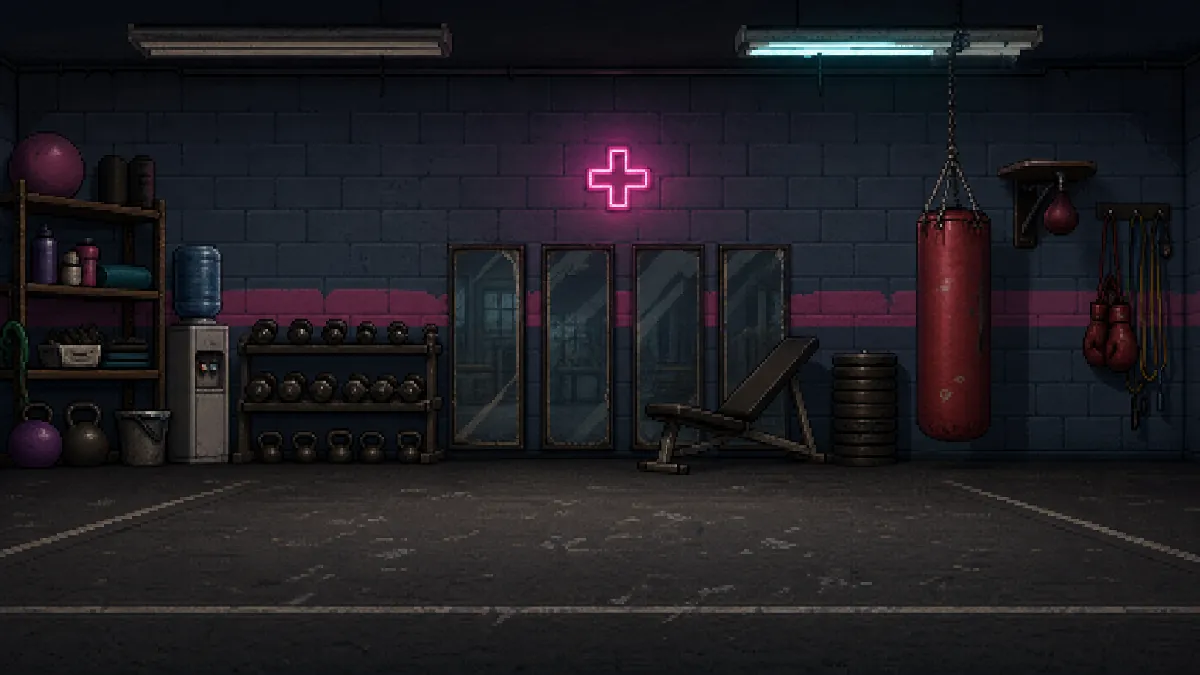
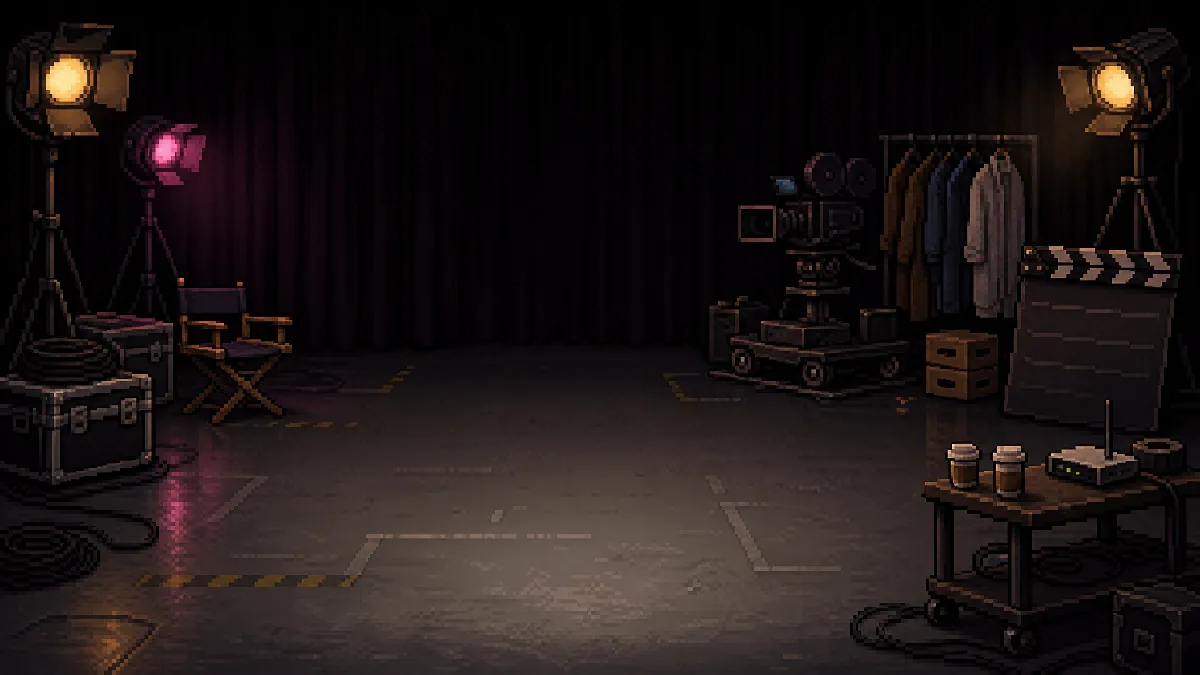
More stages: the sauna, the drive, the city
Pixel-only stages fill in the places outside the house. The studio stage is the menu: lights, flight cases, clapperboards, the shoot that never ends.

04 · The cast
The cast
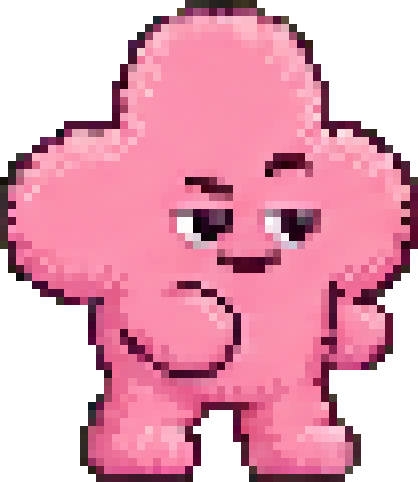
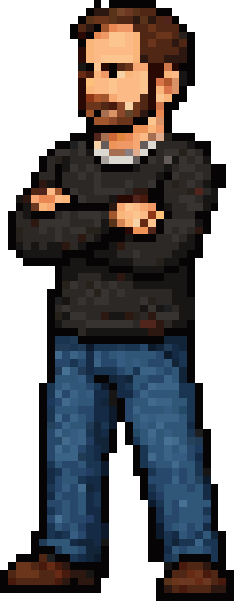
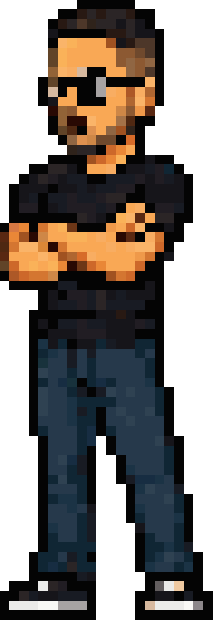
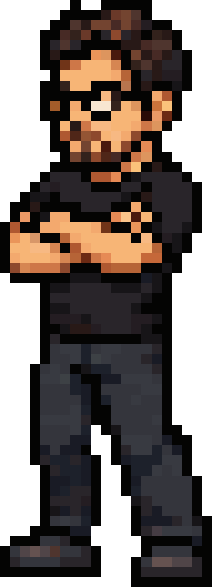
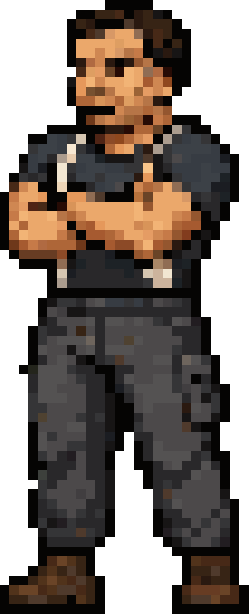
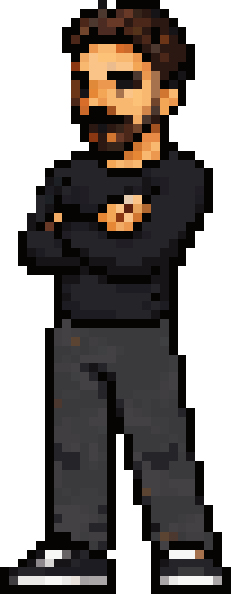
Sixteen fighters, each drawn at their real height, straight from the game’s own numbers: the team between 1.66 and 1.92 m, Plusso at 1.46 m.
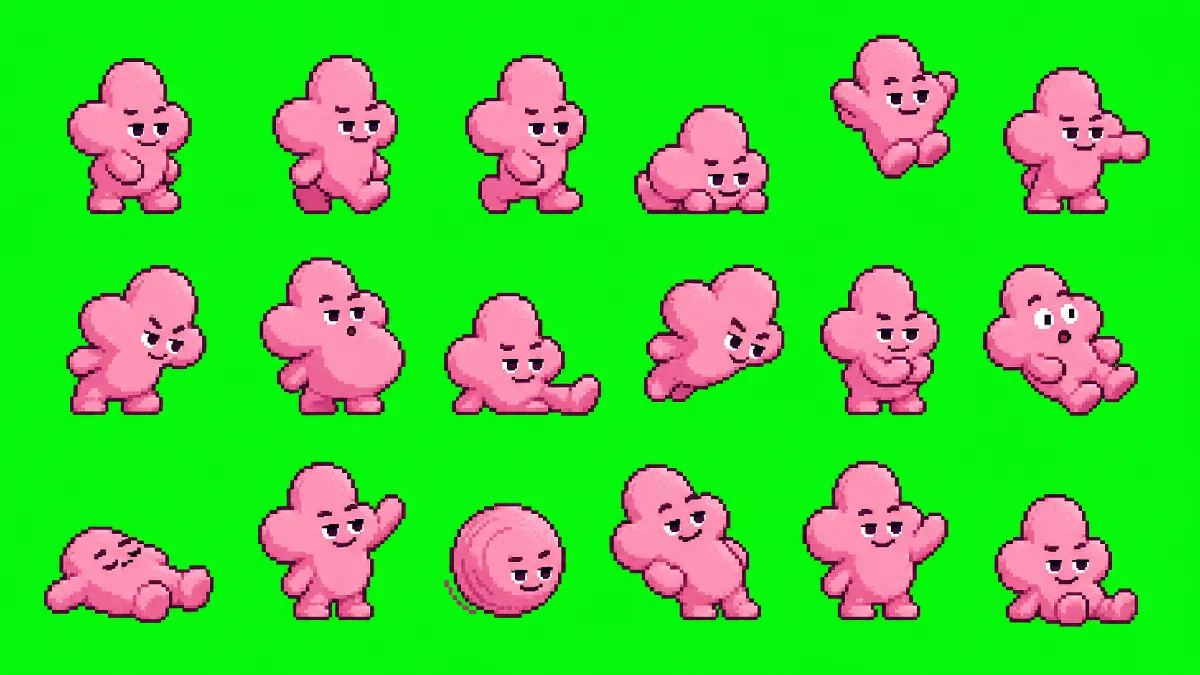
Eleven artists to pick from, four more to unlock by climbing the ladder as Plusso. Sprite sheets: 24 poses each, generated as pixel art, then cut into frames.
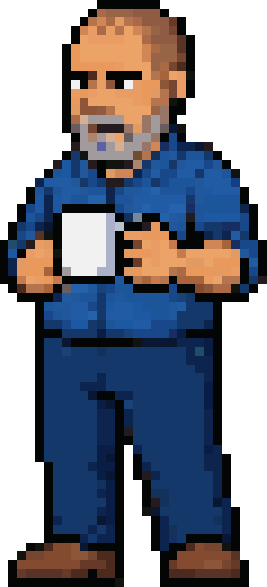
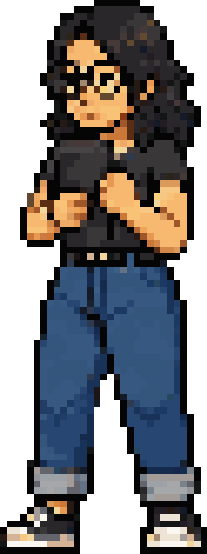
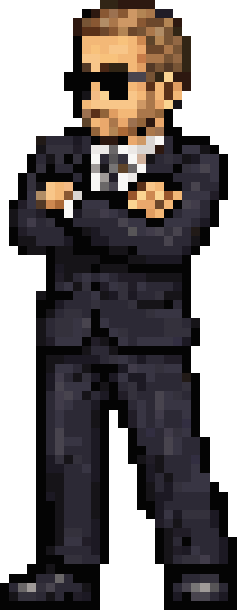
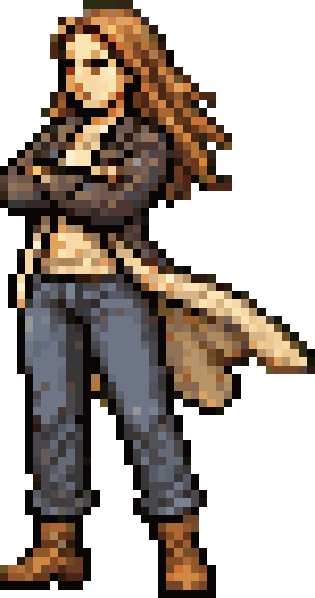

04 · Gameplay
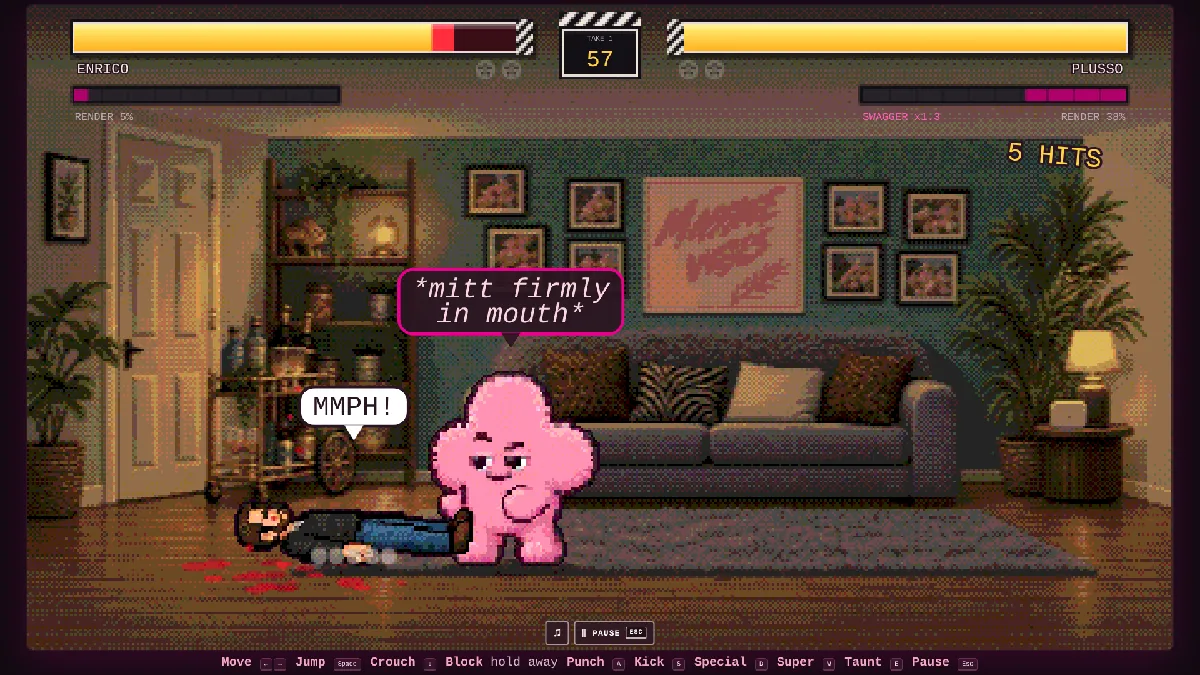
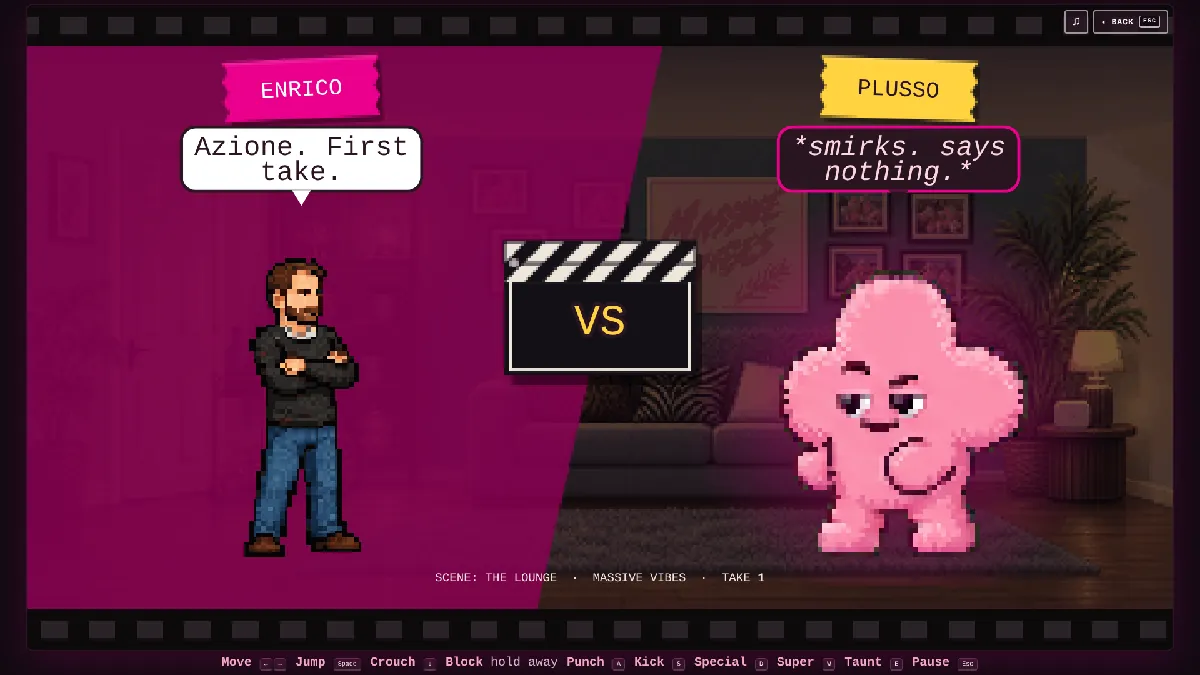
Azione. First take.
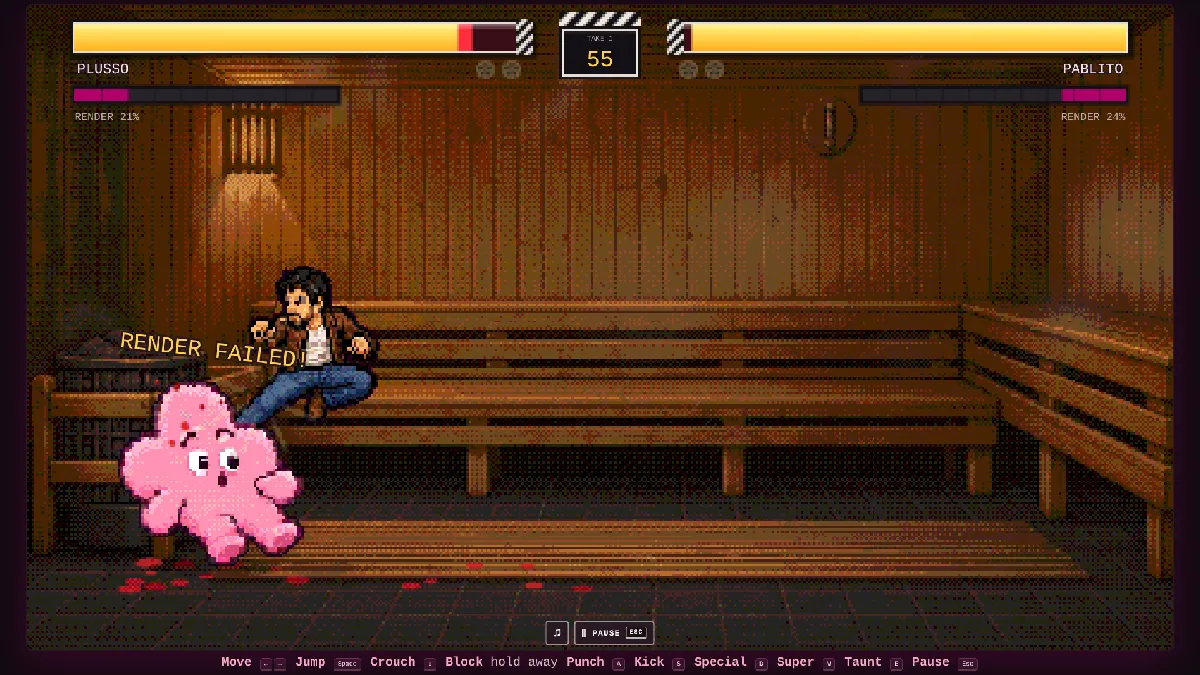
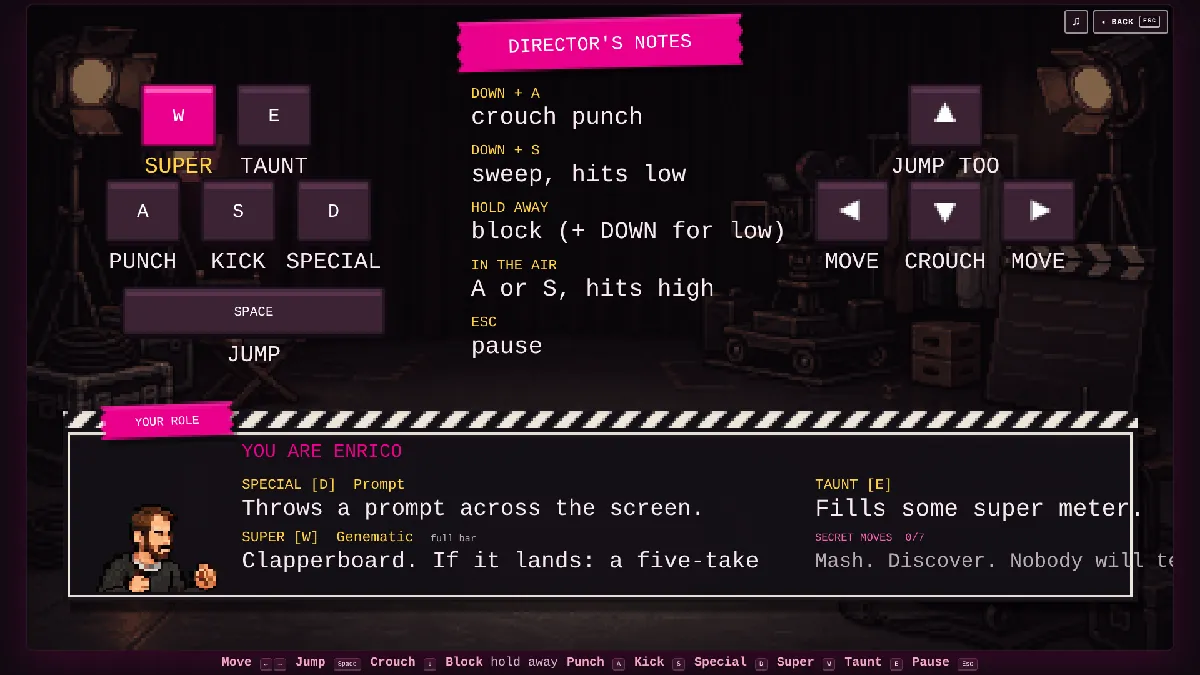
Every fighter’s special comes from their job. Enrico throws a prompt across the screen; his super is the “Genematic” clapperboard. A failed hit reads RENDER FAILED.
Plusso’s reply to everything: *smirks, says nothing*.
04 · How it was built
How it was built
- 1
World
The stages start as the photoreal locations from chapter 03.
- 2
Pixels
Each location re-drawn as 16-bit pixel art from its photo, matched to the fighters’ block size.
- 3
Fighters
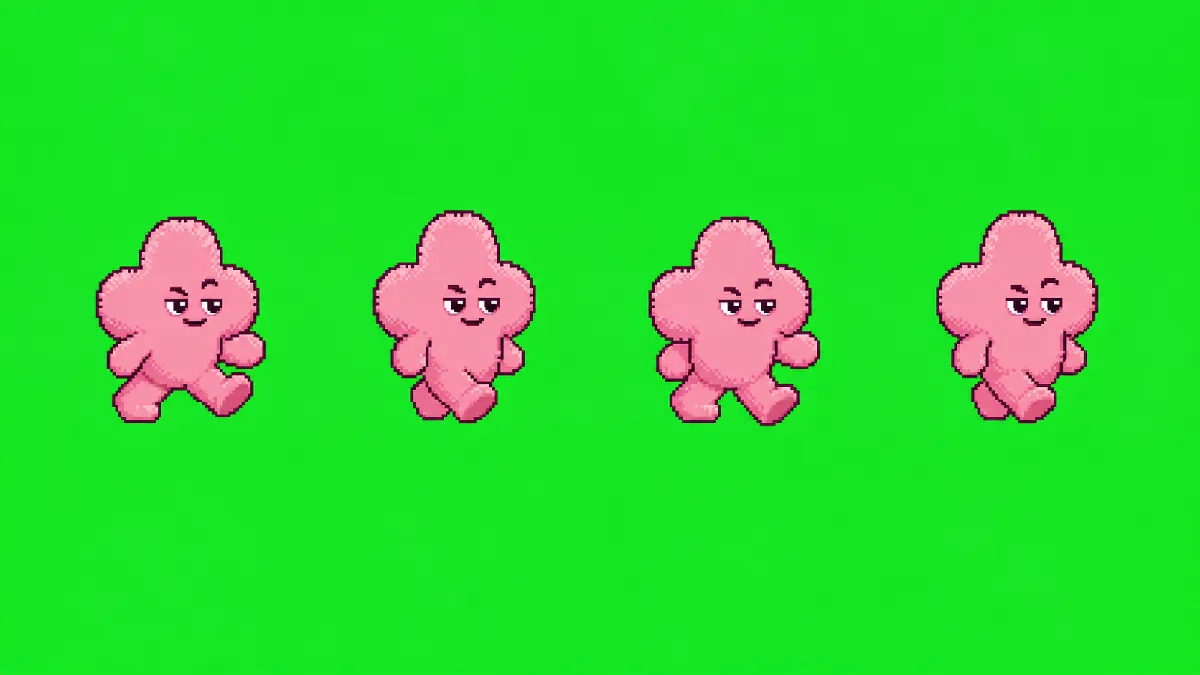
Every fighter generated as one sprite sheet, 24 poses on a grid, on green.
- 4
Frames
Python scripts cut the sheets into frames and pack them into atlases.
- 5
Game
One HTML file: canvas, Web Audio music, keyboard controls. 2.9 MB, runs offline.
04 · Play it
Play it
Three modes, sixteen fighters, fourteen stages.
Arrows move · Space jumps · A punch · S kick · D special · W super · E taunt
Password needed to play. The same password opens the 3D worlds and the private parts of this page · ask me for one
Plusso Fighter needs a keyboard: play it on a desktop.
The kit
What travels with him
Everything above, reduced to what someone else needs to make something with him.
The rules
No neck, he tips, no fingers, the wave, the pupils, the crossbar: what stays fixed, whoever makes the next image.
The reference library
Twelve approved poses that every later image is checked against.
The measurements
The approved turnaround traced pixel by pixel, height = 1, for checking outputs.
The QC checks
Ten rule checks with a fixed verdict format, run on every output.
The locations
The Plus Life: four zones and 19 places, mapped from his front door outwards. Six built so far.
The game
Plusso Fighter: the first thing made with the kit, and still him.
Ideas · not commissions
Where a portable character goes
What becomes possible when people, not the agency, are the ones making things with him.
My own ideas. Not Plusnet’s plans, and not work anyone commissioned.
- Idea 01
Plusso in your own home
Place him in your own room, at his true 146 cm, and frame the shot yourself. The measurements and the house-and-street camera already do this; it only needs to run on a phone.
- Idea 02
A creator kit
The rules, the reference library and the QC checks, given to creators so what they make stays on-model without anyone at the agency checking it.
- Idea 03
Plusso in your game
The sprite sheets and the 3D rig as pieces fans can drop into what they build. Plusso Fighter is the template.
- Idea 04
Your home in the Plus Life
Customers add their own rooms as locations. The map grows from real homes, and he visits them.
Credits
Credits
Character, world and system design
Enrico Poli
Character development, generation system, 3D, world, game
Sketch artist
David Neale
The character drawings
Client
Plusnet
Agencies
The Exchange · Saatchi & Saatchi · MSL · Publicis Groupe · Publicis Production · WPP Media · Edelman · St Marks Studios
The team at Publicis Production
- Executive Creative Director
- Jay Harwood
- Creative Director
- Greg Rattazzi
- Production Manager
- Tim Phillips
- Client Lead
- Amelia Gill
- Project Manager
- Kirsten Howe
- Producer
- Lara Parker
- Designers
- James Goodwin Davies, Conor MacLeay
- Motion Designer
- Bella Cologlu
- Head of Design
- James Crickmore
- AI Artists
- Balazs Domotor, Tamas Olajos, Scott Adamson, Paolo Ferrari, Geraint Smith, Ivan Barretta, Rob Millin, Robert Farkas
Open channel
Let’s build something people step into.
Narrative, worlds and immersive experiences — from concept to prototype. Remote from Italy, or on site.
epoli.uk@gmail.com